



Heating Installation in Willis, TX



Installing a reliable, efficient heating system is about more than comfort on cool nights — it protects your home, lowers operating costs, and extends the life of your HVAC equipment. For homeowners in Willis, TX, where hot, humid summers are followed by mild but sometimes chilly winters, choosing the right heating solution requires a careful balance of efficiency, capacity, and local code compliance.
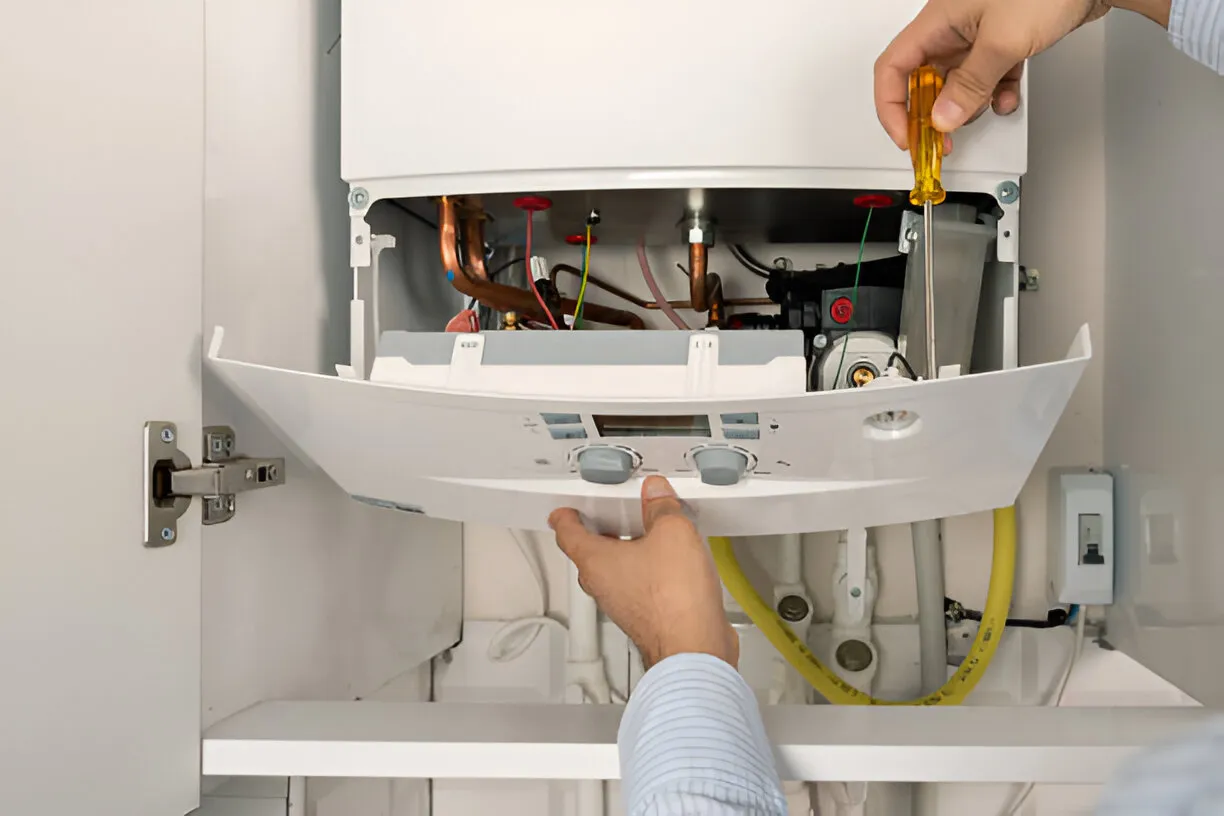
Why professional heating installation matters in Willis, TX
- Willis experiences humid subtropical weather with occasional cold snaps. A properly sized system prevents uneven temperatures and short cycling that waste energy.
- Many area homes have older ductwork or insulation levels that affect heating performance. A professional installation evaluates the whole system, not just the furnace or heat pump.
- Correct installation improves efficiency ratings in real-world use. Poor installs can negate gains from higher-efficiency equipment.
Common heating systems recommended for Willis, TX homes
- Gas furnaces
- Work well in homes with existing natural gas lines.
- Look for high AFUE ratings for better fuel utilization.
- Heat pumps (air-source or ducted mini-split)
- Often the best choice in Willis because they provide efficient heating and cooling year-round.
- Modern heat pumps deliver strong performance even in cooler winter temperatures and can reduce utility bills compared with older electric resistance systems.
- Ductless mini-splits
- Ideal for additions, converted spaces, or homes without ductwork.
- Provide zoning options that lower operating costs by heating only occupied areas.
Initial home assessment and load calculations
A reliable heating installation begins with a thorough on-site assessment:
- Review of the home layout, square footage, ceiling heights, insulation values, window types, and orientation.
- Inspection of existing ductwork, registers, and thermostat locations.
- Manual J load calculation to determine the precise heating capacity required. This avoids oversizing that causes short cycling and undersizing that fails to meet comfort needs.
- Evaluation of ventilation and indoor air quality needs to recommend humidification or filtration upgrades if needed.
System recommendations and energy-efficiency ratings
- Furnaces are rated by AFUE (Annual Fuel Utilization Efficiency). Higher AFUE percentages mean less fuel is wasted.
- Heat pumps are evaluated by SEER for cooling, HSPF for heating performance, and increasingly by integrated seasonal ratings. ENERGY STAR qualified units meet higher performance and efficiency benchmarks.
- Recommendations factor in Willis climate, current utility costs, and the homeowner’s comfort goals. The assessment will compare projected annual operating costs for each option.
Permitting and code compliance in the Willis area
- Installations must comply with Texas state codes and local Montgomery County and Willis municipal requirements. Typical requirements include HVAC permits, electrical permits, and gas permits when applicable.
- Proper venting, combustion air provisions, and safety controls are verified to meet code and manufacturer instructions.
- Permit inspections by local authorities ensure the work meets safety and performance standards.
Step-by-step installation timeline
Preparation
- Finalize equipment selection based on load calculation and homeowner preferences.
- Secure required permits and order equipment.
Site readiness
- Protect floors and furnishings. Confirm access points for equipment and ductwork.
Removal of old equipment
- Safely disconnect and remove existing furnace or heat pump, reclaim refrigerant per EPA guidelines when applicable.
Rough-in and mechanical install
- Install new equipment, mount outdoor units if applicable, set up condensate and drainage, run gas and electrical connections, and modify or replace ductwork as needed.
System integration
- Install controls, thermostats, and any zoning hardware. Tie into existing HVAC components or new ducts.
Work cleanup and permit inspections
- Technicians complete a site clean, and required inspections are scheduled with local authorities.
Final startup and commissioning
- System is started, balanced, and tested across modes.
Post-installation testing and commissioning
- Comprehensive testing ensures correct refrigerant charge, airflow, gas pressure, ignition safety, and electrical connections.
- Thermostat calibration and system balancing deliver even temperature distribution.
- Technicians document performance metrics and present how to operate the new system for optimal efficiency and longevity.
Warranties, maintenance, and financing options
- Manufacturer warranties typically cover parts for a specified period; some systems include longer compressor or heat exchanger warranties. Confirm what is included and any registration requirements.
- Labor warranties cover the installation workmanship for a defined period. Ask for written details on what is covered.
- Extended protection plans and routine maintenance agreements help preserve efficiency and uphold warranty conditions.
- Financing options commonly available include fixed monthly payment plans and deferred payment programs. Many homeowners also explore energy-efficiency rebates and utility incentives that can reduce upfront costs.
How to obtain an accurate estimate
To receive a reliable, apples-to-apples estimate for heating installation in Willis, TX, expect the following process:
- Provide basic home details (square footage, number of levels, existing system type) for an initial review.
- Schedule an on-site assessment so a trained technician can complete a Manual J load calculation and inspect ductwork and electrical/gas access.
- Receive a written proposal comparing recommended systems, estimated equipment performance (AFUE, SEER, HSPF), permit handling, and a clear timeline for installation.
- Proposal will outline warranty coverage, recommended maintenance, and available financing or incentives.
Long-term benefits of a professional installation
A properly designed and installed heating system delivers:
- Consistent comfort during seasonal temperature swings.
- Lower utility bills through correct sizing and high-efficiency equipment.
- Reduced repair needs and longer equipment life.
- Safer operation with code-compliant gas and electrical work.
Maintenance Plan
Heat Pump/ AC Tune-Up

Furnace Tune-Up
Customer Testimonials