



Heating Installation in Winter Springs, FL



Replacing or installing a heating system in Winter Springs, FL is about comfort, efficiency, and doing the job right the first time. While winters here are milder than northern climates, homeowners still need reliable, efficient heating during cool, damp nights and the occasional cold snap. A professional heating installation addresses sizing, energy efficiency, local code compliance, and long-term serviceability so your home stays comfortable without unexpected costs or performance problems.
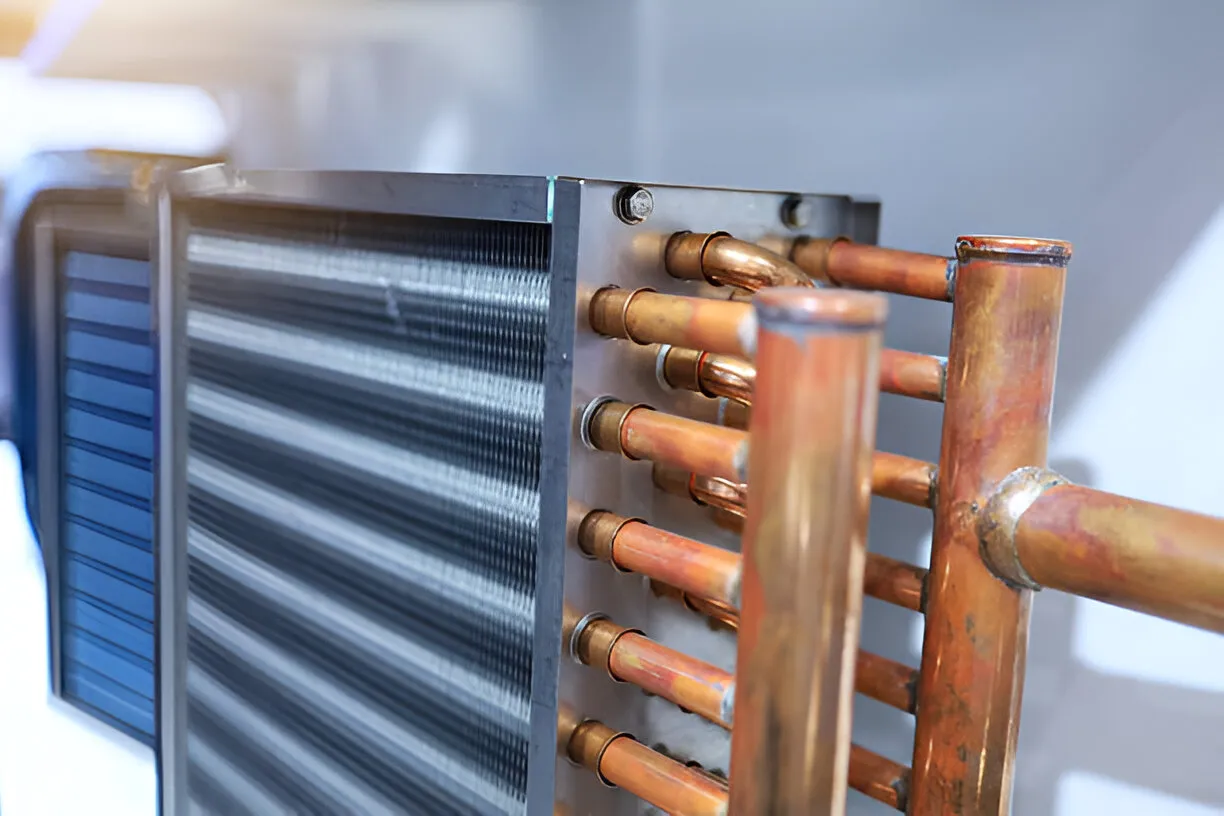
Common heating installation types and why they matter in Winter Springs
- Heat pump installation: The most common choice in Central Florida due to efficient heating and cooling in mild climates. High HSPF and SEER ratings deliver lower utility bills and consistent comfort.
- Furnace installation (gas or electric backup): Less common locally but sometimes used in homes converting from other systems or where ductwork and fuel supply make a furnace practical.
- Ductless mini-split heating installation: Ideal for room additions, garages, or homes without existing ducts. Offers zoned control and high efficiency.
- Hybrid systems: Combine a heat pump with a gas furnace for backup during rare, colder spells.
Choosing the right system for Winter Springs homes depends on humidity control, cooling needs, and the fact that heating loads are generally lower. This often makes a properly sized heat pump the most cost-effective solution.
Pre-install assessment and load calculations
A professional installation begins with a thorough home assessment:
- Review of existing ductwork, insulation, and attic ventilation.
- Measurement of window areas, orientation, and shading that affect heat loss and gain.
- A full Manual J load calculation to determine the correct heating capacity in BTU/hr. Undersized systems run constantly; oversized systems short-cycle and waste energy.
- When ducts are present, a Manual D duct design review checks for correct sizing and layout to ensure balanced airflow.
These steps prevent common installation mistakes like incorrect sizing, inadequate airflow, or improper equipment placement that lead to discomfort and higher operating costs.
Choosing the right furnace or heat pump model
Key considerations when selecting equipment:
- Efficiency ratings: Look for high HSPF for heat pumps and high AFUE for furnaces. In Winter Springs, higher-efficiency heat pumps reduce both heating and cooling bills.
- Capacity matched to load: Right-sizing to Manual J results.
- Variable-speed or multi-stage compressors and blowers: Improve humidity control and comfort in Florida’s climate.
- Compatibility with existing ducts and thermostats: Ensures balanced airflow and proper control, including smart thermostat integration.
Technicians will present model options that meet your home’s load, budget constraints, and long-term performance goals without overselling unnecessary capacity.
Energy-efficiency considerations for Winter Springs
Because Winter Springs experiences both cooling and occasional heating needs, prioritize systems that provide:
- High SEER for cooling and high HSPF for heating.
- Zoned controls or ductless solutions for rooms with different usage patterns.
- Proper refrigerant charge and airflow tuning at startup to realize rated efficiencies.High-efficiency systems can also qualify for manufacturer warranty terms and possible utility or federal incentives for heat pumps.
Permitting and code compliance
Installations must comply with the Florida Building Code and local Winter Springs or Seminole County permitting rules. The process typically includes:
- Submitting HVAC permit applications and equipment specifications.
- Inspections for mechanical work, duct runs, and final system operation.
- Ensuring combustion safety and ventilation for any gas equipment.
Proper permitting protects homeowners, ensures code compliance, and avoids costly rework during inspections.
Professional installation steps
A comprehensive installation follows a consistent, proven process:
- Site preparation and protection of floors and furnishings.
- Removal and proper disposal of old equipment and materials.
- Duct sealing or modification if required, including install of line-sets and condensate drainage for heat pumps.
- Equipment set, leveling, and secure mounting of indoor and outdoor units.
- Electrical hookup, safety interlocks, and thermostat wiring.
- Refrigerant charging to manufacturer specifications and pressure testing.
- For gas furnaces: gas connection, leak testing, and combustion safety checks.
Technicians use calibrated tools and documented procedures to meet manufacturer and code requirements.
Start-up and performance testing
After installation, a full start-up verifies system performance:
- Measure airflow (CFM) and temperature split (delta T) to confirm proper airflow and heat transfer.
- Check refrigerant pressures, superheat, and subcooling for heat pumps.
- Measure electrical load and amp draw on motors and compressors.
- For gas systems, test gas pressure, burner operation, and carbon monoxide levels.
- Calibrate thermostat and confirm system cycles properly across modes.
This testing ensures the system runs safely and efficiently from day one.
Warranty and financing options
Understanding warranty coverage matters:
- Manufacturer warranty: Covers the compressor, heat exchanger, or major components under stated terms.
- Labor warranty: Covers installation workmanship; length varies by installer.
- Extended warranties and transferable options: May be available for added long-term protection.
Financing is often available through third-party lenders or manufacturer programs to spread the cost of high-efficiency upgrades. High-efficiency heat pumps may also be eligible for local utility rebates or federal incentives depending on current programs.
Post-installation support and maintenance
Ongoing care preserves comfort and efficiency:
- Annual tune-ups, including refrigerant and airflow checks, electrical inspections, and filter replacement, keep warranties valid and systems efficient. A 21-point tune-up or similar maintenance plan reduces the risk of breakdowns.
- Seasonal checks for drainage, insulation, and thermostat scheduling adapt the system to changing weather patterns.
- Prompt service support for any performance issues and clear documentation of the installation and maintenance history.
Regular maintenance in Winter Springs protects performance through humid summers and cooler winters.
Maintenance Plan
Heat Pump/ AC Tune-Up

Furnace Tune-Up
Customer Testimonials