


Heating Repair in Lake Nona, FL



Winter in Lake Nona may be mild compared with northern climates, but when a heater or heat pump fails on a cool night it still disrupts comfort and can create safety concerns. Expert heating repair in Lake Nona, FL focuses on fast diagnostics, safe repairs, and clear guidance on whether a repair or replacement is the most responsible choice for your home.
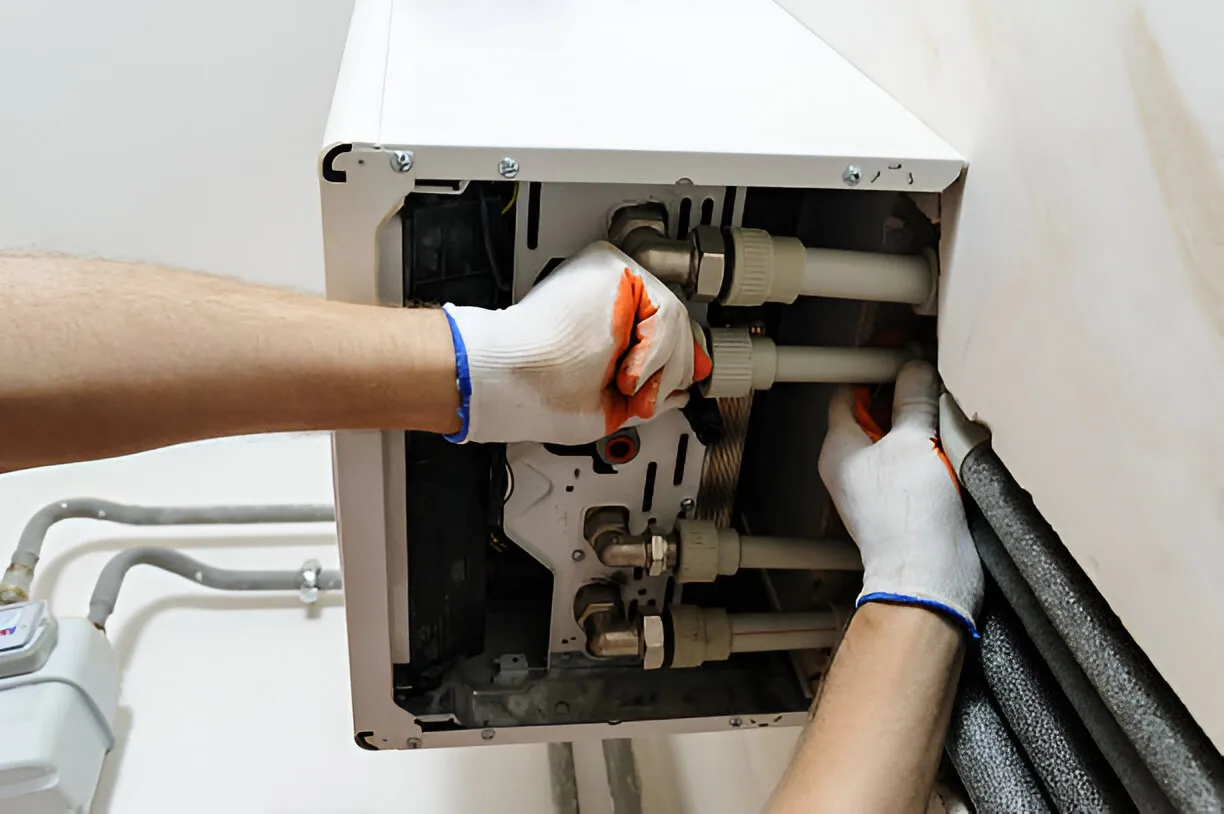
Common heating system problems in Lake Nona homes
Florida homes rely heavily on heat pumps and electric heating, with some properties using gas furnaces. Local factors like high humidity, coastal salt air, and frequent landscaping can accelerate wear or create specific failure modes.
- No heat at all — often a thermostat issue, power interruption, or failed compressor/ignition component.
- Intermittent heating or short cycling — frequently caused by a clogged filter, restricted airflow, faulty thermostat, or failing control board.
- Weak airflow or warm-but-not-hot air — blower motor problems, duct restrictions, or refrigerant issues on heat pumps.
- Heat pump-specific faults — failure to switch to heat mode, stuck reversing valve, defrost cycle problems, or refrigerant leaks.
- Ignition and pilot problems (gas furnaces) — failed ignitor, pilot outage, or gas valve malfunction.
- Strange noises or odors — motor bearings, loose panels, or electrical arcing; persistent gas smell requires immediate evacuation and emergency services.
- Corrosion and electrical failures — humidity and salt air can corrode connections and terminals, causing intermittent or total failure.
- Sensor and control failures — faulty limit switches, sensors, or thermostats leading to unsafe operation.
Diagnostic process — what to expect
A thorough diagnostic identifies root causes so you get a targeted, cost-effective repair rather than trial-and-error fixes. Typical diagnostic steps include:
- Visual inspection of indoor and outdoor units for damage, corrosion, or leaks.
- Thermostat calibration and system control checks.
- Airflow measurement and filter inspection to rule out simple obstructions.
- Electrical testing of motors, capacitors, relays, and safety switches.
- For heat pumps, refrigerant pressure checks and defrost cycle evaluation.
- For gas furnaces, inspection of the heat exchanger, ignition system, and safety controls.
- Clear explanation of findings and an itemized repair recommendation with estimated labor and parts time.
Diagnostics usually take 30 to 90 minutes depending on system complexity. In Lake Nona, many technicians keep common replacement parts stocked to reduce repair time.
Emergency and same-day repair options
Unexpected failures during a cold snap or power disruption require rapid response. Emergency repair options for Lake Nona properties typically include:
- Priority scheduling for no-heat conditions or suspected gas/CO safety issues.
- On-site emergency diagnostics and temporary fixes to restore heat while ordering parts.
- Same-day replacement of common components like capacitors, contactors, ignitors, and thermostats when stocked locally.
- Safety checks for carbon monoxide risks and secure shutoff procedures for gas systems.
When a system poses a safety hazard (smell of gas, sparking, or suspected CO), evacuate the home and contact emergency services. Repairs should only be performed after the situation is secured.
Parts replacement policies and warranty handling
Repair policies often distinguish between minor component repairs and major component replacement:
- OEM vs aftermarket parts: OEM parts are recommended for compatibility and longer life, while high-quality aftermarket parts may be used when appropriate.
- Parts and labor warranties: Typical repair jobs carry limited warranties on parts and labor; manufacturer warranties remain in effect for newer equipment.
- Warranty claims: Technicians document failures and provide the necessary paperwork for manufacturer warranty claims when applicable.
- Lead times: In the Orlando/Lake Nona area many common parts are available same-day or next-day from regional distributors; uncommon or discontinued parts (older R22-era systems) may take longer.
Technician qualifications and safety standards
Qualified technicians should have proven training and certifications to handle heating systems safely and effectively:
- HVAC certification and training for heat pumps, furnaces, and electric heating systems.
- EPA certification for refrigerant handling on heat pumps.
- Appropriate state or local licensing for HVAC work in Florida.
- Training on combustion safety, heat exchanger inspection, electrical diagnostics, and manufacturer repair protocols.
- Use of calibrated diagnostic equipment and adherence to safety procedures.
Technicians should explain findings in plain language and show the failed components when practical.
Estimated response and repair times
- Initial diagnostic visit: 30 to 90 minutes on site.
- Minor repairs (filters, thermostats, capacitors, ignitors): typically 30 minutes to 2 hours.
- Component replacements (blower motor, reversing valve, control board): 2 to 6 hours, depending on parts access and configuration.
- Major replacements (compressor, heat exchanger, full system replacement): may require 1 to 2 days and scheduling for permits or crane access when necessary.
Local inventory and distributor proximity in the Orlando area often allow faster turnaround than rural regions.
When to repair versus when to replace
Consider these factors when deciding between repairing a failing heater and replacing the system:
- Age of equipment: systems older than 12 to 15 years are often less efficient and more prone to repeated failures.
- Frequency and cost of repairs: if a single repair approaches half the cost of a replacement or you have had multiple repairs in a short period, replacement is usually more economical long term.
- Efficiency and operating cost: newer heat pumps offer better HSPF ratings and can reduce winter electric bills.
- Safety concerns: cracked heat exchangers or repeated ignition problems warrant replacement for safety reasons.
- Refrigerant availability: older systems using R22 may be costly to service due to limited refrigerant supply.
- Home comfort goals and expected occupancy: if you plan to stay in the home long term, investing in a higher-efficiency replacement may be justified.
Routine maintenance to reduce future repairs
Preventive maintenance is the most effective way to minimize unexpected heating repairs:
- Schedule an annual heating tune-up before the cooler months to verify safe operation.
- Replace or clean filters regularly; many Florida homes benefit from monthly checks during high-use periods.
- Keep the outdoor unit clear of debris, mulch, and landscaping growth to ensure proper airflow and reduce corrosion risk.
- Check and calibrate thermostats; consider programmable or smart thermostats for better temperature control.
- Inspect ducts and insulation for leaks that force the system to work harder.
Regular maintenance improves reliability, extends equipment life, and protects warranties.
Maintenance Plan
Heat Pump/ AC Tune-Up

Furnace Tune-Up
Customer Testimonials