



Heating Repair in Orange County, FL



Even though Florida winters are short, reliable heating is important for overnight comfort, energy efficiency, and protecting vulnerable pipes and HVAC components during cold snaps. In Orange County, many homes use heat pumps, gas furnaces, or ductless systems that are optimized for mild climates. When a system fails or runs inefficiently, homeowners notice higher utility bills, uneven temperatures, or repeated short cycling. Timely heating repair resolves immediate discomfort and reduces the risk of more expensive failures later.
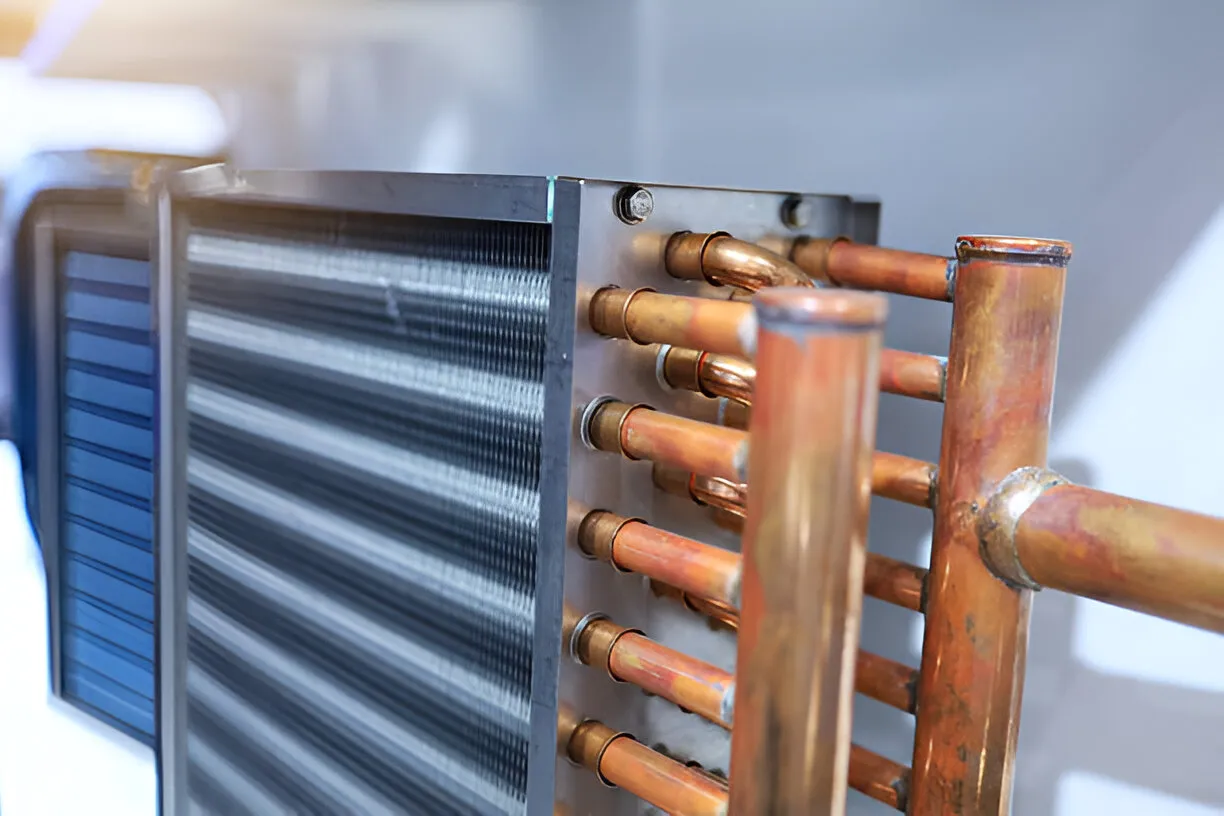
Common heating system failures and symptoms in Orange County
Heating problems in local homes tend to follow predictable patterns given the regional climate and equipment mix. Common issues include:
- No heat or reduced heat output: system runs but delivers little warm air; often caused by airflow restrictions, failed burners, or heat-pump defrost issues.
- Short cycling: frequent on/off cycles that raise energy use and wear; usually from a dirty filter, incorrect thermostat settings, or a failing control board.
- Uneven temperatures or cold rooms: blocked vents, duct leaks, closed dampers, or failing zone controls.
- Heat pump-specific faults: failure to switch to heating mode, noisy reversing valve, low refrigerant, or frozen outdoor coils during defrost failure.
- Strange noises or odors: rattles, grinding, or a burning smell can indicate failing motors, bearings, or electrical problems.
- Pilot, ignition, or flame issues (gas systems): repeated pilot outages, intermittent ignition, or yellow flames signal ignition, gas valve, or combustion problems.
- Safety concerns: carbon monoxide detection, gas odors, or electrical burning smell require immediate attention.
Diagnostic and troubleshooting process
A methodical diagnostic approach identifies the root cause rather than applying temporary fixes. Typical steps include:
- Safety and power checks: confirm thermostat settings, breakers, switches, and safety devices are operational.
- Visual inspection: check filters, vents, condensate drains, outdoor units, and overall system condition.
- Thermostat and control verification: verify settings, wiring, and temperature calibration.
- Airflow and duct assessment: measure return and supply airflow, inspect for leaks or blockages, and check fan operation.
- Electrical testing: test capacitors, contactors, relays, and control boards for faults.
- Combustion and gas checks (for furnaces): inspect igniter, thermocouple, gas valve, and flame quality; perform carbon monoxide risk assessment when appropriate.
- Refrigerant and heat-pump checks: check pressures, look for leaks, inspect defrost controls and reversing valve operation.Diagnostics often include routine measurements and observations to produce a clear repair plan and parts list.
Emergency and same-day repair options in Orange County
Emergency heating repairs focus on safety and restoring minimum heat quickly. Typical emergency scenarios include loss of heat during cold nights, suspected gas leaks, or carbon monoxide alarms. Same-day service usually addresses:
- Restoring heat by replacing a failed motor, ignition component, or control board if parts are on hand.
- Temporary fixes to maintain safe operation until full repairs can be completed.
- Priority troubleshooting for systems serving vulnerable occupants or when the system poses a safety risk.Because many Orange County homes rely on heat pumps, technicians often stock common heat-pump and furnace parts to shorten downtime.
Typical parts replaced during heating repair
Common replacement parts that restore function and reliability include:
- Filters and air cleaner media
- Igniters, thermocouples, and flame sensors (gas furnaces)
- Capacitors, contactors, and control relays
- Blower motors and fan belts
- Heat strips or auxiliary electric heaters (in heat pumps)
- Reversing valves, compressors, and refrigerant components (heat pumps)
- Thermostats and zone control components
- Control boards and safety switchesTechnicians prioritize OEM-compatible parts and often recommend replacements that match the system age and expected life span.
Warranty and manufacturer coordination
When systems are under manufacturer warranty or extended service contracts, proper documentation and coordination can protect coverage. Best practices include:
- Verifying model and serial numbers and registration status before authorizing repairs.
- Determining whether a repair requires manufacturer-approved parts or an authorized service provider.
- Documenting all diagnostic findings and repair steps for warranty claims.
- Advising homeowners on transferability of warranties when systems change ownership.For older systems out of warranty, technicians typically provide a clear explanation of repair options versus replacement considerations.
Estimated timelines and what to expect
Timelines vary with the problem and parts availability:
- Basic diagnostics: 30 to 90 minutes to identify most issues.
- Minor repairs and parts swap: often completed the same day when parts are stocked.
- Complex repairs or major component replacement: may require 1 to 3 days depending on part lead times.
- Compressor or custom-ordered parts: can extend repairs to several days if backordered.Technicians usually prioritize safety issues first and communicate estimated timelines for parts and labor so homeowners know what to expect.
Homeowner tips to prevent repeat issues
Routine care reduces emergency repairs and prolongs system life:
- Change or clean filters monthly to quarterly depending on use and pets.
- Schedule annual tune-ups for heating and cooling seasons to catch problems early.
- Keep outdoor units clear of debris, plants, and mulch to maintain airflow.
- Ensure vents and returns are unobstructed and balanced across rooms.
- Monitor thermostat settings and use setback schedules appropriate for mild Florida winters.
- Watch for early warning signs: unusual noises, odors, or rising energy use and address them promptly.These steps are especially relevant in Orange County where high humidity and occasional storms can stress components.
Why timely heating repair benefits Orange County homeowners
Prompt repairs restore comfort, reduce energy waste, and protect equipment investment. In Orange County homes, seasonal transitions and occasional cold snaps mean heating systems must be ready when needed. Addressing problems early prevents secondary damage like frozen condensate lines, cracked heat exchangers, or compressor failures that lead to costly replacements.
Maintenance Plan
Heat Pump/ AC Tune-Up

Furnace Tune-Up
Customer Testimonials