



Heating Repair in Willis, TX



When your home’s heating fails in Willis, TX, you need fast, reliable repairs that restore comfort and safety. Winters in Montgomery County are usually mild, but occasional cold snaps and high humidity can strain furnaces and heat pumps that also handle cooling duties. Whether your system is a gas furnace, electric heat pump, or ductless heat solution, understanding common faults, diagnostic steps, and typical repairs helps you make confident decisions when service is needed.
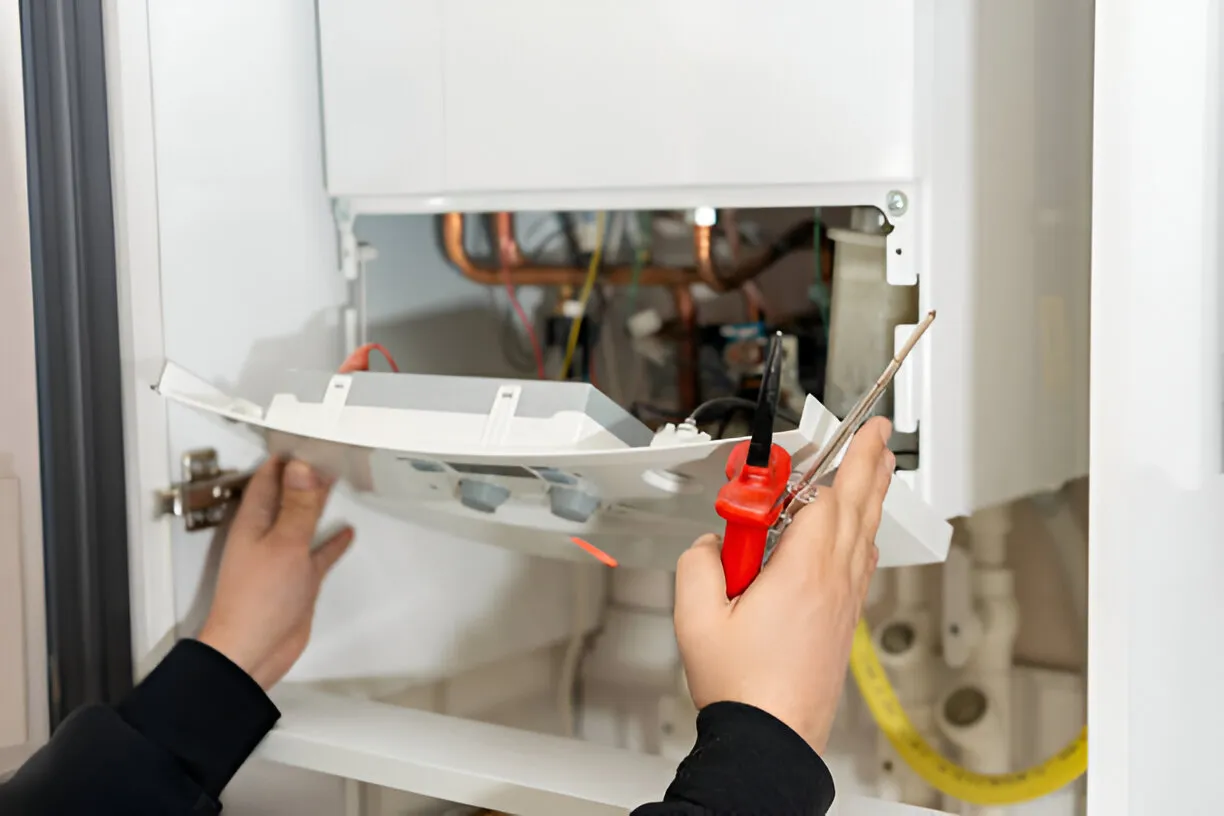
Common heating repair issues in Willis, TX
Homeowners in Willis most often call for:
- No heat or intermittent heat - system powers but does not produce warm air.
- Ignition and pilot problems - failed pilot light or electronic ignition on gas furnaces.
- Blower motor failure or weak airflow - reduced circulation due to motor, capacitor, or clogged filters.
- Thermostat faults - incorrect settings, wiring issues, or failed controls.
- Frequent short-cycling - system turns on and off too often, reducing efficiency and life span.
- Gas valve or safety control failures - safety mechanisms that shut down combustion.
- Heat pump-specific issues - loss of heating mode, frozen outdoor coil, or reversing valve problems.
- Unusual noises or smells - rattles, grinding, or the odor of gas or burning components (safety concern).
- Carbon monoxide concerns - especially with older furnaces or blocked vents.
How we diagnose heating problems
A structured diagnostic approach protects safety and pinpoints the root cause:
- Visual and safety inspection: check vents, flue, filters, and look for signs of leaks or corrosion.
- Combustion and gas safety checks: inspect burners, pilot/ignition system, and gas valve operation; test for safe combustion and proper venting.
- Electrical and control checks: verify thermostat function, wiring, control board codes, capacitors, and motor operation.
- Airflow assessment: measure blower performance, duct condition, and filter status to rule out restriction-related problems.
- Heat pump-specific testing: measure refrigerant pressures, inspect reversing valve and defrost cycle, and ensure outdoor unit clearance.
- Diagnostic code review: read and interpret control board error codes when present.In emergency or after-hours situations, initial triage focuses on safety (shutting down unsafe equipment) and temporary measures to restore heat while scheduling complete repairs.
Typical repair procedures explained
Repair work depends on the diagnosed fault. Common procedures include:
- Ignition and pilot repair: clean or replace the pilot assembly or electronic ignitor, check flame sensor, and verify safe ignition sequence.
- Blower motor and capacitor replacement: replace motors, bearings, or capacitors that cause weak airflow or unusual noise.
- Thermostat repair or replacement: recalibrate, repair wiring, or install a compatible thermostat; verify proper control signals.
- Gas valve and safety control service: repair or replace valves and safety interlocks; verify leak-free connections and proper operation.
- Heat pump repairs: address refrigerant leaks, replace defrost sensors, repair reversing valves, and clean outdoor coils for efficient heating.
- Control board and relay repairs: replace failed boards or relays that prevent system operation.Each repair includes testing the full system after work is complete to confirm reliable operation and safety.
Parts replacement and warranty information
Common parts replaced during heating repairs include ignition assemblies, thermostats, blower motors, capacitors, gas valves, control boards, and heat pump components. Parts may carry manufacturer warranties while workmanship is typically covered by a separate service warranty. Warranty terms vary by manufacturer and service provider, so confirm what is covered and for how long before work begins. Retaining documentation for parts and service helps with future warranty claims.
Emergency and after-hours response in Willis
When heating stops on a cold night, safety and speed matter. Emergency response typically prioritizes:
- A rapid safety triage to identify immediate hazards (gas leaks, carbon monoxide, electrical faults).
- Temporary fixes to restore heat where safe, such as resetting controls, replacing a failed capacitor, or jump-starting a blower.
- Scheduling full repairs or parts replacement as soon as parts and labor are available.Response times vary by workload and distance, but same-day service or within a few hours is common for urgent, safety-related situations. During widespread cold snaps, response windows may extend due to higher demand.
Service costs and what affects pricing expectations
While exact costs depend on the specific fault and parts required, common factors that influence repair pricing include:
- Type and age of equipment (heat pump vs gas furnace, newer vs older units).
- Complexity of the repair (electrical control replacement vs simple component swap).
- Part costs and availability (OEM parts typically cost more than aftermarket alternatives).
- Time and labor required, including diagnostic time and accessibility of equipment.
- Emergency or after-hours service needs.For accurate expectations, professional diagnosis is essential. A written estimate following inspection will outline parts, labor, and any warranty coverage.
Preventive maintenance tips for Willis homes
Regular upkeep reduces breakdown risk, improves efficiency, and extends equipment life:
- Schedule annual tune-ups before the heating season; include combustion testing for gas systems and refrigerant checks for heat pumps.
- Replace or clean filters every 1 to 3 months depending on use and filter type.
- Keep outdoor units clear of debris, vegetation, and insulation that can trap moisture and freeze.
- Insulate and seal ducts to preserve airflow and reduce short cycling.
- Install and test carbon monoxide detectors near sleeping areas if you have gas appliances.
- Use thermostat scheduling to prevent unnecessary cycles and reduce wear on the system.
- Address odd noises, odors, or performance changes early to avoid larger failures.
Why timely heating repair matters in Willis, TX
Prompt repairs protect your family’s comfort and safety, reduce heating costs by restoring efficiency, and prevent small issues from becoming major replacements. In Willis homes where systems often work year-round for both heating and cooling, maintaining reliable operation also preserves indoor air quality and prevents disruption during seasonal transitions.
Maintenance Plan
Heat Pump/ AC Tune-Up

Furnace Tune-Up
Customer Testimonials