



Heating Repair in Winter Park, FL



When your home’s heating system underperforms, you need clear answers and fast, reliable service. Heating Repair in Winter Park, FL focuses on diagnosing and fixing furnaces, heat pumps, ductless systems, and related components common to Central Florida homes. Winters here are mild but humid, and even short cold snaps or nights in the 40s can make heating failures urgent.
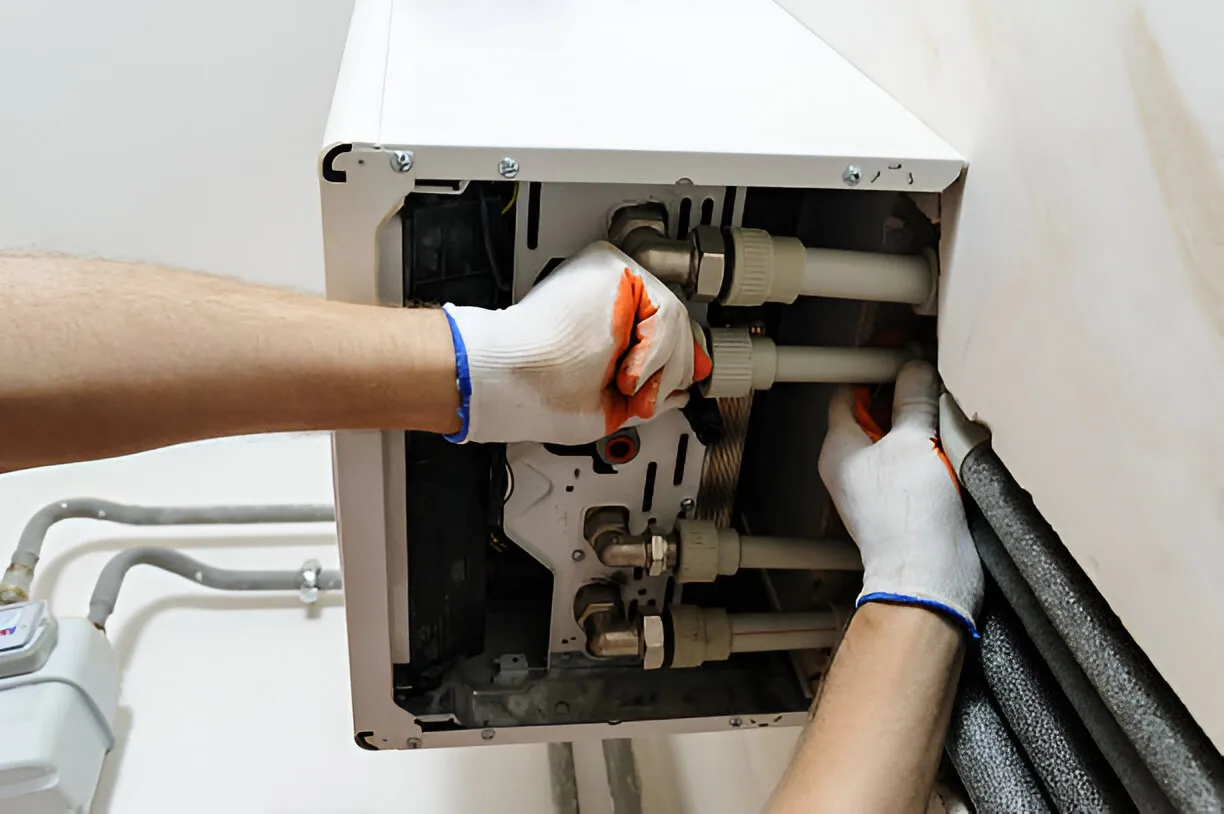
Why timely heating repair matters in Winter Park homes
Even though Winter Park rarely sees prolonged subfreezing weather, inadequate heating affects comfort, indoor air quality, and energy bills. Heat pumps are the most common heating source in local homes; when they lose capacity, homes get noticeably chilly and systems can work inefficiently. Addressing issues quickly prevents secondary damage like frozen condensate lines, frozen coils during rare cold snaps, or premature compressor failure.
Common heating system failures in Winter Park
- Heat pump short-cycling or weak heating output (often caused by low refrigerant, failed reversing valve, or compressor issues)
- Defrost cycle failures that leave outdoor coils iced over during cold, damp nights
- Thermostat malfunctions or communication errors with smart thermostats
- Blower motor failures, noisy bearings, or bad capacitors reducing airflow
- Ignition failures, flame sensor problems, or cracked heat exchanger in gas furnaces (more common in older systems)
- Clogged filters, restricted ductwork, or blocked vents that reduce airflow and efficiency
- Refrigerant leaks and loss of charge in older systems
- Electrical issues: tripped breakers, failing relays, or unsafe wiring connections
Diagnostic procedures: what a thorough heating repair inspection includes
A reliable diagnosis starts with a systematic inspection to find root causes rather than temporary fixes. Typical diagnostic steps:
- Confirm symptoms with the homeowner and check thermostat settings and schedules
- Visual inspection of outdoor and indoor units for obvious damage, ice, or leaks
- Airflow check at registers and blower performance testing
- Electrical testing: voltage, amperage, capacitor health, and control board checks
- For heat pumps: verify refrigerant charge, check reversing valve operation, and evaluate defrost cycle
- For gas furnaces: inspect burners, ignition system, flame sensor, and test for combustion safety if needed
- Scan for error codes from control modules and check ductwork and filters
- Provide a clear written diagnosis and estimated options for repair or replacement
On-site repair workflow
A professional on-site repair follows an efficient, safety-first process:
- Arrival and safety lockout: isolate power and gas (if applicable) before work begins
- Confirm diagnosis and explain the findings in plain language to the homeowner
- Obtain agreement on the repair scope and parts needed; document the work plan
- Replace or repair components using OEM or OEM-equivalent parts where appropriate
- Calibrate controls and thermostats, test system under load, and measure performance improvements
- Check for secondary issues that could cause repeat failures (blocked drains, sagging duct seams, loose wiring)
- Clean up the work area and provide a summary of repairs performed and suggested next steps
Estimated response times for emergency heating repairs in Winter Park, FL
Winter Park’s mild climate reduces the frequency of widespread heating emergencies, but urgent failures still occur during cold nights. Typical response expectations:
- Emergency or high-priority calls during off-hours or cold snaps: estimated response within 1 to 4 hours depending on availability and location in Winter Park
- Same-day non-emergency repairs: often scheduled within 4 to 12 hours during business hours
- Standard appointments for diagnostics and non-urgent service: usually within 24 to 48 hours
These are typical industry timelines; actual response can vary by service availability and complexity of the repair.
Parts, labor standards, and warranties
Quality heating repair follows clear parts and labor standards to protect your home and investment:
- Parts: Repairs should use OEM or high-quality OEM-equivalent parts chosen for compatibility and longevity. New components are generally covered by manufacturer warranties that range by part type.
- Labor: Professional service provides workmanship standards including safe installation practices, correct torqueing of electrical connections, and manufacturer-recommended procedures for refrigerant handling and combustion testing. Labor warranty terms vary by provider but commonly range from 30 days to 1 year for repair work.
- Documentation: A completed repair report should list replaced parts, serial numbers if applicable, and testing results to validate the repair. This documentation helps with future service and warranty claims.
Repair vs replacement: how to decide
When a heating system shows problems, weigh repair against replacement based on these factors:
- Age of the unit: Heat pumps and furnaces older than 12 to 15 years often show diminishing returns from repairs due to efficiency loss and part availability.
- Cost of repair vs expected remaining life: If repair costs exceed 30 to 50 percent of a new system’s value and the unit is near end of life, replacement is often more economical.
- Frequency of past repairs: Multiple repairs in a short period indicate a system near failure and higher long-term costs.
- Efficiency and performance: Newer systems deliver improved efficiency, quieter operation, and more consistent comfort—important for long-term savings and indoor comfort in Winter Park’s variable humidity.
- Safety: Any repair that involves a cracked heat exchanger, repeated gas leaks, or electrical hazards should favor replacement for occupant safety.
Preventive tips to reduce future heating repairs
- Replace filters every 1 to 3 months during heating season to maintain airflow and efficiency
- Keep outdoor heat pump units clear of debris and vegetation to ensure proper airflow and defrost performance
- Ensure ducts are sealed and insulated to prevent heat loss in crawlspaces and attic runs
- Have annual or biannual tune-ups before the start of the heating season to catch small issues early
Maintenance Plan
Heat Pump/ AC Tune-Up

Furnace Tune-Up
Customer Testimonials