



Heating Replacement in Willis, TX



Replacing an aging or failing heating system is a big decision for Willis, TX homeowners. While winters here are mild compared with northern states, occasional cold snaps and damp humidity make reliable heating important for comfort, health, and protecting pipes.
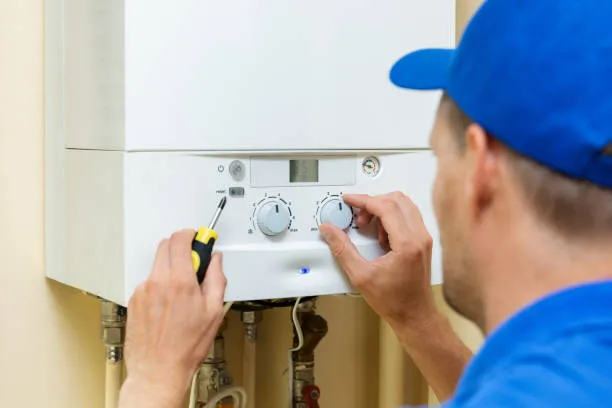
Why replace your heater now? Common signs in Willis, TX homes
- Frequent breakdowns or rising repair costs: When service calls become more common and repairs add up, replacement is often more economical.
- Age and declining performance: Furnaces older than 15–20 years or heat pumps older than 10–15 years typically lose efficiency and reliability.
- Higher energy bills: A sudden or steady increase in heating costs despite normal use indicates poor efficiency.
- Uneven heating or weak airflow: Worn motors, failing heat exchangers, or duct leakage can mean the system no longer meets your home’s needs.
- Safety concerns: Rust, cracks in a heat exchanger, or gas odors require immediate evaluation and often replacement.
- Noise and air quality issues: Excess vibration, rattling, or increased dust and allergens point to aging equipment and reduced indoor air quality.
Replacement options and efficiency gains
Willis homeowners have several practical replacement paths depending on fuel availability, ductwork, and comfort priorities.
- Heat pumps (air-source or modern cold-climate models)
- Best for: Year-round heating and cooling in humid subtropical climates.
- Benefits: High efficiency, strong dehumidification for Willis summers, no combustion in the home.
- Efficiency metrics: Look at SEER for cooling and HSPF for heating. Newer units significantly outperform older systems.
- Gas furnaces
- Best for: Homes with existing natural gas lines where strong, fast heat is preferred for cold snaps.
- Benefits: Powerful heating when temperatures drop, familiar technology for many homeowners.
- Efficiency metrics: AFUE rating; modern high-efficiency furnaces far exceed older units.
- Ductless mini-split heat pumps
- Best for: Additions, homes without ductwork, or room-by-room comfort control.
- Benefits: Zoned control, lower installation complexity in some homes, strong efficiency.
- Hybrid/dual-fuel systems
- Best for: Homes that want the efficiency of a heat pump with backup gas heat during extreme cold.
- Benefits: Optimizes efficiency and comfort across varying temperatures.
Upgrading from an older furnace or heat pump to a modern system commonly yields double-digit percentage improvements in seasonal efficiency, translating to meaningful energy savings over the life of the unit—especially in Willis, where the system also handles significant cooling load.
Cost and rebate considerations (what to evaluate)
- Upfront vs lifetime cost: Compare equipment price, estimated annual energy use, and expected maintenance to decide true cost. Higher-efficiency units cost more up front but often deliver lower operating costs.
- Incentives and rebates: Federal tax credits, state incentives, and local utility rebates in Texas can offset part of the purchase or installation cost. Incentive availability changes, so check current programs before buying.
- Warranty and installation quality: A strong manufacturer warranty combined with professional installation reduces long-term risk and can preserve efficiency and savings.
- Financing options: Many homeowners consider financing to spread costs, but factor in interest and total repayment when choosing a system.
Removal, disposal, and code considerations in Willis
- Refrigerant recovery: Any refrigerant in old heat pumps must be recovered by a certified technician per federal regulations.
- Gas line and combustion safety: When removing a gas furnace, the gas line must be safely capped and tested by a licensed professional.
- Permits and inspections: Local building codes may require permits and final inspections for replacement work—this protects safety and ensures compliance.
- Proper recycling: Metals, plastics, and other components should be recycled when possible; hazardous materials (oils, capacitors) must be handled per regulations.
- Ductwork and insulation: Old, leaky ducts are often found during replacement; addressing duct sealing and insulation during the project improves system performance and may be required by code in some cases.
Expected replacement process and timeline
- Initial evaluation and load calculation (1 visit): A professional inspects the home, performs a Manual J load calculation, checks existing ductwork, and recommends suitable equipment.
- Equipment selection and permit pull (1–7 days depending on schedule): After choosing the right system and verifying incentives, necessary permits are obtained.
- Installation day(s) (typically 1–2 days for standard replacements): Technicians remove old equipment, install new indoor and outdoor units, modify or replace ductwork as needed, install or configure a thermostat, and complete combustion and safety checks.
- Commissioning and walkthrough (same day as installation end): The system is tested, refrigerant lines are checked, airflow is balanced, and the installer reviews operation and maintenance basics with the homeowner.
- Follow-up inspection or tune-up (within 30–90 days): Some projects include a post-installation check to ensure optimal performance and to address minor adjustments.
Projects with significant duct redesign, foundation or roof access issues, or equipment backorders can extend timelines.
Long-term benefits for Willis homeowners
- Lower energy bills: Modern heating systems run more efficiently, reducing both winter and shoulder-season costs—especially when paired with efficient cooling in Willis’ climate.
- Improved comfort and humidity control: Heat pumps in particular improve dehumidification during warm months and provide consistent, even heat.
- Fewer emergency repairs: New equipment reduces the risk of mid-winter failures during occasional cold snaps.
- Better indoor air quality: New systems paired with upgraded filtration and sealed ducts cut dust and allergens.
- Increased home value and marketability: Energy-efficient, reliable systems are attractive to buyers and can enhance resale appeal.
- Peace of mind and safety: New combustion appliances eliminate many age-related safety issues.
Maintenance tips to protect your investment
- Schedule annual professional tune-ups to keep warranties valid and performance optimal.
- Change filters regularly and use quality filters rated for your system.
- Keep outdoor units clear of debris and maintain proper clearance for airflow.
- Seal and insulate ducts and refrigerant lines where accessible.
- Use a programmable or smart thermostat to optimize runtime and reduce energy use.
Maintenance Plan
Heat Pump/ AC Tune-Up

Furnace Tune-Up
Customer Testimonials