



Heating Replacement in Winter Springs, FL



Replacing the heating system in your Winter Springs home is often less about surviving frigid temperatures and more about year round comfort, efficiency, and reliability. Because heating here runs intermittently, many homes use heat pumps that serve both cooling and heating needs. Choosing the right replacement now prevents unexpected breakdowns during cold snaps, lowers utility bills over time, and improves indoor air quality and comfort in a humid, subtropical climate.
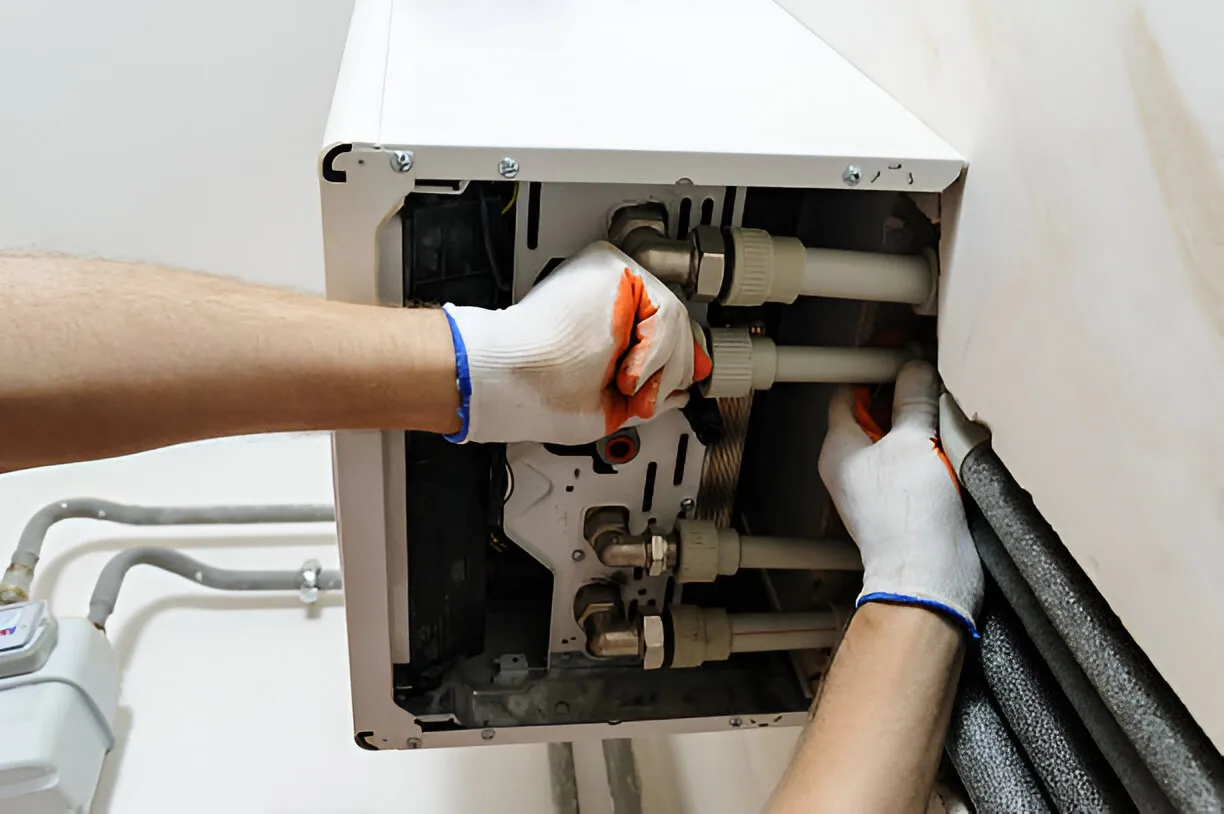
When to consider heating replacement
Replace your heating system when one or more of these apply:
- Age: Heat pumps older than 10 to 15 years or furnaces older than 15 to 20 years typically approach the end of useful life. Efficiency and repair frequency decline with age.
- Rising energy bills: A steady increase in heating-related energy costs, despite normal usage, usually signals decreased system efficiency.
- Frequent repairs: Repeated breakdowns or expensive component failures mean replacement can be more economical than continued repairs.
- Inconsistent comfort: Uneven temperatures, short-cycling, or inability to maintain set temperature indicate a poor match between system and home.
- Safety concerns: For gas systems, persistent carbon monoxide readings, cracked heat exchangers, or gas leaks require immediate attention and likely replacement.
- Obsolete refrigerants: Systems using phased-out refrigerants (for example R-22) are costlier to service and can justify replacement.
Common heating system options in Winter Springs
Winter Springs homes commonly replace heating systems with one of these choices. Each option reflects tradeoffs in efficiency, sizing, and cost.
- Air-source heat pump (recommended in Florida climate)
- Efficiency measured by HSPF for heating and SEER for cooling.
- Excellent year round performance because it also handles cooling.
- Sizing is critical to avoid short cycling; typically sized in tonnage aligned to home load.
- Lower operating costs compared with electric resistance heat in mild climates.
- Gas furnace (less common inland but used in some homes)
- Efficiency measured by AFUE.
- Strong, quick heat output during cold snaps.
- Requires gas line and proper venting; not always ideal for Florida where heat demand is low.
- Ductless mini-split heat pump
- Good option for room additions, homes without ductwork, or zoning needs.
- High efficiency and precise temperature control per zone.
- Higher equipment cost per ton but lower distribution losses.
- Electric resistance (heat strips or baseboard)
- Lowest upfront equipment complexity but highest operating cost.
- Consider only when other options are impractical.
How replacement options compare (efficiency, size, cost)
- Efficiency: High-efficiency heat pumps typically deliver the best combined heating and cooling savings in Winter Springs. Look at HSPF and SEER. Furnaces use AFUE; high AFUE savings pay back more slowly here due to mild heating needs.
- Size: Proper sizing is done with a Manual J load calculation based on insulation, orientation, windows, and occupancy. Oversizing leads to short cycles and humidity issues; undersizing fails to meet load.
- Cost: Initial equipment and installation costs vary by system complexity. Ductless units and high-efficiency heat pumps cost more upfront than basic systems but recover costs through energy savings quicker in Florida’s climate.
Evaluation and replacement recommendations
A thorough evaluation includes:
- Visual inspection of equipment, ductwork, and thermostat.
- Performance testing: airflow, refrigerant pressures, combustion analysis for gas, and electrical inspection.
- Energy audit basics to identify insulation or duct leaks that affect sizing and performance.
- Manual J load calculation to recommend correct capacity and system type.Based on findings, recommendations will weigh efficiency targets, budget, home layout, and long-term savings.
Replacement workflow (what to expect)
- Pre-replacement evaluation and load calculation to determine correct system type and size.
- Permit and code review to ensure compliance with Seminole County building codes.
- Removal: safe disconnect, refrigerant recovery by EPA-certified technicians, and responsible removal of old unit.
- Installation: mounting, duct connections or line-set runs for heat pumps, combustion venting for furnaces, and electrical and gas connections as required.
- Startup and balancing: refrigerant charge, airflow balancing, thermostat setup, and zoning controls if applicable.
- Safety and performance testing: electrical checks, CO test for gas units, duct pressure or leakage testing, and system calibration.
- Final inspection paperwork and equipment registration for manufacturer warranties, as applicable.
Proper disposal and environmental considerations
Old HVAC units must be handled responsibly. Refrigerant recovery is required by law; technicians must reclaim and recycle or dispose of refrigerants safely. Metal, copper coils, and other components are recyclable. Ask for documentation of refrigerant recovery and disposal. Removing older R-22 systems avoids future servicing difficulties and environmental compliance risks.
Available rebates and financing (overview)
- Federal tax credits and incentives for high-efficiency heat pumps and qualified electrification upgrades may apply; eligibility depends on program timing and unit specifications.
- Local utility companies and state programs occasionally offer rebates for heat pumps or energy-efficient replacements in Seminole County and neighboring service areas.
- Many contractors and lenders provide financing plans that spread installation costs over time, often tailored for energy-efficiency upgrades.Review current incentive availability and qualification criteria before finalizing equipment selection to maximize savings.
Long-term savings and warranty information
Upgrading to a correctly sized, high-efficiency heat pump can lower combined heating and cooling costs substantially in Winter Springs’ climate. Savings come from improved efficiency, reduced repair needs, and better humidity control leading to less strain on equipment. Manufacturer warranties typically cover major components for a set period; extended warranties or labor guarantees vary by installer. Keep warranty registration and maintenance records to preserve coverage.
Maintenance and tips for Winter Springs homes
- Schedule annual tune ups that include refrigerant checks, airflow cleaning, and thermostat calibration to maintain efficiency.
- Seal and insulate ductwork and attics to reduce load and improve comfort.
- Consider a programmable or smart thermostat to reduce runtime when the home is unoccupied.
- For homes with coastal exposure note: while Winter Springs is inland, high humidity can accelerate corrosion; choose systems and coatings appropriate for humid environments.
Maintenance Plan
Heat Pump/ AC Tune-Up

Furnace Tune-Up
Customer Testimonials