



Heating Service in Montgomery County, TX



Keeping your heating system reliable, efficient, and safe is essential for Montgomery County homes where mild winters can suddenly shift into chilly cold snaps. Professional heating service in Montgomery County, TX focuses on identifying problems early, restoring comfort quickly, and extending equipment life so you avoid emergency breakdowns when temperatures drop.
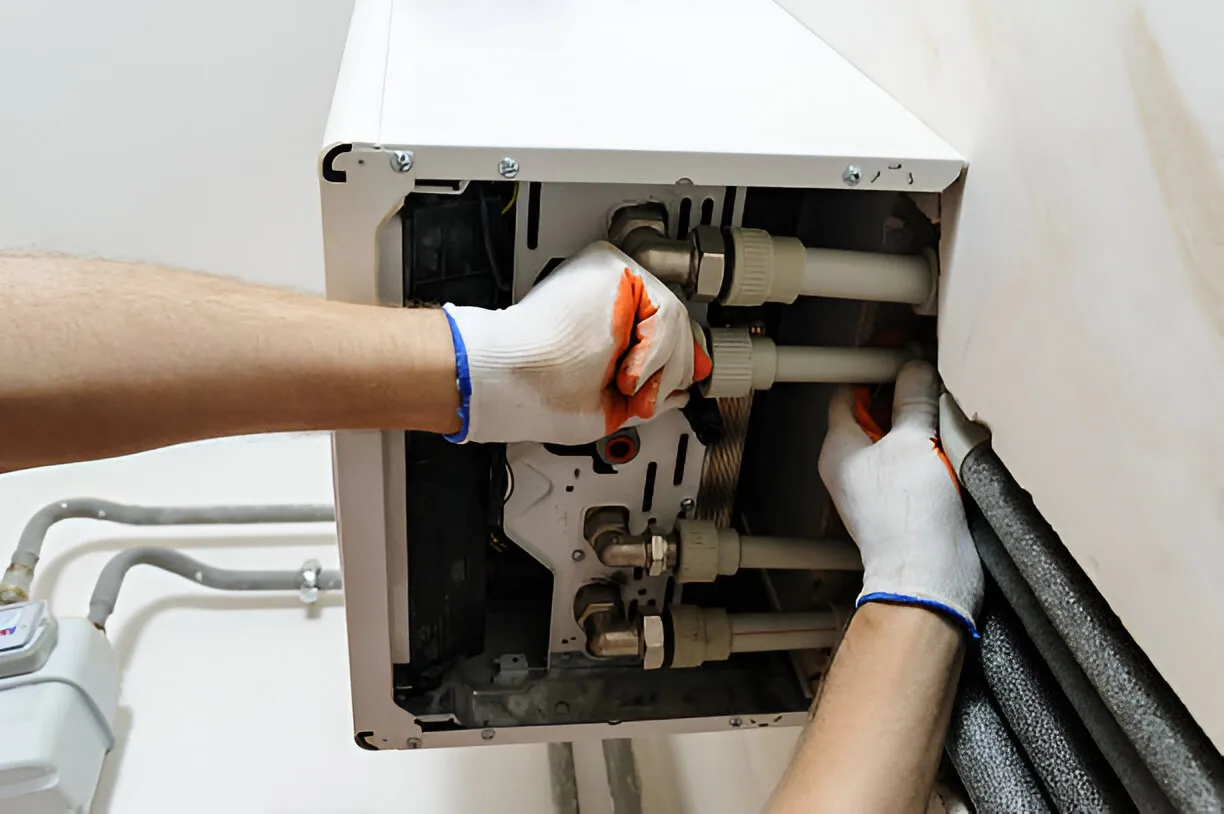
Why timely heating service matters in Montgomery County, TX
Montgomery County’s climate is generally mild but humid, with occasional arctic fronts that place sudden stress on heating equipment. High humidity and tree pollen can accelerate dirt buildup on coils and filters, reducing efficiency. Routine heating service:
- Improves comfort and consistent indoor temperature during cold snaps
- Reduces energy use by keeping systems operating at peak efficiency
- Detects safety hazards such as cracked heat exchangers or carbon monoxide risks
- Preserves manufacturer warranties by maintaining recommended service records
Common heating systems we service
Homes in Montgomery County commonly use a mix of systems. Professional technicians typically work on:
- Heat pumps (air-source and packaged units) — common for combined heating/cooling systems
- Gas furnaces and gas-fired central systems
- Ductless mini-split heating units for additions or zoned comfort
- Electric-resistance heaters and hybrid systems
Typical heating problems in Montgomery County homes
Homeowners call for heating service most often for:
- Weak or uneven heat distribution between rooms
- Frequent short-cycling or system running constantly
- No heat, intermittent heat, or unit failing to start
- Strange noises from blower motors or compressors
- Pilot light or ignition failures on gas systems
- Increased energy bills and poor airflow
- Odors from the furnace or ductwork (possible dust, mold, or electrical issues)
What a comprehensive heating service visit includes
A full diagnostic and service visit is structured to find root causes, restore safe operation, and document system condition. Typical steps:
- Visual inspection of the unit, ductwork, and vents for signs of damage or airflow restrictions
- Safety checks: combustion analysis for gas furnaces, heat exchanger inspection, carbon monoxide screening, and verification of proper venting
- Operational diagnostics: thermostat calibration, startup/shutdown sequences, electrical connections, blower motor and fan operation
- Filter and pilot/light checks: inspect and recommend filter replacement; inspect pilot assemblies and electronic igniters for proper function
- Refrigerant level and reversing valve checks on heat pumps (identify leaks or performance issues)
- Measurement of temperature rise or head pressure to confirm efficiency
- Basic cleaning of accessible components (burners, flame sensor, condensate drains) and lubrication of motors where applicable
- Documentation of findings and a clear, written estimate for any recommended repairs or replacements before work proceeds
Common repairs handled during a service visit
Many repairs can be completed during the initial visit if parts are available. Typical on-site repairs include:
- Thermostat recalibration or replacement
- Pilot assembly or ignition control repairs
- Blower motor capacitor or motor replacement
- Replacement of belts, limit switches, and safety controls
- Cleaning or clearing condensate drains and pans
- Minor duct sealing and vent adjustments
- Replacing worn filters, belts, and accessible componentsIssues requiring additional parts or permits (for example major compressor replacement or refrigerant recovery) are diagnosed and scheduled with a clear estimate.
Warranties and service agreements
Keeping a record of professional maintenance is often essential to maintain manufacturer warranties. Common features of heating service agreements include:
- Annual or biannual tune-ups that follow an agreed checklist
- Priority scheduling during peak cold periods
- Documentation of service visits to support warranty claims
- Discounts on diagnostic or repair labor and parts in some plans
- Safety-focused inspections that help prevent hazardous failuresA properly maintained system usually performs more reliably and can qualify for extended or manufacturer-specific warranty terms.
Scheduling and what to expect
Scheduled service visits are timed to fit seasonal needs—typically a pre-winter inspection is recommended. During colder months, technicians prioritize safety and emergency trends observed in the area. Expect a technician to:
- Arrive with tools and an expectation to perform a full diagnostic
- Explain findings in plain language and provide written recommendations
- Outline repair options with clear pros and cons and an estimate before proceeding
Practical tips to prolong equipment life
Small, regular actions by homeowners help reduce service needs and improve efficiency:
- Replace disposable filters every 1–3 months; high pollen months in Montgomery County may require more frequent changes
- Keep outdoor units clear of leaves, pine needles, and debris that trap moisture and accelerate corrosion
- Maintain clear airflow: do not block supply or return vents, and keep furniture away from registers
- Install and test carbon monoxide detectors near sleeping areas if you use gas heating
- Schedule an annual inspection before the first cold spell to catch wear before it becomes a failure
- Consider programmable or smart thermostats to reduce unnecessary runtime and lower strain on equipment
Maintenance Plan
Heat Pump/ AC Tune-Up

Furnace Tune-Up
Customer Testimonials