



Heating Service in Montgomery, TX



Keeping your home warm, safe, and energy-efficient during the cooler months in Montgomery, TX requires more than a quick repair. Whether you have a gas furnace, heat pump, or ductless system, comprehensive heating service combines accurate diagnostics, safety inspections, timely repairs, and proper thermostat calibration to restore comfort and protect your family.
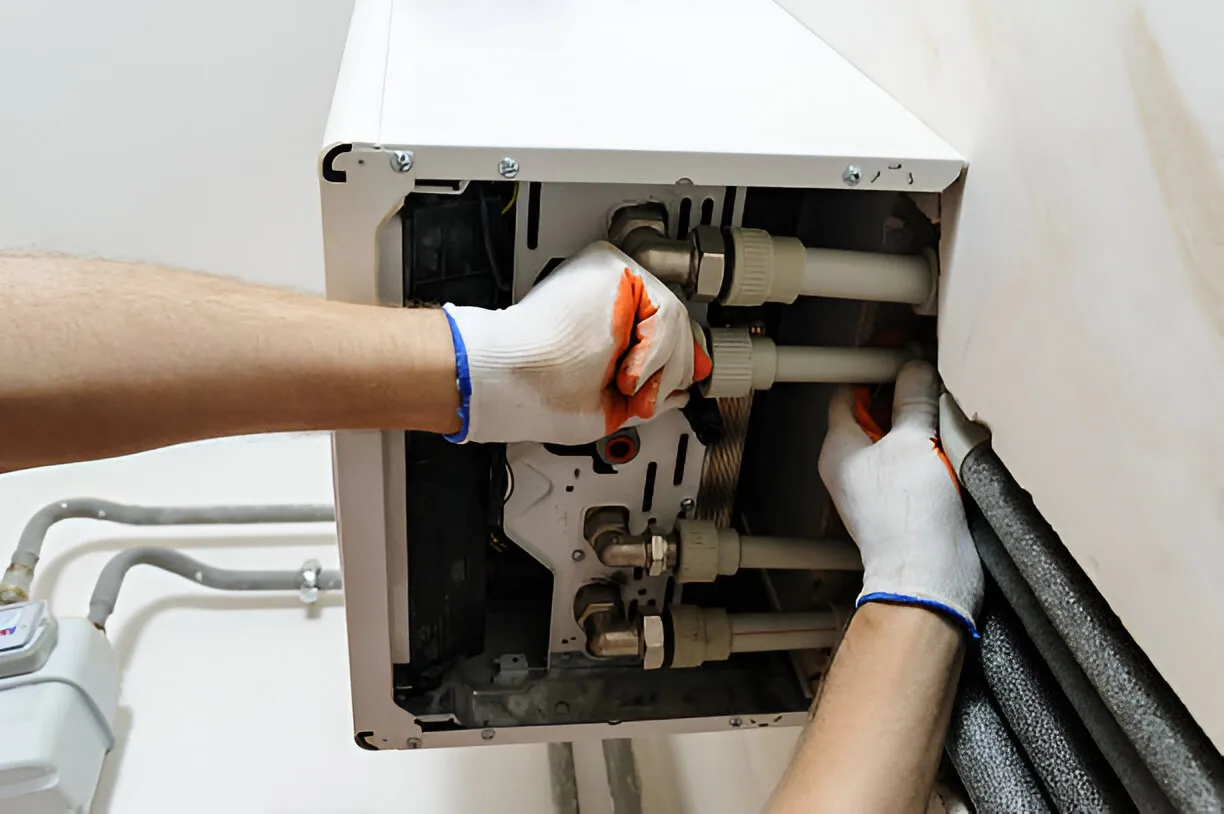
Common heating systems and common issues in Montgomery, TX
Montgomery-area homes commonly use heat pumps and gas furnaces, with ductless mini-splits in some additions or older homes. Local climate factors — high humidity for much of the year and occasional cold snaps during winter fronts — influence how systems perform and fail.
- Gas furnaces: ignition failures, dirty burners, cracked heat exchangers, clogged filters, and faulty limit switches.
- Heat pumps: low refrigerant, failing reversing valves, defrost control problems, and reduced efficiency when outdoor coils are dirty or obstructed.
- Ductless systems: indoor unit sensor faults, clogged condensate lines, or communication errors.
- Duct problems: leaks, poor insulation, and collapsed sections that reduce heat delivery and increase bills.
- Thermostats and controls: incorrect setup, poor calibration, or connectivity issues with smart thermostats.
Comprehensive diagnostics and safety inspections
A thorough heating service in Montgomery, TX begins with methodical diagnostics and safety checks designed to identify root causes rather than just symptoms.
- Visual and operational check: inspect the system’s exterior, controls, wiring, and visible ductwork while running the unit to observe performance under load.
- Airflow and filter assessment: measure airflow, inspect/replace filters, and check blower motor operation.
- Combustion and ventilation testing (gas furnaces): measure flue draft, inspect venting, and test for safe combustion and carbon monoxide risks. Carbon monoxide testing is essential for gas-fired systems.
- Electrical and component testing: test capacitors, relays, motors, ignition modules, and safety switches.
- Refrigerant and coil checks (heat pumps): test pressures, inspect coils for dirt or damage, and check for leak indicators.
- Thermostat diagnostics: verify sensor accuracy, wiring integrity, and calibration.
Technicians should document findings, explain safety concerns (like a cracked heat exchanger or CO risk), and detail recommended repairs or replacements.
Emergency callouts and expected response times
Not all heating issues are equal. Emergencies in Montgomery, TX include suspected gas leaks, persistent carbon monoxide alarms, or complete loss of heat during extreme cold.
- Emergency indicators: gas smell, CO alarm activation, or no heat during freezing nights.
- Interim safety steps: if you suspect a gas leak or CO, evacuate, ventilate if safe, and turn off the gas supply at the meter if you know how. Turn off the appliance if a persistent electrical fault exists.
- Typical response expectations: many service providers offer same-day or next-business-day response for urgent heating failures and prioritized emergency callouts for confirmed safety risks. Arrival windows often range from a few hours for emergencies to 24-48 hours for non-emergency repairs in peak season.
Thermostat setup and calibration
A properly configured thermostat is often the quickest path to improved comfort and efficiency.
- Calibration: verify temperature readings at the thermostat against room temperature and adjust or replace faulty sensors.
- Placement and zoning: ensure thermostats are placed away from drafts, direct sunlight, or heat sources; set up zoning where multiple thermostats control dampers for targeted comfort.
- Smart thermostats: connect and configure Wi-Fi thermostats, enable geo-fencing or schedule learning modes, and verify compatibility with heat pump or dual-fuel systems.
Correct thermostat setup can eliminate short cycling, reduce energy use, and improve temperature consistency across your home.
Common fixes for gas furnaces and heat pumps
Technicians routinely address certain repairs that restore reliable heating quickly.
- Gas furnaces: replace or clean ignitors and flame sensors, repair clogged burners, replace faulty gas valves or control boards, and repair or replace cracked heat exchangers when necessary.
- Heat pumps: locate and repair refrigerant leaks, replace reversing valves or defrost controls, clean coils, and service outdoor units to restore proper heat transfer.
- Electrical & mechanical: replace capacitors and relays, repair blower motors, tighten wiring, and replace limit switches and safety controls.
- Duct and airflow work: seal leaks, add insulation, adjust dampers, or recommend duct repairs to improve circulation and system efficiency.
Repairs are prioritized by safety and effectiveness; temporary fixes may be used to restore heat immediately, followed by permanent repairs.
Service guarantees, warranties, and financing guidance
Understanding guarantees and warranties helps protect your investment and avoid surprises.
- Workmanship guarantees: reputable service visits usually include a limited workmanship guarantee on repairs (commonly 30 to 90 days), covering labor for the specific repair performed. Confirm the exact duration and what is covered.
- Manufacturer warranties: new equipment typically carries a manufacturer warranty on parts for a set term (commonly 5 to 10 years, with some parts longer). Registration of the unit and use of authorized installers are often required to preserve full coverage.
- Avoiding warranty voids: keep regular maintenance records, use qualified installers, and avoid DIY major repairs—improper work can void manufacturer or extended warranties.
- Financing options: homeowners commonly use HVAC financing plans, personal loans, home equity lines of credit, or utility rebate programs. Financing often requires basic credit checks and documentation; ask about terms, interest rates, and payment schedules before committing.
Keep records of service visits, parts replaced, and receipts—these are essential for warranty claims and future resale value.
Maintenance and long-term benefits
Scheduled tune-ups, usually once a year before the heating season, dramatically reduce emergency breakdowns and keep systems running efficiently.
- Benefits of regular maintenance: improved comfort, lower energy bills, longer equipment life, fewer emergency repairs, and earlier detection of safety risks.
- Recommended cadence: annual tune-up for heat pumps and furnaces; semi-annual checks for dual-fuel systems or homes with heavy seasonal use.
- Simple homeowner tasks: replace filters regularly, keep outdoor units free of debris, and maintain clear airflow around registers.
Maintenance Plan
Heat Pump/ AC Tune-Up

Furnace Tune-Up
Customer Testimonials