



Heating Service in Seminole County, FL



Keeping your home or business comfortably warm during Seminole County’s cooler months requires a heating system that’s inspected, maintained, and repaired by technicians who understand local climate patterns, common equipment types, and regional building practices. Whether your property relies on a heat pump, ductless mini-split, or a gas furnace, our Heating Service in Seminole County, FL.
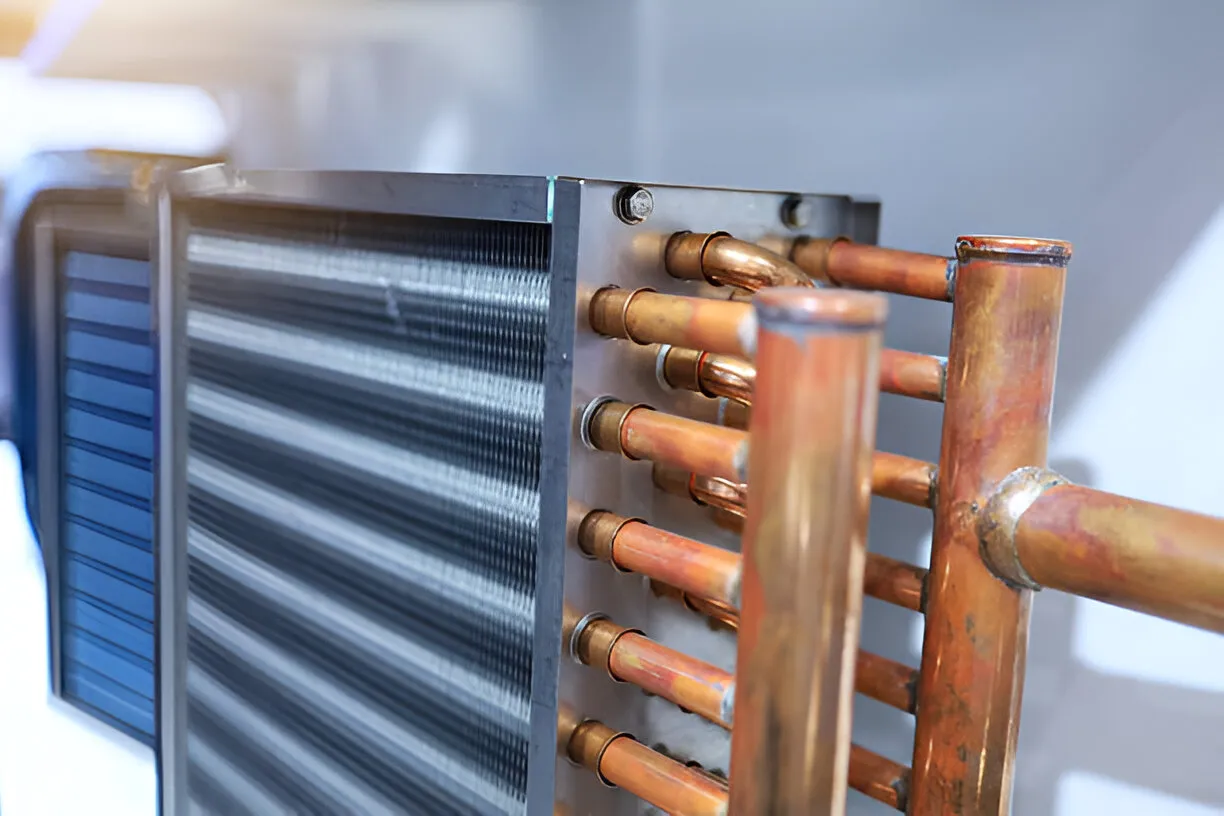
What our Seminole County heating service covers
- Comprehensive diagnostic inspections: visual and performance checks to quickly pinpoint problems.
- Routine preventative maintenance: seasonal tune-ups that restore efficiency and extend equipment life.
- Emergency heating service: timed response for no-heat situations and hazardous failures.
- Safety checks: carbon monoxide testing, heat exchanger inspection, gas leak checks, and electrical safety.
- Thermostat setup and smart thermostat integration: programming, zoning, Wi-Fi setup, and energy-optimization.
- Repair and replacement: compressors, reversing valves, control boards, burners, ignition systems, blower motors, and duct repairs.
- Ductless and mini-split heating service: inspections, leak repair, and inverter diagnostics.
- Commercial system service: rooftop units, packaged systems, and multi-zone controls.
- Service agreements and membership plans: priority scheduling, regular tune-ups, and documented system histories.
- Clear, written estimates and workmanship guarantees: transparency before any work begins and coverage after completion.
Common heating problems in Seminole County homes and businesses
Seminole County’s mild but humid climate means most properties use heat pumps or ductless systems. The most frequent issues include:
- No heat or weak heat: often caused by thermostat settings, refrigerant issues, or failing compressors on heat pumps.
- Short cycling: systems turning on and off rapidly due to improper sizing, thermostat placement, or control failures.
- Uneven temperatures or zoning problems: blocked ducts, imbalanced airflow, or failing zone dampers.
- Frequent defrost cycles or iced outdoor units: common with heat pumps during cooler, humid nights.
- Ignition or pilot problems on gas systems: delayed ignition, flame failure, or safety lockouts requiring safety inspection.
- Strange noises or odors: loose components, motor bearings, or electrical arcing that need immediate attention.
- Reduced efficiency and higher energy use: clogged filters, dirty coils, or failing components that increase operating costs.
How a professional diagnostic inspection works
Our diagnostic approach is designed to be thorough but easy to understand:
- Initial interview and symptom review: collect details on what you’ve noticed, when the issue occurs, and any recent changes.
- Visual system assessment: checks of the outdoor unit, indoor air handler, access panels, and visible ductwork.
- Thermostat and control check: ensure proper programming, sensor operation, and compatibility with the system.
- Airflow and filter inspection: measure airflow, check filters, and test supply/return registers.
- Electrical and safety testing: inspect wiring, capacitors, contactors, and test safety controls.
- Refrigerant and compressor evaluation (for heat pumps/AC systems): check charge, pressures, and compressor performance.
- Combustion and carbon monoxide testing (for gas systems): ensure safe combustion and no dangerous CO leaks.
- Written findings and options: plain-language report outlining issues, repair options, and efficiency implications.
Repairs and solutions explained in plain language
- Thermostat troubleshooting and smart thermostat setup: correct placement, wiring verification, and installing/connecting smart thermostats to Wi-Fi and sensors to optimize comfort and savings.
- Heat pump repairs: addressing refrigerant leaks, reversing valve faults, defrost control failures, and compressor or capacitor replacement.
- Furnace repairs: ignition system repair, flame sensor cleaning, burner tuning, and heat exchanger inspection for cracks or corrosion.
- Ductwork fixes: sealing leaks, balancing airflow, and adding insulation to reduce energy loss and prevent moisture problems in humid conditions.
- Blower and motor service: cleaning, lubrication, and replacement to restore proper airflow and reduce noise.
- Control board and safety device repair: replacing or reprogramming control modules, limit switches, and other devices that protect the system.
Service agreements and membership plans
Membership plans are designed for predictable performance and long-term cost control. Typical plan benefits focused on Seminole County needs include:
- Scheduled seasonal tune-ups to prevent common failures during cool spells.
- Priority scheduling for members during high-demand periods.
- Documented maintenance history that supports warranty and resale value.
- Filter and equipment reminders to prevent humidity-related issues.
- Performance reports that show system health and efficiency trends.
These plans emphasize preventing mid-season breakdowns and keeping heat pump systems running efficiently through Seminole County’s variable shoulder seasons.
Guarantees, warranties, and transparent estimates
Workmanship is backed by a written guarantee and applicable manufacturer part warranties. Before performing any repairs or replacements, a clear, written estimate and scope of work is provided so there are no surprises. Safety-critical repairs include documented testing (such as carbon monoxide and combustion checks) and a record of results. For members, priority service and expedited inspections are part of the membership benefit structure.
Practical maintenance tips to extend system life
- Change or clean air filters regularly, typically every 1 to 3 months.
- Keep outdoor heat pump units clear of debris, vegetation, and mulch to maintain airflow.
- Program thermostats for steady setpoints during cool nights to reduce wear from frequent cycling.
- Schedule annual heating inspections before the first extended cool period.
- Keep supply registers unobstructed and check attic/crawlspace duct insulation in older Seminole County homes.
Q: How often should a heat pump be serviced in Seminole County, FL?
A: Annual tune-ups are recommended, with additional checks if you notice reduced heating performance or odd noises.
Q: Can I use a smart thermostat with my existing heating system?
A: Most systems are compatible; professional setup ensures correct wiring, sensor placement, and programming for energy savings.
Q: What should I do if my system smells like gas or I detect carbon monoxide?
A: Evacuate to fresh air and contact a licensed professional for immediate safety inspection; do not operate gas equipment until it is cleared.
Q: Will routine maintenance reduce emergency breakdowns?
A: Yes. Regular inspections and tune-ups catch small issues before they become failures and keep efficiency high.
Q: Do membership plans include priority emergency service?
A: Membership plans typically include priority scheduling and documented maintenance benefits that reduce downtime during peak periods.
Maintenance Plan
Heat Pump/ AC Tune-Up

Furnace Tune-Up
Customer Testimonials