



Heating Service in Willis, TX



Keeping your home warm, safe, and efficient during Willis winters means having a dependable heating service that understands local needs. Residents in Willis, TX experience mild but sometimes sudden cold snaps and high humidity the rest of the year. Those conditions make prompt diagnostics, regular maintenance, and fast repairs critical to prevent system breakdowns, reduce energy costs, and protect indoor air quality.
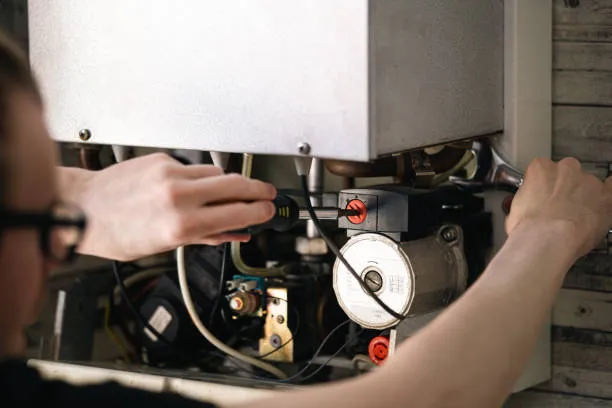
Why local heating service matters in Willis, TX
Willis homes often rely on heat pumps, furnaces, or hybrid systems that also serve as air conditioners during long, humid summers. High humidity and temperature swings increase system runtime and wear on components. Ductwork in older Montgomery County homes can accumulate dust and pollen, impacting airflow and efficiency. Local technicians will account for these climate and home-structure factors when evaluating and servicing your system.
Common heating issues in Willis, TX
Homeowners in Willis frequently encounter these problems:
- Poor airflow or uneven heating due to clogged filters, dirty ducts, or failing blowers
- Heat pump short-cycling, defrost problems, or low refrigerant
- Gas furnace ignition failures, faulty burners, or pilot/ignition control issues
- Strange noises from bearings, belts, or loose panels
- Reduced efficiency from worn motors, bad capacitors, or electronic control failures
- Safety concerns such as carbon monoxide leaks from cracked heat exchangers or blocked flues
Understanding these common issues helps you recognize when a call for professional service is necessary.
On-site diagnostics and inspections
A thorough on-site inspection identifies root causes and prevents repeat visits. Typical diagnostic steps include:
- Visual inspection of the furnace or heat pump, ducts, vents, and flue
- Checking thermostat calibration and control signals
- Measuring airflow and temperature differential across the system
- Testing electrical components, motor amperage, and control voltages
- Combustion analysis for gas systems and carbon monoxide testing where appropriate
- Checking refrigerant charge and defrost cycle performance on heat pumps
- Inspecting filters, burners, ignition systems, and condensate drains
Technicians will document findings, explain safety concerns, and outline recommended repairs or maintenance options in clear, nontechnical terms.
Routine component servicing
Regular servicing keeps systems running safely and efficiently. Standard maintenance tasks include:
- Replacing or cleaning air filters and media air cleaners
- Cleaning burners, ignition assemblies, and heat exchanger surfaces (where accessible)
- Lubricating motors and inspecting belts and pulleys
- Cleaning and testing blower wheels and condensate drains
- Checking refrigerant levels and heat pump defrost function
- Tightening electrical connections and testing system controls
Routine maintenance reduces the risk of no-heat emergencies and generally extends equipment life.
Minor repairs and common fixes
Technicians can often complete minor repairs during the same visit to restore heating performance. Typical on-the-spot repairs:
- Replacing filters, capacitors, contactors, or relays
- Fixing or replacing blower motors, belts, or fan assemblies
- Repairing or replacing thermostats and sensors
- Cleaning or repairing burners, flame sensors, and ignition modules
- Sealing small duct leaks and adjusting airflow balance
- Adjusting refrigerant charge and clearing defrost faults on heat pumps
When a repair requires parts or additional labor, the technician will provide an estimate and explain warranty coverage for parts and workmanship.
Emergency heating service procedures
No-heat emergencies require a clear triage and safety-first approach:
- Initial triage over the phone or by the dispatcher to assess safety risks (gas smell, CO alarm, no heat, frozen pipes)
- Guidance to shut off power or gas if a dangerous condition is suspected
- Prioritizing safety checks on arrival: carbon monoxide testing, gas leak inspection, and flue/venting checks
- Temporary measures when safe and appropriate (e.g., resetting safeties, providing temporary heat options) while planning a permanent repair
Local crews understand Willis weather patterns and prioritize emergency calls during cold fronts and extreme conditions.
Warranties and service guarantees
Responsible heating service includes clear information about warranties and workmanship:
- Explanation of manufacturer parts warranties for replaced components
- Labor or workmanship guarantees for repairs performed
- Documentation of the service performed, parts used, and warranty terms provided in writing
- Recommendations for extended maintenance plans that may protect systems and preserve warranties
A certified technician will review warranty status before performing work and document any changes resulting from repairs.
How scheduling and service visits work
Scheduling typically reflects urgency and seasonality:
- Routine tune-ups are scheduled during nonpeak periods to avoid winter rushes
- Pre-winter inspections are recommended to catch issues before cold weather arrives
- Same-day or next-day appointments are common for urgent breakdowns during cold snaps
- Technicians provide an arrival window and a summary of expected inspection and repair time
Before a visit, prepare by noting system type, age, last service date, and any symptoms like odd noises or uneven heating to help the technician diagnose more quickly.
Technician qualifications and safety standards
Qualified heating technicians for Willis homes should meet state and industry standards:
- State-licensed HVAC contractors and technicians who comply with Texas licensing and safety regulations
- EPA certification for handling refrigerants on heat pumps
- Training in combustion analysis and carbon monoxide testing for gas systems
- Background-checked, insured technicians who follow safety procedures and clean work practices
Licensed professionals will explain findings in plain language and provide written documentation for any repairs or maintenance.
Maintenance tips to reduce breakdowns
- Replace or clean filters every 1 to 3 months depending on use and indoor air quality
- Keep supply registers and return grilles unobstructed
- Schedule annual inspections before the heating season
- Monitor and test carbon monoxide detectors and smoke alarms regularly
- Address uneven heating or odd noises early to avoid larger failures
Regular attention and timely service keep Willis heating systems safer, more reliable, and more efficient.
Maintenance Plan
Heat Pump/ AC Tune-Up

Furnace Tune-Up
Customer Testimonials