


Heating Tune-Up in Lake Conroe, TX



Keeping your heating system tuned and inspected before cold snaps in Lake Conroe is one of the most effective ways to avoid mid-winter breakdowns, lower monthly energy use, and protect your family from safety hazards like carbon monoxide. Even though winters here are milder than up north, residents still rely on furnaces and heat pumps during cool nights and seasonal cold fronts from the north. A professional heating tune-up is designed to restore reliable operation, improve efficiency, and extend equipment life — especially important in lakeside communities where humidity, pollen, and occasional corrosion can influence system performance.
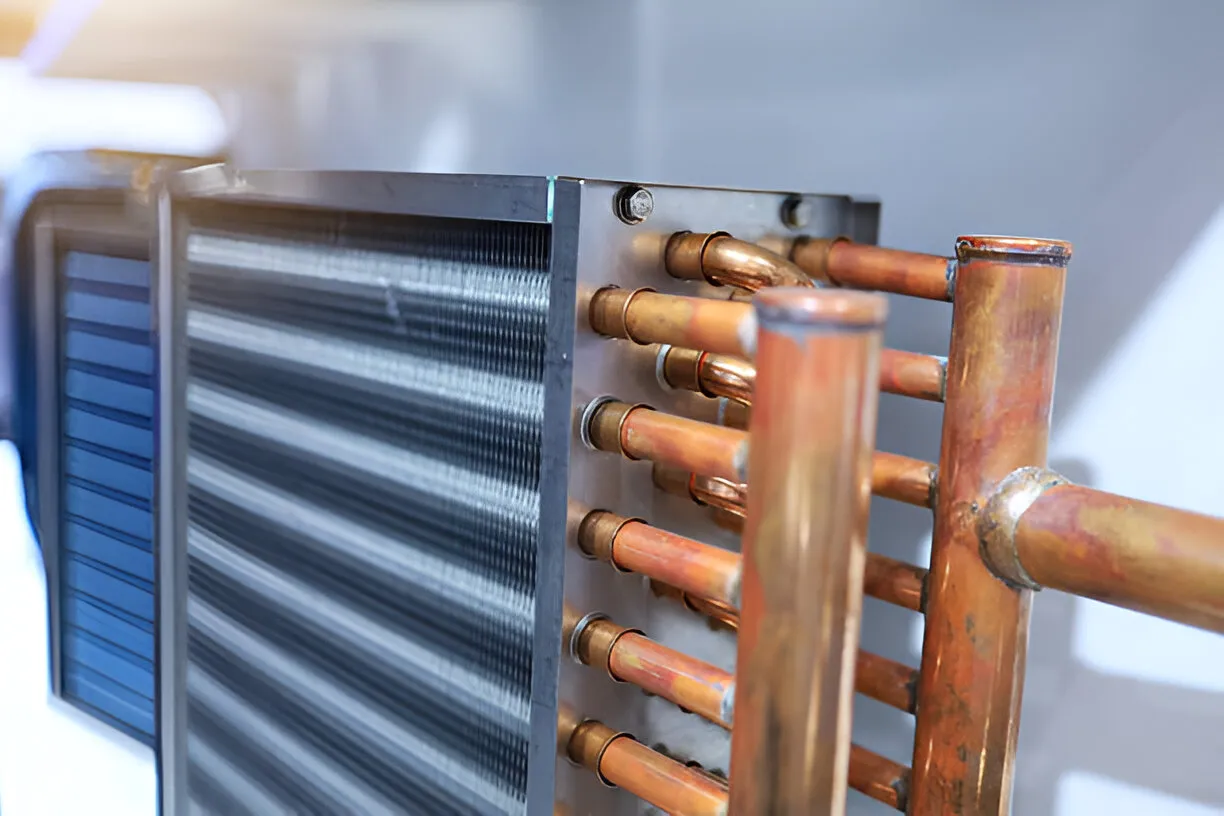
Why a tune-up matters for Lake Conroe homes
- Humidity and pollen: High humidity and seasonal pollen loads can clog filters and reduce airflow, forcing the system to work harder.
- Salt and lakeside conditions: Proximity to Lake Conroe can accelerate corrosion on outdoor heat pump components and venting hardware.
- Temperature swings: Rapid warm-to-cold transitions increase cycling and stress on components, making a pre-season inspection prudent.
- Energy savings: Properly adjusted equipment runs more efficiently and maintains comfortable indoor temperatures with less energy.
What a professional Heating Tune-Up includes
A thorough tune-up goes beyond changing a filter. It identifies worn parts, tests safety systems, and fine-tunes performance so your heater runs safely and efficiently when you need it most.
21-Point Heating Tune-Up Checklist
- Visual system inspection for obvious damage, rust, or debris
- Replace or inspect the air filter; recommend replacement if needed
- Check and clean blower motor and blower wheel for dirt buildup
- Inspect and tighten electrical connections at the control box and disconnects
- Test thermostat operation and calibrate temperature settings if needed
- Measure system voltage and amperage for major motors and compressors
- Lubricate motors and moving parts where applicable
- Inspect and test the ignition system (pilot, hot surface ignitor, or electronic ignition)
- Clean burners and inspect flame pattern for correct combustion (gas furnaces)
- Inspect heat exchanger for cracks, corrosion, or signs of leakage
- Test limit switches and safety interlocks for proper operation
- Check and test the condensate drain and trap for blockages (if applicable)
- Inspect flue and venting for proper clearance, secure connections, and obstructions
- Combustion analysis / carbon-monoxide (CO) level check at the appliance and nearby living spaces
- Inspect gas pressure and line connections for leaks and secure fittings (gas systems)
- Test safety shutoffs and emergency controls
- Verify reversing valve, defrost cycle, and refrigerant charge if tune-up includes heat pump inspection
- Evaluate airflow and static pressure through the system; adjust or recommend duct sealing if needed
- Inspect ductwork access points and visible seams for leaks and insulation issues
- Check capacitors, contactors, and run components for wear and proper function
- Review system performance and produce a report with findings and recommended actions
Filter and component checks explained
- Filters: Dirty or mis-sized filters reduce airflow, lower efficiency, and increase wear on the blower motor. A tune-up includes checking filter condition and recommending replacements or upgrades (higher efficiency filters where appropriate).
- Motors and bearings: Technicians check for vibration, noise, correct electrical draw, and add lubrication where designed to do so.
- Electrical components: Loose connections and worn capacitors are common causes of failures. Tightening, testing, and documenting component health prevents sudden breakdowns.
- Heat exchanger and burners: Inspection ensures combustion is happening correctly and that there are no cracks or corrosion that could lead to CO leaks.
Safety and carbon-monoxide testing
Safety is a primary goal of every heating tune-up. Technicians perform combustion and CO testing to confirm the appliance is burning fuel efficiently and not producing dangerous gases. Key safety steps include:
- Performing a combustion analysis on gas-fired equipment to measure CO and flame quality
- Testing CO levels around the appliance and advising on alarm placement or replacement if needed
- Verifying venting and flue integrity to ensure exhaust gases are routed safely away from living spaces
- Checking safety switches and limit controls to prevent overheating or uncontrolled operation
Performance optimization for efficiency and comfort
A tune-up is also an opportunity to optimize how your system performs every day:
- Thermostat calibration and placement checks to eliminate short cycling and uneven temperature readings
- Airflow balancing and duct inspection to reduce hot/cold spots and improve comfort distribution
- Refrigerant and reversing valve checks for heat pumps to ensure heating mode efficiency
- Recommendations for zoning, programmable/ smart thermostats, or supplemental insulation to improve year-round comfort and costs
When to schedule a tune-up
- Recommended annually, ideally in early fall before the heating season ramps up
- If you notice unusual noises, higher than normal utility bills, uneven heating, or frequent cycling
- After a long period of inactivity (for example, if the system wasn’t used much last season)
- When you buy a home or take over maintenance for a system with unknown service history
Benefits of seasonal maintenance
- Improved reliability: Fewer surprises during cold nights when you need heat most
- Better efficiency: Clean, tuned equipment uses less energy and costs less to operate
- Longer equipment life: Preventive care reduces premature component failure and extends overall system life
- Safety assurance: Regular testing lowers the risk of carbon-monoxide exposure and fire hazards
- Documentation: Maintenance records help with warranty compliance and provide resale value for your home
Common findings and typical next steps
During tune-ups in Lake Conroe, technicians often find:
- Clogged filters and dirty blower wheels requiring cleaning or replacement
- Minor duct leaks that, when sealed, noticeably improve comfort and efficiency
- Corroded outdoor coils or electrical contacts needing cleaning or replacement because of lakeside humidity
- Weak capacitors or worn belts that should be replaced to prevent immediate failure
Recommended next steps after a tune-up may include part replacement, duct sealing, thermostat upgrades, or scheduling a follow-up repair if a failing component is identified.
Q: How long does a heating tune-up usually take?
A: A standard tune-up typically takes 60 to 90 minutes, depending on system type and condition. Thorough inspections and testing may take longer if repairs are needed.
Q: Will a tune-up include replacing parts?
A: Routine tune-ups do not automatically include part replacement, but technicians will document worn parts and provide clear recommendations for necessary repairs or replacements.
Q: Can a tune-up detect carbon-monoxide leaks?
A: Yes. Combustion analysis and CO testing are standard parts of a professional tune-up, and technicians inspect venting and heat exchangers for sources of CO leaks.
Q: How often should I have my heat pump or furnace serviced in Lake Conroe?
A: Annual service is recommended for both heat pumps and furnaces. Homes with high pollen, pets, or heavy use may benefit from twice-yearly checks (heating and cooling seasons).
Q: Will maintenance improve my indoor air quality?
A: Yes. Cleaning components, replacing filters, and addressing duct leaks reduce dust and allergens circulation, improving overall indoor air quality.
This tune-up content is designed to help Lake Conroe homeowners understand what to expect from a professional heating tune-up, why seasonal maintenance matters locally, and how routine care protects comfort, safety, and equipment value.
Maintenance Plan
Heat Pump/ AC Tune-Up

Furnace Tune-Up
Customer Testimonials