



Heating Tune-Up in Metro West, FL



An annual heating tune-up is the most effective way to keep your home comfortable, safe, and energy efficient during cool snaps and the milder winter months in Metro West, FL. A professional seasonal tune-up addresses hidden problems before they become breakdowns, restores system efficiency, and verifies safety controls. For Metro West homes that rely on heat pumps or gas furnaces, a thorough 21-point tune-up provides the checks and cleaning tasks needed to maintain reliable performance in our humid, pollen-prone climate.
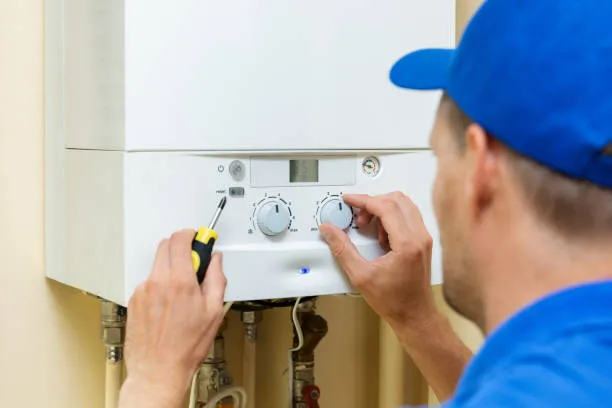
Why a Heating Tune-Up Matters in Metro West, FL
- Florida winters are short but can include sudden cold spells when your heating system must perform reliably.
- Most Metro West homes use heat pumps or high efficiency furnaces. Heat pumps require attention because they run year-round for both heating and cooling.
- High humidity, frequent pollen, and occasional coastal salt exposure increase corrosion, clog filters faster, and promote condensate and coil fouling. A tune-up tailored to these local factors reduces corrosion risk and indoor air concerns.
- Regular maintenance helps preserve manufacturer warranties and reduces the chance of emergency repairs during busy weather events.
What a 21-Point Heating Tune-Up Covers
This 21-point tune-up checklist focuses on inspection, cleaning, calibration, and safety verification to restore dependable operation.
- Inspect overall system condition and documentation of model and age
- Check thermostat settings and battery (if applicable)
- Calibrate thermostat for accurate temperature control
- Inspect and replace or recommend replacement of air filter as needed
- Check and clean blower motor and blower wheel for dust build-up
- Inspect electrical connections and tighten loose terminals
- Test capacitor and contactor function on heat pumps and furnaces
- Measure system voltage and amperage to detect motor or compressor issues
- Inspect heating element or gas burner assembly and clean burners
- Test ignition system, pilot assembly, and safety switches on gas equipment
- Check heat exchanger for cracks or corrosion on furnaces
- Inspect flue and venting for blockages or improper draft
- Measure combustion and carbon monoxide risk where applicable
- Test reversing valve, defrost cycle, and controls on heat pumps
- Check refrigerant levels and look for signs of leaks on heat pumps
- Inspect duct connections and visible ductwork for leaks or excessive dust
- Clean condensate drain and trap to prevent clogs and overflow
- Inspect and clean indoor and outdoor coils as accessible
- Verify airflow across the coil and measure supply and return temperatures
- Inspect safety controls and limit switches for proper operation
- Provide a written report of findings, recommended repairs, and efficiency observations
Safety and Performance Checks
Safety is central to any tune-up. Technicians will test for gas leaks, verify proper combustion, and measure carbon monoxide where applicable. Electrical integrity checks reduce fire risk and detect failing components before they cause motor damage. Performance checks include verifying proper airflow, measuring temperature differentials, and checking refrigerant charge on heat pumps. These tests identify inefficiencies that raise energy use or shorten equipment life.
Cleaning, Calibration, and Replacement Tasks
Cleaning restores capacity and improves airflow. Typical cleaning includes the blower assembly, burners, condensate drain, and coils. Calibration work ensures thermostats accurately reflect room temperature and that control settings match home comfort needs. Filters are inspected and either replaced or documented for owner replacement. When corrosion, leaky ducts, or degraded parts are discovered, the tune-up report will outline sensible repair or replacement options to restore safe, efficient operation.
Expected Benefits of a Seasonal Tune-Up
- Improved reliability when you need heat the most
- Better energy efficiency and lower operating costs through optimized performance
- Reduced risk of mid-season breakdowns and emergency service calls
- Enhanced indoor comfort with steadier temperatures and improved airflow
- Extended equipment lifespan and protection of warranty requirements
- Identification of developing issues so repairs can be scheduled on your terms
Typical Tune-Up Process and Timeline
A professional tune-up is typically completed in one visit and takes about 60 to 90 minutes depending on system type and condition. The technician will perform the 21-point inspection, carry out cleaning and calibration tasks, test safety devices, and present a concise report detailing findings and recommended next steps. Minor adjustments and maintenance items are usually completed during the visit, while any necessary repairs that require parts are clearly explained in the report.
Scheduling and Routine Maintenance Recommendations
- Annual pre-season tune-ups are recommended for most heating systems. For Metro West homes with heat pumps, consider scheduling a check in late fall to prepare for cooler weather.
- Homes with high indoor humidity, pets, or heavy pollen exposure may need more frequent filter changes and periodic follow-up checks.
- Join a regular maintenance plan to ensure tune-ups occur on a schedule and to keep service history documented for warranty purposes.
Common Heating Issues Found During Tune-Ups in Metro West
- Restricted airflow from clogged filters or dirty blower wheels
- Thermostat miscalibration leading to short cycling or poor comfort
- Corroded burners or heat exchanger concerns on older furnaces
- Low refrigerant or failing reversing valves on heat pumps
- Blocked condensate drains creating potential water damage and mold growth
- Loose electrical connections and aging capacitors causing intermittent failures
FAQs
Q: How often should I get a heating tune-up in Metro West, FL?
A: Most systems should have an annual tune-up before the heating season. Heat pumps that provide cooling and heating year-round can benefit from an inspection in late fall and possibly another check in spring if needed.
Q: What if the technician finds a safety issue during the tune-up?
A: Safety issues are prioritized and documented in the technician report. Immediate risks are clearly identified and isolated if necessary, and recommendations for repair or replacement are provided.
Q: Will a tune-up lower my heating energy bills?
A: Yes. Cleaning, calibrating, and correcting airflow or refrigerant issues help systems run more efficiently, which typically reduces energy consumption and cost.
Q: Is a 21-point tune-up enough for older systems?
A: A 21-point tune-up addresses common maintenance and safety items. Older systems may still require repairs or part replacements; the tune-up will identify what, if any, additional work is advisable to restore safe, efficient operation.
Q: Can I perform some tune-up tasks myself?
A: Homeowners can change filters and keep vents clear, but comprehensive safety checks, electrical testing, refrigerant evaluation, and combustion analysis should be performed by trained service professionals.
Maintenance Plan
Heat Pump/ AC Tune-Up

Furnace Tune-Up
Customer Testimonials