



Heating Tune-Up in Montgomery County, TX



A seasonal heating tune-up keeps your system safe, reliable, and efficient when colder weather arrives. In Montgomery County, TX, winters are usually mild but can include sudden cold snaps and nights that dip near freezing. Those swings put stress on furnaces and heat pumps that sit idle most of the year, making a pre-season tune-up an important preventive step for homes in Conroe, Willis, Montgomery, and surrounding communities.
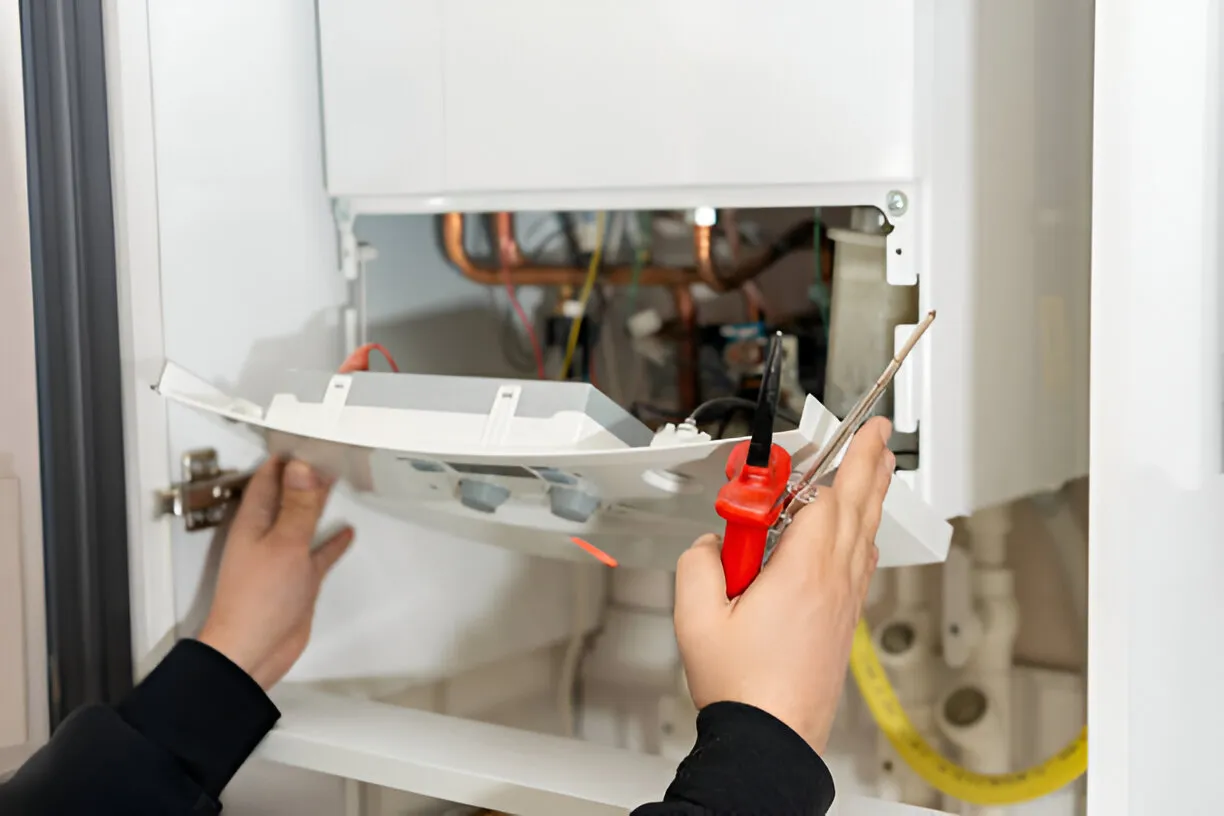
Why a heating tune-up matters for Montgomery County homes
- Safety: Annual inspections catch issues like cracked heat exchangers or faulty safety controls that can create carbon monoxide or fire hazards.
- Reliability: Systems that aren’t serviced after long idle periods are more likely to fail during the first cold nights. A tune-up reduces emergency repairs.
- Efficiency: Cleaning and calibrating components restores proper combustion and airflow so your system uses less energy to heat your home.
- Longevity: Regular maintenance reduces wear and tear, extending the useful life of furnaces and heat pumps.
Common heating system types in Montgomery County
- Gas furnaces: Common in older and some newer homes; require combustion and flue inspections.
- Electric furnaces and heat strips: Simpler combustion profile but electrical checks are critical.
- Heat pumps (air-source): Very common; provide year-round comfort but need inspection for reversing valve, refrigerant charge, and defrost cycle.
- Ductless mini-splits: Require indoor/outdoor unit checks, refrigerant and control diagnostics, and filter/evaporator cleaning.
Standard heating tune-up checklist
A full seasonal tune-up covers safety, performance, and basic serviceable repairs. Typical items include:
- Visual and operational inspection
- Verify system starts, cycles, and reaches expected temperatures.
- Inspect vents, flues, flue piping, and draft for proper exhaust.
- Combustion and safety checks (gas systems)
- Inspect burners and pilot/ignition assembly for correct flame pattern and cleanliness.
- Examine heat exchanger for cracks, corrosion, or stress.
- Test carbon monoxide presence and safety interlocks.
- Controls and thermostat
- Calibrate thermostat and verify accurate temperature reading.
- Test safety controls, limit switches, and sequencing for proper operation.
- Electrical system
- Tighten and inspect electrical connections, fuses, and breakers.
- Test capacitors, contactors, motors, and control boards for function.
- Airflow and distribution
- Check and clean blower motor, fan wheel, belts, and bearings.
- Measure static pressure and airflow where applicable.
- Inspect ducts for obvious damage, disconnections, and heavy dust buildup.
- Filters and indoor air quality
- Replace or clean filters and recommend filter types based on household needs.
- Inspect condensate lines and pans for clogs or standing water (heat pump/air handler).
- Refrigeration and heat-exchange systems (heat pumps)
- Check refrigerant charge and pressures for proper performance.
- Inspect reversing valve, defrost cycle, and outdoor coil condition.
- System documentation
- Record run times, measured readings, and any recommendations for repairs or future attention.
What technicians diagnose during a tune-up
Technicians use a combination of visual inspection, basic instruments, and functional tests:
- Flame sensors, gas pressure, and CO analyzers for combustion safety.
- Amps and volts to identify electrical stress on motors and compressors.
- Temperature splits and airflow measurements to reveal restricted ducts or failing blowers.
- Refrigerant pressure gauges and leak checks for heat pumps.
This methodical approach isolates root causes rather than just treating symptoms.
Typical repairs discovered and solutions
A tune-up often identifies small issues before they become emergencies:
- Dirty burners or clogged pilot — cleaned for reliable ignition.
- Worn blower motor bearings or belts — lubricated or replaced to restore airflow.
- Failed ignition modules or sensors — replaced to ensure consistent startup.
- Low refrigerant or small leaks in heat pumps — leak repair and recharge recommended.
- Cracked heat exchanger — typically requires system replacement due to safety concerns.
When repairs are needed, technicians will explain the options, expected benefits, and consequences of deferring service.
How tune-ups fit into a preventive maintenance plan
Annual tune-ups are the foundation of an effective maintenance plan. For maximum protection:
- Schedule a tune-up annually before the heating season. In Montgomery County, aim for late fall so systems are ready for early cold snaps.
- For older equipment or homes with high usage, consider biannual checks (heating and cooling seasons) or a comprehensive maintenance agreement that documents service history.
- Maintenance plans should include inspection documentation, priority scheduling, and a record of replaced parts and measured performance data to track trends.
What to expect from a professional tune-up
- A technician follows a documented checklist (similar to the items above), performs safety tests, and records findings.
- The visit typically lasts long enough to complete inspection, cleaning, tests, and minor adjustments. Time varies by system type and condition.
- You should receive a clear summary of work performed, measurement readings, and recommended next steps or repairs.
Cost considerations and influencing factors
Rather than a flat figure, the overall cost of a tune-up can vary based on:
- System type (furnace, heat pump, ductless), age, and accessibility.
- Extent of cleaning and any replacement parts required.
- Whether combustion testing and CO analysis are needed for gas systems.
- Additional services such as filter upgrades, duct cleaning, or refrigerant servicing.These factors influence the scope and value of a tune-up within a preventive plan.
Maintenance Plan
Heat Pump/ AC Tune-Up

Furnace Tune-Up
Customer Testimonials