



Heating Tune-Up in Orange County, FL



Keeping your heating system ready in Orange County, FL is about more than comfort. Even though winters are mild, homes here still rely on heat pumps, gas furnaces, and ductless systems during cooler nights and cold snaps. A thorough heating tune-up prevents unexpected breakdowns, improves energy efficiency, and ensures safe operation when you need warmth.
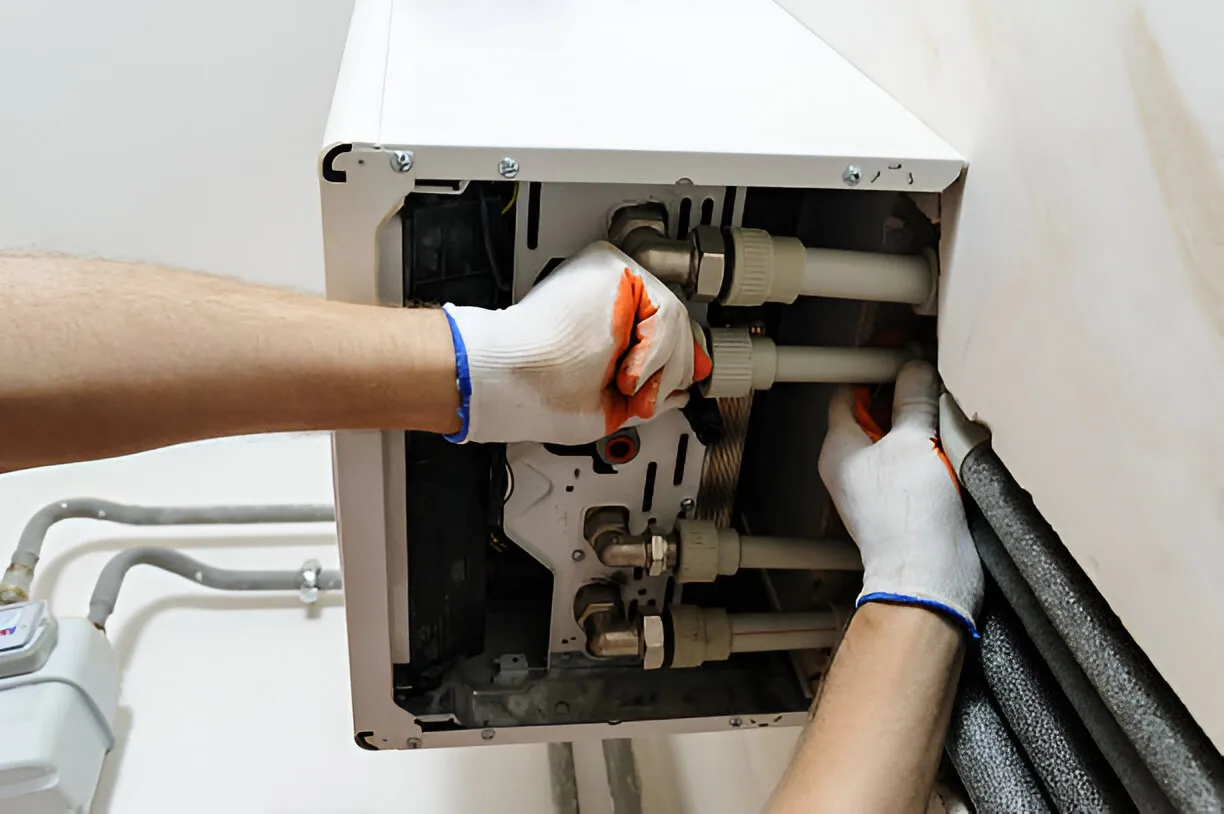
What a Heating Tune-Up Includes
A full heating tune-up follows a systematic checklist to verify performance and safety. Key elements include:
- System cleaning
- Clean or inspect burners and combustion chamber for gas furnaces
- Clean heat pump coils, condensate drains, and blower wheels
- Clear debris around outdoor units to maintain airflow
- Airflow and duct inspection
- Check and measure airflow, inspect ductwork for obvious leaks or blockages
- Verify supply and return registers are unobstructed
- Electrical and component checks
- Test capacitors, contactors, relays, and wiring for wear or loose connections
- Measure motor amperage and voltages to detect stress on components
- Combustion and safety inspections
- Perform combustion analysis on gas systems to check efficiency and CO levels
- Inspect heat exchanger for cracks or corrosion that could cause safety risks
- Verify operation of safety switches, limit controls, and rollouts
- Thermostat and control calibration
- Calibrate thermostat and control settings for accurate temperature control
- Confirm correct sequence of operation and proper system cycling
- Refrigerant and heat pump checks
- Check refrigerant charge and pressures (heat pumps)
- Test defrost cycle and reversing valve operation on heat pumps
- Performance testing
- Measure temperature rise or temperature split to confirm proper heating output
- Run system through full cycle and listen for abnormal noises
- Filter and homeowner guidance
- Inspect air filter and recommend replacement frequency
- Provide simple maintenance tips to keep the system running efficiently
Diagnostic Process: What Technicians Do and Why It Matters
A professional tune-up is diagnostic as much as it is maintenance. Technicians follow a step-by-step approach:
- Visual system assessment to note obvious wear, leaks, or missing components.
- Power and safety checks to ensure electrical systems and safety devices are operating.
- Cleaning of critical components to restore airflow and heat transfer.
- Instrument testing, including amp draws, voltages, refrigerant pressures, and combustion readings.
- Airflow measurement and temperature testing to evaluate system output under load.
- Calibration of controls and thermostat settings to optimize comfort and efficiency.
- Post-service run and verification to ensure the system performs reliably.
This process uncovers developing problems before they become failures. In Orange County, where heating is used intermittently, tune-ups often reveal issues from seasonal inactivity such as corroded connectors, dried seals, or drifting thermostat settings.
Common Heating Issues in Orange County Homes
While Florida winters are short, several recurring problems show up in local homes:
- Heat pump short cycling or no heat - often caused by low refrigerant, a failing reversing valve, or thermostat issues.
- Reduced heating output - clogged coils, dirty filters, or inadequate airflow caused by closed vents or duct issues.
- High energy use despite adequate comfort - poor system tuning, imbalanced airflow, or faulty components causing inefficiency.
- Ignition or pilot problems in gas systems - intermittent starters or dirty burners after long idle periods.
- Carbon monoxide risk - cracked heat exchangers or improper combustion in gas furnaces; safety inspections catch these risks early.
Addressing these during a tune-up reduces the chance of emergency repairs on the coldest nights and helps maintain indoor air quality and safety.
Benefits of Annual Heating Tune-Ups
Regular tune-ups deliver measurable benefits to Orange County homeowners:
- Improved efficiency - clean, calibrated systems use less energy and maintain comfort at lower cost.
- Reduced breakdown risk - early detection stops small issues from becoming costly failures.
- Enhanced safety - combustion testing and heat exchanger inspections lower carbon monoxide and fire risks.
- Longer equipment life - routine maintenance reduces wear on motors, compressors, and other components.
- Consistent comfort - better temperature control and fewer hot or cold spots in the home.
- Warranty compliance - many manufacturers require regular maintenance to keep warranties valid.
When to Schedule a Tune-Up
Timing matters. For Orange County homes, aim for an annual heating tune-up before you expect to use the system regularly. Late October to November is typically ideal to prepare for the cooler season and before cold fronts arrive. If your system sits unused for months, schedule a tune-up before its first run to avoid issues caused by inactivity.
What to Expect During Service
A thorough tune-up usually takes between 60 and 90 minutes depending on system type and condition. The technician will need access to indoor and outdoor equipment and may request that the thermostat be available for testing. You will receive a summary of findings with any recommendations for repairs or follow-up maintenance. No disruptive replacements are done during a standard tune-up unless previously agreed.
Simple Home Maintenance Between Tune-Ups
To get the most out of a professional service, homeowners can:
- Replace or clean filters every 1 to 3 months depending on usage and filter type.
- Keep outdoor units free of vegetation, mulch, and debris to maintain airflow.
- Ensure registers and returns are open and unblocked.
- Use a programmable thermostat to reduce unnecessary cycling and improve comfort.
- Address odd noises or performance changes promptly rather than waiting for scheduled visits.
Maintenance Plan
Heat Pump/ AC Tune-Up

Furnace Tune-Up
Customer Testimonials