



Heating Tune-Up in Seminole County, FL



A seasonal heating tune-up keeps your home comfortable, efficient, and safe when Seminole County’s cooler nights arrive. Even though Central Florida winters are milder than northern climates, heating systems here still face unique stresses: heat pumps work harder during fluctuating temperatures, coastal humidity and seasonal storms can accelerate corrosion and wiring issues, and systems that sit idle for most of the year can develop faults that only show up the first cold snap. A professional heating tune-up identifies problems early, restores peak performance, and reduces the chance of emergency repairs when you need heat most.
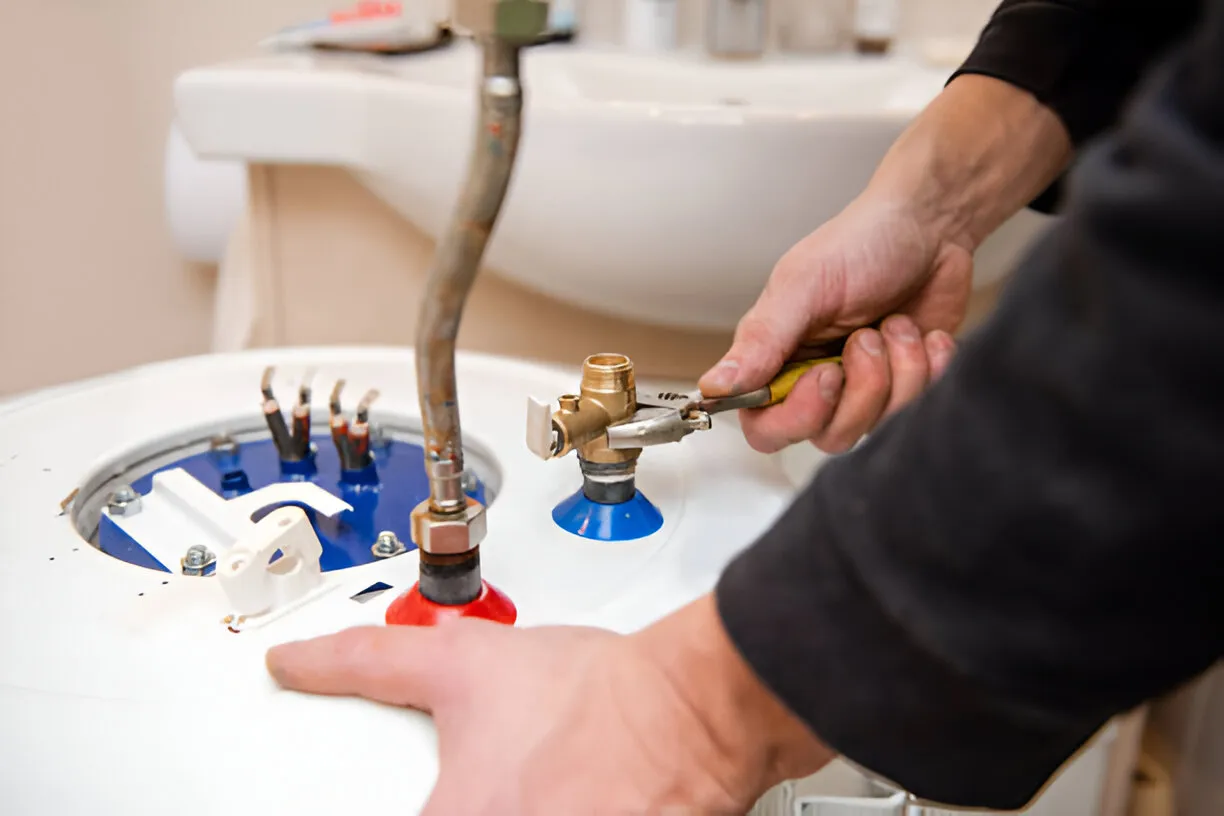
Why a tune-up matters in Seminole County homes
- Mild but variable winters mean intermittent heating cycles that can hide failing parts until failure.
- Heat pumps are common locally; they require specific checks (reversing valve, defrost cycle, refrigerant) that differ from gas furnaces.
- High humidity and occasional storms increase corrosion and promote clogged condensate drains and vent issues.
- Annual maintenance preserves efficiency, lowers running costs, and improves indoor comfort without overworking equipment.
Common heating issues addressed during a tune-up
- Weak or inconsistent heat output
- System short-cycling (turning on and off frequently)
- Strange noises from the blower or cabinet
- Ignition or pilot failures on gas furnaces
- Reduced airflow from dirty filters or obstructed ductwork
- Malfunctioning thermostats or inaccurate temperature readings
- Odors from dust burn-off or trapped moisture
- Safety risks like cracked heat exchangers or blocked vents
What a professional heating tune-up includes (detailed checklist)
A complete seasonal tune-up follows a thorough, systematic checklist to ensure reliability and safety.
- Inspect burners and combustion components
- Clean burner assemblies
- Check flame pattern and combustion stability
- Inspect the heat exchanger
- Visual check for cracks, corrosion, or holes that can cause carbon monoxide leaks
- Check and replace or clean air filters
- Evaluate filter size and type; recommend higher-efficiency options if needed
- Test ignition components
- Verify pilot, spark, or hot surface igniter operation and replace if worn
- Inspect venting and flue systems
- Clear blockages, check for corrosion or loose connections, confirm proper draft
- Evaluate blower motor and fan assembly
- Measure amperage, lubricate bearings where applicable, check belts and wheel balance
- Test safety controls and electrical connections
- Verify limit switches, pressure switches, and all control wiring; tighten and secure electrical connections
- Calibrate and test thermostat
- Confirm temperature accuracy and proper communication with the system
- Check refrigerant levels and heat pump-specific components
- Inspect reversing valve, defrost cycle, and refrigerant charge when applicable
- Measure airflow and static pressures
- Identify duct restrictions or dirty coils that reduce performance
- Inspect condensate lines and drains
- Clear clogs, check traps, and verify proper drainage to prevent water damage or mold
- Perform basic combustion efficiency and CO checks (for gas-fired systems)
- Ensure safe combustion and proper venting
- Provide a system performance report
- Document findings, recommended repairs, and any corrective actions taken
Diagnostic process and what technicians do
Technicians follow a logical diagnostic flow: visual inspection, component testing, system operation observation, and performance measurement. They use specialized tools to read temperatures, pressures, electrical loads, and carbon monoxide levels. If repairs or parts are needed, the technician will document the issue, explain the impact in plain language, and recommend prioritized solutions so you can make informed decisions about safety and efficiency.
Expected service duration
- Typical single-system tune-up: 60 to 90 minutes
- Older systems, systems with multiple zones, or heat pumps requiring refrigerant checks may take 90 to 120 minutes
- Additional time is required if the technician finds issues that require parts replacement or deeper diagnostics
Duration depends on system type, accessibility, condition, and whether additional cleaning (like coil or duct cleaning) is needed.
Benefits of regular heating tune-ups
- Improved efficiency and lower utility costs: Clean burners, proper calibration, and correct airflow reduce the energy required to heat your home.
- Better reliability and fewer emergency repairs: Early detection of worn components prevents breakdowns during colder periods.
- Longer equipment life: Routine maintenance reduces stress on motors, compressors, and heat exchangers, delaying expensive replacements.
- Improved comfort: Balanced airflow, accurate thermostat control, and clean filters mean more consistent temperatures throughout your home.
- Enhanced safety: Combustion checks, heat exchanger inspections, and vent testing reduce risks of carbon monoxide exposure and fire hazards.
- Cleaner indoor air: Replacing filters and clearing condensate drains helps reduce dust, allergens, and mold growth.
How tune-ups reduce emergency repairs
A tune-up replaces marginal parts, identifies developing faults, and corrects performance issues before they escalate. Components that fail unexpectedly—motors, igniters, control boards—often show telltale signs during a maintenance inspection: abnormal amps, intermittent operation, or visible wear. Addressing these early prevents overnight failures, service calls on holidays or weekends, and the higher expense and inconvenience of emergency replacements.
Maintenance frequency and timing
- Annual tune-up for every heating or heat pump system is recommended.
- For Seminole County, scheduling a tune-up in late fall ensures your system is ready for the coolest weeks and avoids the seasonal rush.
- Homes with pets, high allergen loads, or older equipment may benefit from semi-annual checks.
Simple homeowner preparation tips
- Replace or check basic disposable filters monthly between professional services.
- Keep the area around indoor units clear for airflow and easy technician access.
- Note any unusual noises, smells, or performance changes and document when they started.
- Ensure external vents and intake areas are free from debris, vegetation, and nesting animals.
A professional heating tune-up is a practical investment for Seminole County homeowners who want dependable comfort, lower running costs, and peace of mind. Annual maintenance catches small issues before they become major problems and keeps your system operating safely and efficiently throughout the season.
Maintenance Plan
Heat Pump/ AC Tune-Up

Furnace Tune-Up
Customer Testimonials