



Mini Split Installation in Seminole County, FL



When central air ducts are impractical or your home needs zoned comfort, a correctly installed Mini Split system delivers efficient cooling, targeted heating, and improved indoor air quality. In Seminole County, FL, where hot, humid summers and frequent storm activity place special demands on HVAC equipment, professional Mini Split installation ensures reliable performance, proper humidity control, and compliance with local building codes. Van Eddies Heating & Air Conditioning brings years of experience installing ductless systems across Seminole County, focusing on accurate load sizing, meticulous installation practices, and long-term system reliability.
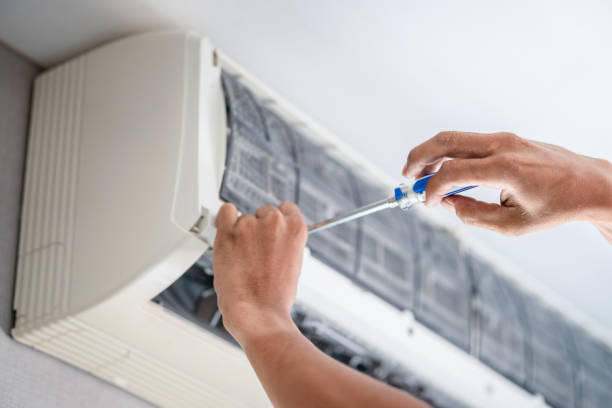
Why choose a mini-split in Seminole County
Mini-splits are an excellent choice for Seminole County homes for several reasons:
- High humidity and long cooling seasons make efficient, zoned cooling valuable for both comfort and energy savings.
- Older homes or additions often lack ductwork; mini-splits avoid major construction to add cooling.
- Zoned control reduces energy waste by letting you cool only occupied rooms.
- Heat pump mini-splits provide both cooling and efficient heating during cooler months, useful for Central Florida’s mild winters.
Understanding local climate realities is key. Seminole County’s combination of high latent loads and frequent afternoon heat spikes means sizing and installation must prioritize dehumidification, airflow balance, and proper condensate management. Van Eddies Heating & Air Conditioning tailors each installation to these local needs.
Common mini-split installation scenarios in Seminole County
Homeowners in Seminole County typically pursue mini-splits for:
- Single-room upgrades: bedrooms, home offices, sunrooms, or garages.
- Whole-home multi-zone systems for energy-efficient zoned comfort.
- Converting homes without ducts or with damaged ductwork.
- Additions and remodeled spaces where running ducts is impractical or too costly.
- Supplementing existing systems to handle hot spots or second-floor overheating.
Each scenario requires a different planning and installation approach, from a straightforward single-zone replacement to complex multi-zone designs involving multiple indoor heads and careful line-set routing.
Step 1 - Site assessment and load calculation
Accurate sizing starts with a professional site assessment and load calculation. A proper Manual J style analysis (or equivalent industry-standard load calculation) considers:
- Square footage and room-by-room heat gains and losses.
- Construction details: wall, ceiling, and floor insulation; window type and orientation; shading and roof color.
- Occupancy, internal heat sources, and typical usage patterns.
- Local climate factors in Seminole County such as humidity, solar exposure, and prevailing winds.
Under-sizing leads to short cycling and poor dehumidification. Over-sizing wastes energy and increases wear. Van Eddies Heating & Air Conditioning uses site-specific data to select the right capacity and system type, ensuring the mini-split meets both sensible cooling and latent load (dehumidification) requirements.
Step 2 - Choosing the indoor unit type and placement
Mini-splits offer multiple indoor unit styles: wall-mounted, floor-mounted, ceiling cassette, ducted low-profile units, and bulkhead units. Placement and design decisions focus on comfort, aesthetics, airflow, and maintenance access.Key placement considerations:
- Location that promotes even airflow across the occupied zone.
- Avoiding direct airflow onto occupants for better perceived comfort.
- Routing line sets with the shortest, most direct path to the outdoor condenser while preserving aesthetics.
- Condensate management - ensuring a gravity drain or condensate pump path that prevents water backflow or leak risks.
- Access for filter changes and routine maintenance.
In Seminole County homes, minimizing exposure of line sets to high attic temperatures and ensuring indoor drip pans or condensate pumps are correctly installed helps prevent humidity-related problems.
Step 3 - Outdoor condenser siting and mounting
Outdoor unit siting affects efficiency, longevity, and code compliance. Proper considerations include:
- Sufficient clearance for airflow on all sides and above the unit.
- Mounting on a stable, level pad or wall brackets with vibration isolation.
- Elevating the condenser where necessary to reduce flood and debris risk, especially in low-lying or flood-prone areas.
- Locating the unit in a shaded area when possible to reduce heat soak while maintaining maintenance access.
- Positioning to minimize noise impact on neighboring properties.
Florida building codes and local Seminole County regulations may require specific anchoring or elevation standards, and storm-resistant mounting practices should be used to withstand heavy winds. Van Eddies Heating & Air Conditioning plans condenser placement to balance efficiency, serviceability, and local weather resilience.
Step 4 - Electrical and mounting requirements
Mini-splits require proper electrical preparation for safe operation and code compliance:
- Dedicated circuit and appropriately sized breaker based on manufacturer specifications.
- A disconnect at the outdoor unit as required by the National Electrical Code and local amendments.
- Proper conduit, wiring gauge, and grounding for the line-voltage feed.
- Coordination with other household loads to prevent voltage drop and nuisance tripping.
- Consideration for surge protection in areas prone to lightning or power fluctuations.
Licensed technicians ensure wiring is completed to code, that the breaker and disconnect match equipment requirements, and that installation documentation reflects the electrical configuration for inspection and future servicing.
Step 5 - Line-set routing, refrigerant handling, and leak testing
Correct line-set routing and refrigerant handling are essential for performance and longevity:
- Line sets should be routed with gentle bends, secured to reduce vibration, and insulated to prevent condensate formation.
- Refrigerant lines and communication cables are typically routed through a small hole with a sealed penetration to maintain wall integrity and pest control.
- Modern mini-splits use factory-charged lines for common lengths; longer runs may require field charging or measuring superheat and subcooling.
- Leak testing with nitrogen and pressure testing is performed prior to evacuation to ensure system integrity.
- Full evacuation to appropriate micron levels removes moisture and non-condensables, then systems are charged or verified per manufacturer specifications.
Proper refrigerant handling protects equipment, ensures efficiency, and complies with environmental regulations. Van Eddies Heating & Air Conditioning documents refrigerant charge and testing for permit inspections and records.
Step 6 - System commissioning and performance testing
Commissioning verifies the system delivers the designed comfort and efficiency:
- Electrical checks: voltage, amp draw, and control circuits.
- Refrigeration checks: correct pressures, superheat and subcooling readings, and compressor performance.
- Airflow and temperature checks: supply and return temperatures, temperature split, and measured airflow to ensure proper distribution and dehumidification.
- Drainage checks: confirm condensate drains are clear, properly graded, and that pumps operate when installed.
- Control verification: confirm the thermostat or controller, schedules, and any home network integrations work reliably.
Commissioning includes testing under both peak cooling and heating conditions when applicable, ensuring the system cycles properly and the homeowner understands how to operate mode settings for comfort and efficiency.
Permit and code considerations in Seminole County, FL
Permit requirements and code compliance are a critical part of any mini-split installation in Seminole County:
- Most installations require a mechanical and electrical permit; larger multi-zone installations or structural modifications may trigger additional permits.
- Florida Building Code provisions apply, including wind load anchoring, flood elevation requirements for certain areas, and specific electrical code amendments.
- Local Seminole County inspection approvals ensure installations meet safety and energy efficiency requirements.
- Installations must be performed by licensed contractors in Florida. Documentation typically includes equipment specifications, wiring diagrams, load calculations, and permit sign-offs.
Van Eddies Heating & Air Conditioning performs installations in accordance with Florida code and assists with permit submittal and coordination of inspections, helping reduce delays and ensuring compliance.
Timeline and what to expect during installation
Typical timelines vary by project complexity:
- Single-zone installations are often completed within a day, including placement, line-set routing, electrical connections, evacuation, charging, and commissioning.
- Multi-zone installs with multiple indoor heads, additional electrical work, or structural modifications can take several days to a week, especially when permit timelines and inspections are included.
- Factors that extend timelines include complex line-set runs, need for platform construction or structural modifications, concealed wall or ceiling access, and permit processing.
During installation, professional crews follow a clear work plan: site protection, precise mounting of indoor and outdoor units, secure routing of lines and wiring, system evacuation and testing, and a thorough final cleanup. Van Eddies Heating & Air Conditioning emphasizes minimal disruption and professional jobsite practices in Seminole County homes.
Cost influencers and value considerations
While specific pricing varies by system type, capacity, and job complexity, key cost influencers include:
- Number of indoor units and total system capacity.
- Type of indoor units selected (wall-mounted, cassette, ducted).
- Length and complexity of line-set routing and electrical upgrades.
- Structural work needed for mounting or creating penetrations.
- Permitting and inspection fees required by Seminole County.
Instead of focusing solely on upfront cost, consider the long-term value: mini-splits often reduce energy use through zoned control, deliver better comfort and dehumidification, and eliminate duct losses. Proper installation by a licensed contractor reduces the likelihood of premature failures and maximizes manufacturer warranty protection.
Post-installation walkthrough and homeowner training
A professional installation includes an in-person walkthrough and operational overview:
- Explanation of system modes, scheduling, and recommended setpoints for comfort and efficiency.
- Demonstration of filter removal and cleaning, condensate management, and basic troubleshooting tips.
- Review of documentation: equipment serial numbers, warranty papers, permit sign-off, and commissioning records.
- Clarification of recommended maintenance intervals and what to expect seasonally in Seminole County, such as enhanced inspections before summer peak cooling season and prior to hurricane season.
This walkthrough ensures homeowners know how to get the best performance from their new mini-split system and how to spot potential issues early.
Warranty, registration, and ongoing support
Proper warranties protect both the equipment and the installation:
- Manufacturer warranties typically cover compressors and major components for specified periods; terms vary by brand and model.
- Installation warranties from a contractor cover workmanship and may include response terms for service calls following installation.
- Registering the system with the manufacturer is often required to secure full warranty rights.
- Routine maintenance preserves warranty coverage and system efficiency; documented maintenance records help if a warranty claim becomes necessary.
Van Eddies Heating & Air Conditioning provides documentation and recommended maintenance schedules and supports homeowners through warranty registration and post-installation service needs.
Maintenance tips for Seminole County climate
Seminole County’s humidity and summer heat call for specific maintenance focus:
- Replace or clean indoor filters regularly to maintain airflow and avoid coil frosting.
- Schedule coil cleaning and refrigerant checks annually to preserve efficiency and dehumidification performance.
- Inspect condensate drains and pumps periodically to avoid backups in humid months.
- Consider additional indoor air quality measures like UV coil purifiers or whole-house dehumidifiers if indoor humidity remains high.
- Inspect outdoor units after storms and ensure debris, leaves, and pollen do not impede airflow.
Regular maintenance extends equipment life, maintains efficiency, and helps the system remove excess moisture that is common in Central Florida.
Benefits homeowners in Seminole County will notice
Properly installed mini-splits deliver multiple benefits:
- Consistent, comfortable temperatures with improved humidity control.
- Better energy use through targeted zone control and reduced reliance on whole-house cooling.
- Quick installation with minimal disruption compared to ductwork retrofits.
- Flexible placement options and quieter indoor operation.
- Potential to improve indoor air quality by avoiding dust and allergens circulated through ducts.
These benefits are particularly meaningful in Seminole County where long cooling seasons and high humidity make efficient, reliable cooling a priority.
Maintenance Plan
Heat Pump/ AC Tune-Up

Furnace Tune-Up
Customer Testimonials