



Mini Split Repair in Montgomery County, TX



Ductless Mini Split systems are a popular solution in Montgomery County, TX for homeowners who need efficient cooling and heating without the time and expense of ductwork. When these systems underperform or fail, the result is uncomfortable rooms, higher energy bills, and potential damage to indoor air quality and home finishes. Van Eddies Heating & Air Conditioning provides experienced diagnostic and repair services for Mini Split systems designed specifically for the climate and home construction common to Montgomery County.
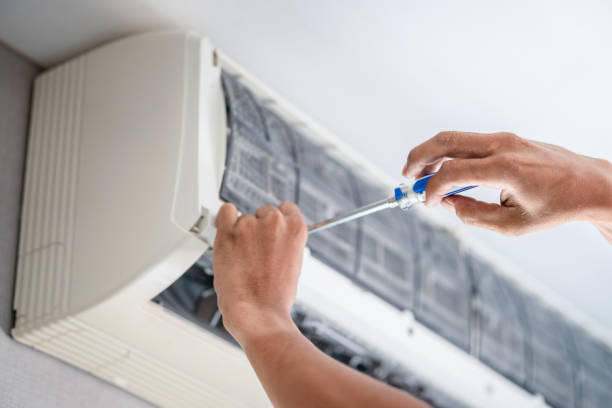
Why mini-splits are common in Montgomery County homes
Montgomery County has hot, humid summers, variable humidity in shoulder seasons, and frequent thunderstorms that can stress HVAC equipment. Many homes in the area are older structures that were not built with ductwork or have added rooms where extending ducts is impractical. Mini-split systems offer room-by-room comfort control, high efficiency, and easier installation for retrofits and additions. Because the local climate demands reliable cooling for long stretches each year, timely repair and proper maintenance of mini-splits preserves efficiency, comfort, and indoor air quality.
Common mini-split issues in Montgomery County, TX
Understanding typical failure modes helps homeowners recognize problems early. The most common issues Van Eddies Heating & Air Conditioning sees in Montgomery County include:
- Refrigerant leaks
- Reduced cooling capacity, ice on the evaporator coil, and high run-times are classic signs. Coastal and humid climates accelerate corrosion in some fittings which can lead to leaks.
- Compressor failures
- The outdoor compressor is the heart of the system; motor burnout, electrical faults, or mechanical wear reduce performance or stop the unit completely.
- Fan motor and blower problems
- Indoor fan motors or outdoor condenser fans can fail, causing poor airflow, uneven temperatures, or overheating.
- Electrical and control issues
- Faulty circuit boards, remote control failures, damaged wiring, or tripped breakers due to storms or power surges are common.
- Drainage and condensate problems
- High humidity and blocked drain lines lead to water pooling, leaks, or overflow sensors shutting down indoor heads.
- Airflow restrictions
- Dirty filters, blocked indoor units, or obstructed outdoor condensers reduce airflow and efficiency.
- Sensor and thermostat errors
- Room sensors, temperature probes, or wireless thermostats can drift or fail, causing improper cycling.
- Reversing valve or heat pump issues
- In heat pump models used for heating, reversing valve or refrigerant circuit faults can cause loss of heating performance.
How our technicians diagnose mini-split problems
A systematic diagnostic process separates quick fixes from necessary parts replacement. Van Eddies Heating & Air Conditioning follows a clear, documented approach to minimize downtime and protect system longevity:
Initial inspection and homeowner interview
- Technicians ask where the problem started, when it occurs, and what recent events have happened (power outage, heavy rain, unusual sounds). This helps prioritize likely causes common in Montgomery County such as storm-related electrical issues or pollen build-up after spring.
Visual and safety checks
- Check power supply, breakers, fuses, and visible wiring. Inspect indoor heads, outdoor condenser, linesets, and mounting for obvious damage, rodent nests, or debris.
System start-up and observation
- Run the system through cooling and heating cycles while noting abnormal noises, vibration, airflow, and frost or ice formation.
Airflow measurement
- Measure supply and return airflow at indoor heads if needed and inspect filters and coil cleanliness.
Electrical diagnostics
- Test voltage, current draw, contactor operation, capacitors, and safety switches. Many mini-split faults in the area stem from power surges during thunderstorms.
Refrigerant and pressure testing
- Use gauges and leak detectors to check refrigerant pressures and identify leaks. Refrigerant levels are compared to manufacturer specifications.
Component testing
- Test compressor start components, fan motors, PCB/controls, and sensors to isolate failing parts.
Condensate and drainage inspection
- Check drain pans, lines, trap, and float switches. Clear blockages and confirm proper condensate flow.
Diagnostic documentation and repair plan
- Technicians document findings, explain the probable cause and repair options, and outline the expected timeline for parts and labor.
Typical mini-split repair procedures and parts replacement
Repairs are performed with a focus on long-term reliability and matching manufacturer specifications. Common repair services include:
- Refrigerant leak detection and repair
- Locate and repair the leak source (flare fittings, brazed joints, or components). Evacuate and recharge the system to manufacturer refrigerant specifications. Perform a follow-up leak check and run test to confirm stability.
- Compressor replacement or repair
- If a compressor is mechanically failed or electrically shorted, replacement is often required. Technicians recover refrigerant, replace the compressor, change filter driers, evacuate, and recharge the system with correct refrigerant charge.
- Fan motor and blower replacement
- Replace defective indoor or outdoor fan motors and belts where applicable. Balance fans and verify proper airflow and noise levels after installation.
- Electrical control and PCB repair
- Replace faulty control boards, relays, capacitors, or thermostats. Reprogram or recalibrate controls and run full cycle tests to ensure stable operation.
- Drain line cleaning and condensate pump repair
- Clear clogs, replace damaged drain lines, and repair or replace condensate pumps. Verify proper slope and install or test float switches where applicable.
- Coil cleaning and maintenance
- Clean indoor evaporator coils and outdoor condenser fins to restore heat transfer and efficiency. Correct fin damage and ensure unobstructed outdoor airflow.
- Sensor replacement
- Replace faulty temperature sensors, remote receivers, or wireless thermostats and recalibrate system controls.
- Reversing valve and heat mode repairs
- In heat pump issues, diagnose and replace reversing valves or related components to restore heating functionality.
Throughout all procedures, technicians use OEM or equivalent parts when available to maintain performance and warranty alignment.
Expected timelines for mini-split repair in Montgomery County
Timelines vary depending on the problem, parts availability, and whether a single indoor head or multi-zone system is affected. Typical timeframes Van Eddies Heating & Air Conditioning plans for:
- Minor electrical fixes and filter/coil cleaning
- Often completed the same day, typically within a few hours.
- Drain line clearance and condensate pump repair
- Same-day service in most cases if parts are standard.
- Fan motor or blower replacement
- Usually completed within a day if the correct motor is in stock; may require up to 24 to 48 hours if a specialty motor must be ordered.
- Refrigerant leak repairs
- Small leaks with on-hand fittings can be addressed the same day; full leak repair, evacuation, and recharge generally take several hours and may require follow-up checks over 24 to 72 hours.
- Compressor replacement
- More complex and may take 1 to 3 days depending on compressor availability and whether evacuation and vacuuming need to be scheduled with precision.
- Control board or PCB replacement
- Often a same or next-day repair if the correct board is available; older models may require ordering parts which adds time.
- Multi-zone or complex system repairs
- Systems with several indoor heads or hard-to-access outdoor units can require 1 to 3 days.
These timelines account for local logistics and Montgomery County traffic patterns that influence scheduling. Van Eddies Heating & Air Conditioning maintains inventory of common parts to reduce delays and coordinates parts orders promptly when specialty components are required.
Warranty and parts information
Van Eddies Heating & Air Conditioning follows manufacturer warranty guidelines and supports repairs with quality parts. Key warranty considerations homeowners should know:
- Manufacturer parts warranty
- New OEM parts typically carry the manufacturer warranty; duration varies by part and brand. Technicians will identify whether an OEM or aftermarket part is being used and confirm applicable warranty coverage.
- Labor coverage
- Labor warranties for repairs vary by service agreement or the repair contract. Van Eddies Heating & Air Conditioning documents repair work and provides labor warranty details on completed service orders.
- Warranty triggers
- Proper documentation of service, such as refrigerant charge levels and pressure tests, is required to support warranty claims for certain components. Technicians keep thorough records to facilitate any required warranty work.
- Parts quality
- When original manufacturer parts are unavailable, technicians use high-quality equivalent parts matched to your system specifications to preserve performance and longevity.
- Maintenance to preserve warranty
- Regular maintenance, including scheduled tune-ups and filter changes, often factors into warranty eligibility. Technicians will note any preexisting conditions that affect warranty coverage.
Emergency and same-day repair options
In Montgomery County, sudden failures during peak heat or after storms can create urgent situations. Van Eddies Heating & Air Conditioning offers prioritized response pathways for emergencies:
- Same-day diagnostic visits
- For urgent failures, technicians can often provide same-day diagnostic visits to identify the issue and determine whether a temporary repair or parts replacement is needed.
- Emergency component repair
- Where safe and feasible, technicians perform temporary fixes to restore basic operation until a complete repair can be scheduled and parts sourced.
- Staged repairs
- For complex issues like compressor replacement, a staged approach can restore partial cooling or heating while awaiting specific components, reducing homeowner discomfort.
- Power outage and surge response
- After storms or power events, electrical diagnostics are prioritized to ensure safety and prevent repeated failures from hidden damage.
Emergency options are dependent on technician availability, parts on hand, and safety considerations. Documentation provided after emergency service outlines recommended follow-up work to ensure long-term reliability.
Homeowner troubleshooting tips before a service call
Before scheduling a repair, a few simple checks can resolve easy problems or help technicians diagnose faster. These homeowner steps are safe and effective:
- Confirm power and breakers
- Verify that the outdoor unit and indoor head have power. Check the circuit breaker and any disconnect switches near the outdoor unit. Reset tripped breakers if safe to do so.
- Replace or clean filters
- Dirty filters reduce airflow and mimic more serious problems. Clean or replace filters according to the manufacturer’s instructions, typically every 1 to 3 months in humid conditions.
- Clear outdoor condenser area
- Remove leaves, grass clippings, and debris around the outdoor unit to ensure proper airflow. Trim plants at least two feet away from the condenser.
- Inspect drain line and pan
- Look for pooled water in the indoor drain pan or drip around indoor heads. If you see water, check accessible condensate lines for kinks or visible clogs.
- Check remote batteries and settings
- Replace remote control batteries and ensure the unit is set to the correct mode and temperature. Verify timers or sleep settings are not limiting performance.
- Listen for unusual sounds
- Note rattles, hissing, grinding, or loud buzzing and where they are coming from. These clues help technicians prioritize likely faults.
- Document error codes
- Many mini-splits display error codes on indoor heads or remotes. Record any codes exactly as shown to speed diagnostics.
These steps do not replace professional service but can often prevent unnecessary service visits or provide helpful context to the technician.
Maintenance and preventive care tailored to Montgomery County
A proactive maintenance routine reduces breakdown risk and extends system life in the region’s climate. Recommended maintenance tasks include:
- Biannual tune-ups
- Schedule professional maintenance at least twice a year, once before cooling season and once before winter heating, to ensure reliable performance through humid summers and mild winters.
- Filter maintenance
- Replace or clean filters more frequently during high-pollen seasons and when indoor humidity is elevated.
- Coil and condenser care
- Clean evaporator and condenser coils annually to prevent efficiency losses caused by pollen, mold, and dust common in the area.
- Inspect electrical connections
- Tighten and test electrical connections annually, especially after storm seasons when surges can cause hidden degradation.
- Check refrigerant levels and pressures
- Ensure refrigerant charges are correct to prevent low-pressure operation that can damage compressors and reduce cooling.
- Test condensate drainage
- Flush condensate lines and verify traps and pumps function properly to prevent water damage and microbial growth.
Regular maintenance tuned to local conditions maximizes efficiency and keeps systems running quietly and dependably.
Benefits of timely mini-split repair and quality service
Prompt, expert repair does more than restore comfort. The benefits include:
- Improved energy efficiency
- Fixing refrigerant leaks, cleaning coils, and restoring airflow reduce runtime and energy consumption.
- Longer equipment life
- Addressing small faults early prevents cascading failures that can shorten component life, especially compressors.
- Better indoor air quality
- Proper drainage and coil cleaning reduce mold and microbial buildup that can harm health.
- Stability during high-demand weather
- Well-maintained systems are less likely to fail during the hottest days when Montgomery County homes need reliable cooling the most.
- Reduced emergency risk
- Preventive repairs and correct electrical safeguards lower the chance of sudden outages or safety hazards.
Van Eddies Heating & Air Conditioning emphasizes repairs that restore system reliability and protect your investment for years to come.
Documentation and transparency
Clear documentation is part of quality service. After diagnostic and repair work, homeowners receive:
- A written summary of findings and repairs performed
- Details of parts installed including manufacturer and model where applicable
- Recorded measurements such as refrigerant charge, operating pressures, and voltages
- Warranty coverage for installed parts and labor
- Recommended follow-up and maintenance schedule
This transparency helps homeowners in Montgomery County maintain their systems properly and supports any future warranty claims.
Maintenance Plan
Heat Pump/ AC Tune-Up

Furnace Tune-Up
Customer Testimonials