



Mini Split Repair in Orange County, FL



Mini Split repair in Orange County, FL is a specialized service homeowners and businesses rely on to maintain comfortable, efficient indoor environments year round. Van Eddies Heating & Air Conditioning brings decades of HVAC experience to ductless systems, focusing on fast, accurate diagnostics and durable repairs tailored to Florida’s climate. Whether your single-zone wall unit is losing cooling capacity or a multi-zone system has intermittent faults, understanding the common causes, how technicians diagnose problems, and what effective repairs look like helps you make confident decisions when the system that keeps your space comfortable is not performing.
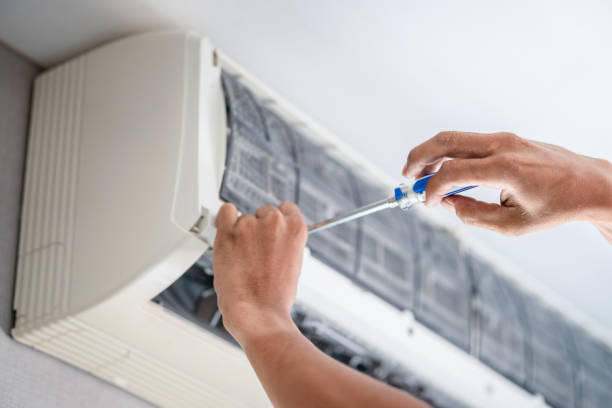
Why mini-split repair matters in Orange County, FL
Orange County’s hot, humid summers and frequent storms put constant demand on cooling systems. Mini-splits are popular here for their zoning flexibility, high efficiency, and minimal ductwork, but they also face unique stresses:
- High humidity encourages condensate and corrosion issues in drain pans and coils.
- Frequent use increases wear on compressors, fan motors, and electronic controls.
- Coastal salt air and urban pollutants accelerate corrosion on outdoor units in some areas.
- Severe weather and power irregularities during hurricane season can cause electrical faults and sensor damage.
Timely repair prevents minor faults from becoming full system failures that disrupt comfort, increase energy bills, and shorten equipment life. Van Eddies Heating & Air Conditioning focuses on repairs that restore performance while keeping future reliability and indoor air quality in mind.
Common mini-split problems in Orange County homes
Understanding typical symptoms helps you recognize trouble early. The most common mini-split issues our technicians diagnose include:
- Refrigerant leaks
Signs: reduced cooling, frost on the evaporator coil, hissing noises, increased run times. Florida’s high cooling demand exposes leaks faster; low refrigerant also increases compressor stress. - Compressor failures
Signs: outdoor unit not starting, loud humming or clicking, system trips breaker. Compressors can fail from age, refrigerant-related liquid slugging, or electrical issues. - Fan motor and blower problems
Signs: weak airflow from indoor heads, strange vibrations or noises, outdoor fan not spinning. Humidity and debris build-up can accelerate bearings and motor wear. - Electrical faults
Signs: tripped breakers, intermittent operation, unresponsive control boards. Lightning, power surges during storms, and faulty wiring can damage controls and capacitors. - Sensor and thermostat issues
Signs: inaccurate temperature control, short cycling, error codes on indoor unit. Thermistor failures or misaligned sensors produce incorrect readings and inefficient operation. - Drainage and condensate problems
Signs: water leaking from indoor unit, moldy smells, water stains on ceilings or walls. High indoor humidity and clogged drain lines cause backups and secondary water damage. - Refrigerant line and insulation damage
Signs: sweating lines, loss of efficiency, visible wear on line sets. UV exposure, rodents, and pest activity can damage insulation and piping. - Control communication failures
Signs: systems won’t link, zone heads operate independently, error codes. Poor communication between indoor and outdoor units often stems from wiring or control board faults.
Diagnostic and troubleshooting process: step-by-step
A professional, methodical inspection is essential to accurately identify the root cause and prescribe the right repair. Typical diagnostics follow this sequence:
Initial system history and symptom review
- Ask about the unit’s behavior: when symptoms started, recent storms, noises, error codes, or service history.
- Determine which zones or heads are affected to narrow the scope.
Visual and safety inspection
- Check outdoor unit for debris, corrosion, damaged fins, rodent activity, and proper clearances.
- Inspect indoor heads for cleanliness, condensate stains, and physical damage.
- Verify disconnects, breakers, and visible wiring for signs of overheating or loose connections.
Electrical testing
- Measure voltage and amp draw on compressors and fan motors.
- Test capacitors, contactors, relays, and control boards for proper operation.
- Inspect safety devices and fuses.
Refrigerant and pressure checks
- Connect gauges and measure system pressures against manufacturer specifications and ambient temperature.
- Look for pressure imbalance, which often indicates leaks or a failing compressor.
- Perform leak detection using electronic detectors, dye, or nitrogen pressure testing when safe and appropriate.
Airflow and coil inspections
- Measure static pressure and airflow at indoor heads.
- Inspect and evaluate indoor coils and outdoor condenser coil for dirt, biological growth, or blockages.
- Check blower wheel alignment and motor bearings.
Drainage evaluation
- Test condensate drain lines for flow and clogs.
- Inspect and clean condensate pans and trap areas to prevent overflow and microbial growth.
Control and sensor verification
- Test thermistors, PCB communications, and remote/thermostat functions.
- Confirm software and firmware settings where applicable.
Operational run test
- Run system through cooling and heating cycles to observe start-up, steady state, and shutdown behavior.
- Monitor for short cycling, erratic operation, or unusual noises.
Each step narrows the likely causes and guides the technician to a recommended repair plan emphasizing lasting solutions and system safety.
Typical repair solutions and parts replacement
Once diagnostics identify the fault, technicians will select repairs that restore function and prevent imminent recurrence. Common repair actions include:
- Refrigerant leak repair and recharge
- Locate leak source via electronic detectors or dye.
- Replace or braze failed line sections, valves, or coil components, replacing O-rings and fittings with refrigerant oil compatible parts.
- Evacuate and pressure-test the system to ensure integrity, then recharge to manufacturer specification and verify performance.
- Compressor service or replacement
- Check for mechanical and electrical failures. Where possible, replace only the failing component; when the compressor is seized or unrepairable, install a factory-recommended replacement with correct oil and refrigerant.
- If replacing a compressor, evaluate system age and refrigerant type to determine whether a partial or full system replacement is the best long-term solution.
- Fan motor and blower repairs
- Replace worn bearings, motors, or fan blades.
- Balance and secure blower wheels to eliminate vibration and noise.
- Clean or replace filters and indoor coil fins as needed to restore airflow.
- Electrical and control repairs
- Replace damaged capacitors, contactors, relays, or circuit boards.
- Repair or rewire failed connections, upgrade surge protection where appropriate, and address any unsafe wiring.
- Reset and recommission controls after repair to factory settings.
- Sensor and thermostat replacement
- Replace faulty thermistors, limit switches, or remote sensors.
- Recalibrate or replace wall controllers and remotes, and verify zone communication.
- Drain line and condensate pan repairs
- Clear or replace clogged drain lines, clean pans, and install condensate pumps where gravity drainage is inadequate.
- Treat internal drip pans to inhibit microbial growth and prevent recurring odors.
- Refrigerant line and insulation repair
- Replace damaged line sets, re-insulate with UV-resistant materials, and secure lines to minimize wear from vibration or rodents.
Parts are selected to match manufacturer specifications, prioritizing genuine OEM components when available to retain system efficiency and warranty coverage. When multiple repairs are likely to fix a symptom but one offers greater long-term reliability, the recommendation will favor durability.
Emergency and rapid-response considerations in Orange County
Mini-split failures during Orange County’s hottest months or at night create urgent comfort and safety concerns. Emergency response typically centers on:
- Prioritizing systems that impact health, such as configurations serving infants, elderly residents, or medically vulnerable occupants.
- Temporary measures such as short-term cooling heads, portable dehumidifiers, or targeted repairs to restore minimal function until a full repair is possible.
- Safe isolation of electrical faults to prevent fire risk while stabilizing the residence.
- Coordinating parts and refrigerant availability in the region to reduce downtime.
Rapid-response repairs are focused on restoring safe operation quickly, followed by comprehensive diagnostics to prevent repeat breakdowns. Factors that influence response strategy in Orange County include local parts inventories, traffic patterns, and storm-related resource constraints.
Warranty expectations and workmanship assurances
When undergoing mini-split repair, understanding warranty coverage helps set expectations:
- Manufacturer warranty: Many components such as compressors and major assemblies are covered by manufacturer limited warranties for a set period. Warranty coverage depends on the product model, installation history, and whether OEM parts are used for repairs.
- Labor and workmanship warranty: Professional service providers typically offer a limited labor warranty for repairs performed. This covers specific replacement parts and workmanship for a stated period following repair. Confirm the scope and duration of labor warranties and whether follow-up diagnostics are included for repeat failures.
- Warranty-impact considerations: Third-party repairs using non-OEM parts may affect manufacturer warranty status. Proper documentation of service and parts used is essential for warranty claims.
Van Eddies Heating & Air Conditioning documents diagnostic findings, parts installed, and service performed to support warranty processes and to maintain clarity about coverage for both equipment and labor. Transparency around warranty terms reduces surprises if additional issues arise.
Preventive maintenance and tips to avoid future breakdowns
A proactive maintenance approach extends mini-split life and prevents many emergency repairs. Key preventive measures for Orange County properties include:
- Regular filter cleaning or replacement every 1 to 3 months depending on occupancy and air quality. Clogged filters force systems to work harder and can cause coil freezing.
- Annual professional tune-up that includes coil cleaning, refrigerant pressure checks, electrical tightening, and condensate drain inspection. Twice-yearly checks may be warranted for high-use or coastal installations.
- Keep outdoor units free from debris, vegetation, and mulch. Maintain at least 2 to 3 feet of clearance to ensure airflow and reduce corrosion risk from landscaping chemicals.
- Inspect and re-insulate refrigerant lines to prevent sweating and energy loss. Replace foam insulation that is cracked or degraded by UV exposure or pests.
- Install surge protection or evaluate electrical service stability, particularly after severe storms, to protect control boards and sensitive electronics.
- Monitor for early signs: unusual noises, odors, increased energy use, or slow cooling. Early service can prevent more costly component failures.
- For coastal or high-salinity environments, schedule corrosion prevention inspections more frequently and consider protective coatings for outdoor components.
Simple homeowner steps like maintaining clearances and replacing filters complement professional maintenance to keep systems operating efficiently in Florida’s climate.
The benefits of timely, professional mini-split repair
Prompt, expert repair restores comfort and preserves system value:
- Restored cooling and heating performance improves occupant comfort and productivity in homes and businesses.
- Repairing refrigerant leaks and electrical faults promptly reduces energy use and prevents additional component damage.
- Proper repairs and OEM parts help retain manufacturer warranties and protect system lifespan.
- Addressing condensate and airflow problems improves indoor air quality and reduces mold and moisture-related damage.
- Professional diagnostics prevent unnecessary part replacements by targeting root causes rather than symptoms.
Van Eddies Heating & Air Conditioning emphasizes repairs that balance immediate performance restoration with long-term reliability, leveraging experienced technicians familiar with the common stresses Orange County systems face. Good repair practices not only return your mini-split to service quickly but also reduce the likelihood of repeat visits.
What to expect during a professional repair visit
A structured service visit ensures safety, clarity, and effective resolution:
- Technicians will review symptoms and any prior service history before beginning the inspection.
- After completing diagnostics, they will explain the issue, recommended repairs, and any warranty implications in plain language.
- Repairs proceed with attention to code compliance, refrigerant handling regulations, and proper disposal of failed components.
- Technicians will run the system post-repair through multiple cycles to confirm stable operation and improved performance.
- Documentation of work performed, parts used, and any recommended future maintenance is left for the homeowner or facility manager.
This transparent, professional process reduces uncertainty and ensures repairs are durable and correctly executed.
When repair may not be the best option
In some cases, replacement or system upgrade may be the smarter long-term choice:
- Systems near the end of useful life with multiple failing components often cost more to repair repeatedly than to replace.
- Refrigerant compatibility: older systems using phased-out refrigerants may require costly conversions or full replacement to comply with regulations.
- Significant compressor failure in an older system may indicate imminent additional failures.
- Systems with inadequate capacity, outdated efficiency levels, or chronic problems due to improper initial sizing or installation may benefit from a modern, higher-efficiency replacement.
A professional diagnostic will include evaluation of system age, expected remaining life, parts availability, and long-term operating costs to help determine whether repair or replacement best meets your needs.
Documenting and tracking system health
Keep a simple record to help technicians and protect warranties:
- Note the unit model, serial numbers, and installation date.
- Keep copies of service reports, parts replaced, and warranty paperwork.
- Record any intermittent issues and their timing, which can help identify patterns tied to weather, power events, or usage.
These records simplify future diagnostics and support warranty claims when applicable.
Maintenance Plan
Heat Pump/ AC Tune-Up

Furnace Tune-Up
Customer Testimonials