



Mini Split Repair in Seminole County, FL



Mini Split repair in Seminole County, FL is a specialized HVAC service that addresses problems with ductless systems commonly used in homes and small commercial spaces across the region. Van Eddies Heating & Air Conditioning provides diagnostic-driven repairs that focus on restoring comfort quickly while protecting system efficiency and longevity. In Seminole County, where long, humid summers and frequent seasonal storms place extra demand on ductless systems, timely and professional mini-split repair prevents small issues from becoming major failures.
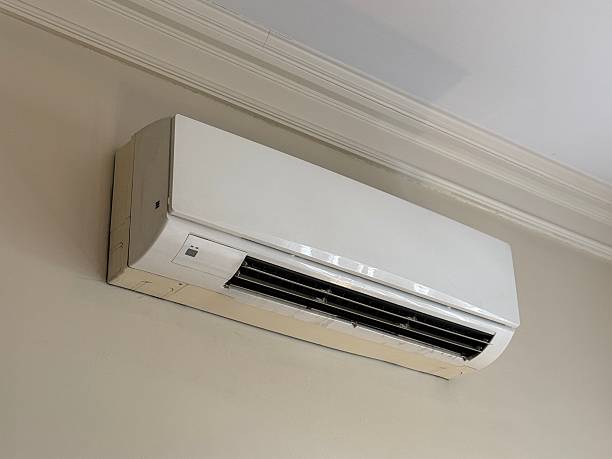
Why timely mini-split repair matters in Seminole County
Seminole County homes face sustained heat and high humidity for much of the year. Mini-splits run longer and work harder to control indoor temperatures and moisture. When a mini-split underperforms or fails, the result is higher energy bills, uncomfortable indoor environments, and potential indoor air quality concerns from moisture buildup. Fixing problems early protects components like the compressor and inverter, reduces the risk of refrigerant leaks, and prevents costly replacements later. Van Eddies Heating & Air Conditioning emphasizes repairs that restore system reliability while keeping operating efficiency high.
Common mini-split failure symptoms in Seminole County homes
Recognizing the common symptoms makes it easier for homeowners and property managers to seek repair before damage escalates:
- Loss of cooling or heating capacity: Unit runs but fails to reach or maintain setpoint.
- Short-cycling or long runtimes: System starts and stops frequently or runs continuously without achieving comfort.
- Refrigerant leaks: Decreased pressure, hissing sounds, oil residue on line sets or indoor coil.
- Strange noises: Grinding, screeching, clanking, or rattling from the indoor or outdoor unit.
- Weak airflow: Reduced or uneven air distribution from wall-mounted or ceiling cassette heads.
- Frozen indoor evaporator coil: Visible ice, often from low refrigerant or restricted airflow.
- Electrical issues: Tripped breakers, burnt connection smells, or control board faults.
- Sensor or control failures: Thermostat or remote not responding, inconsistent temperature readings.
- Water or condensate problems: Overflowing drain pans, leaks around indoor units, or condensate pump failure.
- Outdoor unit not running: Fan or compressor failure after storms or power events.
Diagnostic steps used for professional mini-split repair
A thorough diagnosis determines the correct repair path and prevents unnecessary work. Van Eddies Heating & Air Conditioning follows a structured diagnostic procedure aimed at accurate, transparent problem identification:
- Visual inspection: Technicians examine indoor heads, outdoor condenser, line set insulation, wiring, and mounting hardware for obvious signs of wear, leaks, or damage.
- System history and symptom review: Technicians ask about when the problem began, recent service history, and any related electrical events or storm exposure.
- Electrical checks: Voltage and amperage are measured at key components to identify failing motors, capacitors, contactors, or circuit problems.
- Refrigerant pressure testing: Gauges and temperature readings are used to determine charge condition and identify low charge or overcharge issues.
- Leak detection: Electronic detectors, ultraviolet dye, and soap testing are used as needed to find refrigerant leaks on line sets, fittings, or the indoor coil.
- Evaporator and condenser inspection: Coil condition, airflow obstructions, and fin damage are assessed.
- Control and communication validation: Technicians verify remote, thermostat, or wall controller signals and inspect control boards and communication wiring for faults.
- Operational testing: The system is run through heating and cooling cycles to observe behavior under load and confirm repairs.
These diagnostic steps typically take between 45 minutes and two hours depending on system access, number of indoor heads, and the complexity of the fault. The goal is a precise diagnosis that leads to a reliable repair plan.
Typical mini-split repair tasks explained
Professional mini-split repair covers a broad range of tasks. Each repair is performed using proper tools and refrigerant-handling practices in compliance with regulations.
- Refrigerant leak repair and recharge: Locating and repairing the leak, evacuating and testing the system, then recharging to the manufacturer-specified refrigerant type and charge level. Proper leak repair is essential to prevent repeat failures and protect the compressor.
- Compressor replacement: When a compressor fails mechanically or electrically, replacement requires recovery of refrigerant, removal of the outdoor compressor assembly, and brazing of line sets. Compressor repairs often include new receiver drier and system evacuation before recharge.
- Fan motor replacement: Outdoor condenser fan or indoor blower motors can fail due to age, debris, or electrical stress. Replacement restores proper heat exchange and airflow.
- Capacitor and contactor repairs: Start and run capacitors or contactors can fail, causing motors to struggle or not start. Replacing these electrical components is a common and effective repair.
- Inverter board and control PCB service: Modern mini-splits rely on inverter electronics and communication boards. Diagnosing and replacing defective boards restores variable-speed operation and precise temperature control.
- Thermostat or controller replacement: Faulty wall controllers or remotes, sensor failures, or miscalibrated thermostats are replaced or recalibrated to restore accurate control.
- Expansion device or TXV replacement: Problems with refrigerant metering devices create imbalance between evaporator and condenser performance; replacing the expansion device corrects charge and superheat conditions.
- Condensate pump and drain line repair: Clogs, broken pumps, or improper drain slopes lead to water damage and sensor shutdowns. Cleaning, pump replacement, and drain re-routing are common fixes.
- Line set and insulation repair: Damaged or deteriorated insulation reduces efficiency and can lead to condensation or heat transfer problems. Proper insulation replacement improves performance.
- Coil cleaning: Dirty evaporator or condenser coils reduce heat transfer. Professional coil cleaning restores efficiency and reduces wear on the compressor.
- Wiring repairs and breaker checks: Corroded or loose connections are tightened or replaced and breakers evaluated to ensure proper protection.
Each task is performed using industry-standard techniques for brazing, vacuuming, leak testing, and charging. Technicians follow refrigerant recovery and handling rules to protect systems and the environment.
What to expect: typical timelines for mini-split repairs
Repair timelines vary with the issue severity, parts availability, and number of indoor units served by the outdoor condenser.
- On-site diagnostics: 45 minutes to 2 hours. This includes system checks, pressure tests, and electrical measurements.
- Minor repairs and part swaps: 1 to 3 hours. Items like capacitors, fan motors, control boards, or condensate pumps are often fixed same-day if parts are on hand.
- Refrigerant leak repair and recharge: 2 to 6 hours. Locating leaks can be time-consuming. Repairs include leak sealing, recovery, evacuation, and recharge.
- Major component replacement: 1 day to multiple days. Compressor or outdoor condensing unit replacements may require ordering parts. If parts are available locally, a same-day or next-day repair is common; custom or back-ordered parts extend timelines.
- Multi-head conversions or complex electrical upgrades: Several days. Work that involves significant wiring, new communication lines, or multiple indoor units requires more planning.
Throughout repair scheduling and execution, technicians document findings and recommended work so property owners understand the scope and expected timeline.
Warranty, parts, and reliability considerations
Understanding warranties and part choices helps homeowners make informed decisions about repairs and long-term maintenance.
- Manufacturer parts and warranties: Many mini-split manufacturers include limited parts and compressor warranties ranging from one to ten years depending on the brand and registration. Repaired or replaced components may retain or alter warranty conditions depending on manufacturer approval.
- Aftermarket parts: Quality aftermarket components can be effective for older systems where OEM parts are unavailable. However, OEM parts typically ensure better compatibility and warranty continuity.
- Labor warranties: Professional repair providers often offer limited labor warranties on repairs for a defined period. Confirm the scope and duration before work begins.
- Documentation: Proper paperwork, including parts invoices, warranty registration, and service reports, should be provided after repair. These records help with future warranty claims and resale value.
- Reliability focus: Wherever possible Van Eddies Heating & Air Conditioning recommends repairs that restore original performance, use quality components, and address root causes rather than symptoms to reduce repeat visits.
Emergency and after-hours repair situations
Seminole County homeowners frequently report system failures during heat waves or after storm events. Emergency repair capability matters because extended downtime during hot, humid weather can be harmful to comfort and property.
- After-hours response: Technicians trained to evaluate and stabilize systems during off-hours can provide temporary fixes to restore basic cooling or heating until full repairs can be completed.
- Priority stabilization: Emergency visits often focus on restoring airflow, clearing condensate backups, bypassing failed controllers, or providing temporary power fixes to prevent further damage.
- Safety first: Technicians prioritize electrical safety and refrigerant containment during emergency work and provide clear guidance on whether continued operation is advisable until permanent repairs are scheduled.
Emergency responses vary by provider capacity and parts availability, and a technician will typically document the emergency stabilization actions and recommend a follow-up repair plan.
Preventive maintenance and tips to avoid future breakdowns
Regular maintenance is the most effective way to prevent unexpected mini-split failures and keep systems running efficiently in Seminole County conditions.
- Schedule routine tune-ups: Biannual maintenance—before the cooling and heating seasons—keeps components clean, charges checked, and electrical connections tight.
- Clean or replace filters monthly: In high-use seasons, monthly cleaning of washable filters or replacement of disposable filters prevents airflow restriction and maintains indoor air quality.
- Keep outdoor units clear: Trim vegetation and remove debris at least three feet around the outdoor condenser. Seminole County storms and pollen can clog coils and reduce efficiency.
- Inspect line set insulation: Replace cracked or missing insulation to prevent efficiency losses and condensate problems.
- Maintain proper drain flow: Clear condensate lines and confirm slope. Install or test condensate pumps and float switches where applicable.
- Monitor performance: Note unusual noises, odors, or changes in run time and schedule a diagnostic before problems worsen.
- Use the correct refrigerant: If repairs or retrofits are needed, ensure the correct refrigerant type and charge are used according to manufacturer specifications.
- Protect electrical components: Consider surge protection for outdoor units to reduce damage risk from frequent Florida storms and power fluctuations.
- Balance usage: Avoid overburdening a single head by distributing load across zones when possible for longer system life.
Simple attention to these items reduces the frequency of repairs, improves efficiency, and prolongs system life.
How weather and regional factors affect mini-split performance in Seminole County
Seminole County experiences extended hot seasons, high humidity, and periodic severe storms. These factors influence mini-split wear patterns:
- Extended runtime during summer increases wear on compressors, motors, and electronics.
- High humidity increases condensate load; clogged drains and pump failures are more likely.
- Storms and power surges can damage inverter boards and control electronics.
- Pollen, dust, and airborne debris can clog filters and coils more frequently than in drier climates.
- Salt air is less of an issue compared to coastal counties, but corrosion can still occur on older outdoor units.
Repair strategies and maintenance schedules are adjusted to account for these regional realities to maximize reliability.
Benefits of professional mini-split repair by experienced technicians
Choosing an experienced provider like Van Eddies Heating & Air Conditioning delivers several advantages for homeowners and businesses in Seminole County:
- Accurate diagnosis reduces unnecessary repairs and cost.
- Proper refrigerant handling protects equipment and complies with environmental regulations.
- OEM and high-quality aftermarket parts restore performance and reliability.
- Trained technicians use correct tools and testing equipment to balance refrigerant charge and airflow for peak efficiency.
- Comprehensive repair documentation and warranty handling protect owners long-term.
- Preventive recommendations and maintenance plans are tailored to local climate and usage patterns.
Professional repair not only restores comfort but also safeguards HVAC investment over the long run.
What to document and expect after a repair
After repairs are completed, expect clear documentation that includes:
- Description of the problem and diagnostic findings.
- Parts replaced and any serial numbers for warranty.
- Tests performed and measured outcomes like pressures, temperatures, and amperage.
- Recommended follow-up actions, including scheduled maintenance intervals.
- Warranty terms covering parts and labor where applicable.
Keeping this documentation helps with future service, warranty claims, and home resale transparency.
Maintenance Plan
Heat Pump/ AC Tune-Up

Furnace Tune-Up
Customer Testimonials