



Mini Split Repair in Winter Park, FL



Mini-split systems have become a common choice for Winter Park, FL homes because they provide efficient, zoned cooling and heating without ductwork. When a ductless mini-split fails, it quickly affects comfort, indoor air quality, and energy bills. Van Eddies Heating & Air Conditioning understands the pressures Florida homeowners face during long, humid cooling seasons and frequent storm events.
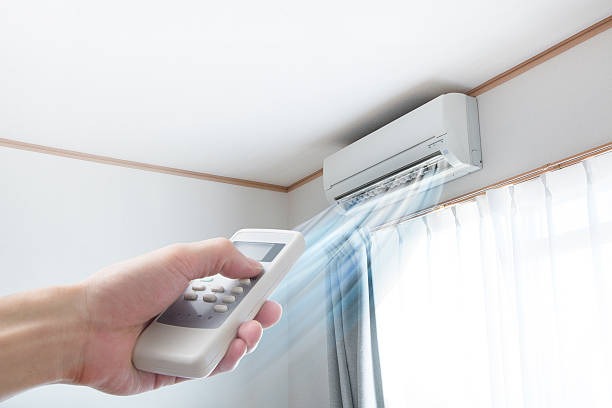
Why mini-split repair matters in Winter Park, FL
Winter Park sees hot, humid summers with frequent rain and occasional severe weather. That climate amplifies common mini-split stressors:
- High run times increase wear on compressors, inverters, fans, and electronic components.
- Humidity causes more frequent coil condensation and potential for mold or corrosion in indoor and outdoor units.
- Thunderstorms and power surges can damage control boards and inverters.
- Salt and airborne particulates in some areas accelerate outdoor unit corrosion.
Because mini-splits are often installed in visible living spaces, failures are immediate and disruptive. Prompt, expert repair preserves efficiency, extends equipment life, and reduces the likelihood of more costly replacements later.
Common mini-split problems in Winter Park, FL
Most mini-split calls fall into a predictable set of failure modes. Recognizing the symptoms helps homeowners decide next steps.
- Loss of cooling or heating
- Unit runs but does not reach setpoint, or it blows warm air in cooling mode.
- Causes include low refrigerant, failed compressor, stuck reversing valve on heat pumps, or blocked airflow.
- Refrigerant leaks
- Gradual loss of performance, frost on the evaporator, or hissing noises.
- Small punctures, brazed joint failures, or corrosion in lines are common leak sources.
- Compressor or inverter faults
- Outdoor unit hums, tries to start, then trips on overload; error codes related to inverter or compressor.
- Issues range from electrical faults, shorted windings, to failed inverter boards.
- Fan and motor problems
- Indoor or outdoor fans not running, noisy bearings, or inconsistent airflow.
- Contaminants, worn bearings, or capacitor failures are typical.
- Electrical and control problems
- Unit will not power on, remote control unresponsive, or repeated fault codes.
- Bad capacitors, relays, fuses, control board failures, or wiring damage from rodents or storms.
- Drain and moisture problems
- Overflowing drain pans, water stains, or indoor unit leaking.
- Clogged drain lines, improper slope, or clogged condensate pumps.
- Airflow and indoor comfort issues
- Uneven temperatures between zones, weak airflow, or noisy indoor units.
- Dirty filters, ductless unit placement, or refrigerant charge issues can cause these symptoms.
Diagnostic and troubleshooting process
Professional diagnosis is a methodical process. Technicians follow structured steps to find the root cause rather than chasing symptoms.
- Initial intake and symptom verification
- Gather information on exactly what is happening, when it started, any recent power events, and prior repairs or maintenance.
- Visual inspection
- Inspect indoor and outdoor units, line sets, disconnects, filters, drain lines, and mounting hardware for visible damage, corrosion, or blockages.
- Error code retrieval and interpretation
- Modern mini-splits store fault codes. Technicians retrieve these to narrow down likely subsystems involved.
- Electrical checks
- Verify power at the disconnect, measure voltage and amperage to compressors and fan motors, check capacitors, relays, and control boards for proper operation.
- Refrigerant and pressure testing
- Measure refrigerant pressures and temperatures under operating conditions to determine if charge is correct, restricted, or low due to a leak.
- Leak detection
- Use electronic leak detectors, UV dye inspection, or nitrogen pressurization with soap testing to locate refrigerant leaks safely and accurately.
- Airflow and thermal measurements
- Measure static pressure and temperature splits across evaporator coils and check blower operation to confirm airflow and heat exchange are within expected ranges.
- Mechanical and component evaluation
- Test fans, inverter boards, compressors, reversing valves, and thermostatic expansion devices as needed.
This diagnostic sequence prevents unnecessary parts replacement and identifies whether a repair, refrigerant recovery, component replacement, or a full system replacement is the best course.
Typical repair procedures and parts replacement
Once the problem is identified, a clear repair plan is implemented. Common repair procedures include:
- Refrigerant leak repair and recharge
- Isolate, repair, and pressure-test the leak site, evacuate and recover old refrigerant, vacuum the system to required micron levels, then recharge to manufacturer specifications.
- Parts: brazing material, replacement line segments, flare fittings, service valves, and new drier/accumulator.
- Compressor and inverter repair or replacement
- Diagnose if the compressor or inverter board is faulty. Replace failed inverter or compressor assembly if repair is not possible.
- Parts: compressor or inverter module, contactors, isolators, and related mounting hardware.
- Fan motor and blower repairs
- Replace indoor blower motors, outdoor condenser fans, or fan blades as needed. Balance and secure components to eliminate vibration and noise.
- Parts: fan motors, fan blades, capacitors, bearings, belt or mount hardware.
- Control board and sensor replacement
- Replace failed PCB or sensors that produce erroneous readings or prevent the unit from operating.
- Parts: control boards, temperature sensors, remotes, and receiver modules.
- Drain and condensate system service
- Clear clogged drain lines, replace condensate pumps, reseal drain pans, and restore proper slope.
- Parts: condensate pumps, PVC piping, traps, and pan sealant.
- Electrical repairs
- Replace burned connectors, fuses, contactors, or damaged wiring and ensure proper weatherproofing and strain relief on outdoor units.
- Parts: fuses, contactors, wiring, disconnect switches, and surge protectors.
- Coil cleaning and casing repair
- Clean evaporator and condenser coils, treat for biological growth, and replace damaged cabinet panels or louvers to restore airflow and heat transfer.
- Parts: coil cleaning agents, replacement panels, insect screens, and protective coatings.
Technicians prioritize repairs that restore safe operation and efficiency. When parts are replaced, original equipment manufacturer (OEM) parts are recommended when available to preserve performance and warranty coverage.
Safety and refrigerant-handling practices
Handling refrigerant and repairing sealed system components requires compliance with safety and environmental standards. Professional technicians follow these practices:
- EPA Section 608 compliance
- Only certified technicians perform refrigerant recovery, recycling, and reclamation. Proper documentation of refrigerant handling is maintained.
- Safe evacuation and recovery
- Use certified recovery machines and vacuum pumps to remove refrigerant and moisture. Reclaim or dispose of refrigerant following regulations.
- Leak repair before recharge
- Technicians repair leaks and pressure-test the system to prevent repeated refrigerant losses and ensure long-term reliability.
- Proper brazing and leak-proofing
- Use nitrogen purge during brazing to prevent oxidation in lines, and pressure-test joints after repairs.
- Electrical safety
- De-energize circuits before working, use lockout-tagout procedures where appropriate, and verify proper grounding and bonding.
- Refrigerant type considerations
- Match refrigerant type to system specifications. Many mini-splits use modern refrigerants like R-410A; older units may use R-22 which is subject to tighter controls.
- Personal protective equipment
- Use gloves, eye protection, and appropriate ventilation when handling chemicals or brazing.
Adherence to these practices protects homeowners, technicians, the equipment, and the environment.
Expected response times and availability
Response time expectations depend on the severity of the problem and parts availability. Typical timeframes for mini-split repair services in Winter Park, FL are:
- Emergency failures affecting whole-home comfort
- Same-day or next-business-day service is commonly prioritized when multiple zones are impacted or there is a complete loss of cooling during hot weather.
- Non-emergency repairs
- Diagnostics and scheduled repairs are usually completed within 24 to 72 hours depending on technician schedules and parts needs.
- Parts-dependent repairs
- If a repair requires special-ordered compressor, inverter, or coil assemblies, lead times vary from a few days to multiple weeks depending on OEM stock and freight.
Technicians typically provide an upfront estimate of timeline after completing the diagnostic phase. Weather events, storms, and supply chain constraints can affect typical response windows, especially in a high-demand climate like central Florida.
Warranties and guarantees
Warranty coverage is an important factor at the decision stage. Typical warranty structures you may encounter include:
- Manufacturer warranties
- OEM parts like compressors, inverters, and coils often carry manufacturer warranties ranging from five to ten years depending on make and model and whether registration requirements are met.
- Parts and labor warranties
- Repair providers may offer a limited warranty on parts and labor. Typical workmanship guarantees range from 30 to 365 days depending on company policy and the complexity of the repair.
- Warranty documentation
- Proper documentation of parts replaced, refrigerant quantities, and repair procedures helps preserve manufacturer warranties and aids future service.
Van Eddies Heating & Air Conditioning works within manufacturer warranty guidelines and documents repairs and parts to maintain warranty integrity whenever possible.
Pricing guidelines and what affects cost
Exact pricing depends on diagnostic findings, parts required, and the complexity of the repair. Factors that commonly influence mini-split repair costs include:
- Nature of the failure
- Simple fixes like capacitor or filter replacements are low-cost. Compressor, inverter, or coil replacements are higher-cost repairs.
- System age and refrigerant type
- Older systems using phased-out refrigerants may involve higher costs due to limited parts availability. Systems with R-22 may require retrofits or conversion work.
- Accessibility and installation complexity
- Units in tight spaces, high on walls, or with long line sets increase labor time for removal and replacement.
- Parts availability and brand
- OEM versus aftermarket parts have cost impacts. Specialty items and long-lead components add to expense.
- Multiple zone systems
- Multi-zone mini-splits may require additional components or more complex diagnosis when faults cross zone lines.
- Urgency and after-hours service
- Emergency or after-hours service typically carries higher labor rates.
Transparent pricing at the diagnostic stage helps homeowners make informed choices between repair, partial replacement, or full system replacement depending on long-term value.
Preventive maintenance to avoid future breakdowns
Regular maintenance is the best defense against unexpected failures, especially in a climate like Winter Park where mini-splits work hard for much of the year.
- Biannual inspection and tune-up
- Schedule at least one cooling season check and one heating season check. During these visits technicians inspect electrical components, test operating pressures, and clean coils.
- Clean or replace filters regularly
- Homeowners should clean washable filters monthly in high-use periods and replace disposable filters as recommended by the manufacturer.
- Keep outdoor units clear
- Maintain at least 2 feet of clearance around outdoor condensers, remove vegetation, and clear debris after storms.
- Check drain lines and pans
- Clear condensate lines and verify proper drainage to prevent overflow and mold issues.
- Inspect for pests and rodent damage
- Small animals can damage wiring and drain lines. Address entry points and check lines annually.
- Monitor for early warning signs
- Strange noises, reduced airflow, higher energy bills, or frequent cycling indicate a need for inspection before a failure becomes catastrophic.
- Use surge protection
- Install whole-home or dedicated surge protection to reduce the risk of inverter and control board damage from lightning and power surges.
Regular maintenance improves efficiency, reduces operating costs, and extends the life of mini-split systems operating in Florida climates.
When repair is not the best option
Some conditions make replacement a more cost-effective and reliable choice than repair:
- Repeated failures or extensive corrosion
- If the outdoor unit or major components are corroded, ongoing issues are likely and replacement may be prudent.
- Major compressor failure on an older system
- If compressor replacement cost approaches or exceeds system replacement cost, consider upgrading to a modern, higher-efficiency system.
- Obsolete refrigerant or parts unavailable
- When parts are no longer manufactured, a retrofit or full replacement may be required to ensure reliable future service.
- Poor overall efficiency or frequent breakdowns
- Systems with declining performance and high repair frequency often justify replacement for improved comfort and long-term savings.
Technicians can provide an objective comparison of repair costs versus replacement value, taking into account energy savings and expected remaining life.
Typical repair workflow technicians follow
A consistent, professional workflow ensures safe, reliable repairs and clear communication with homeowners.
On-site arrival and safety assessment
- Confirm power off if needed, inspect for hazards, and explain initial findings.
Diagnostic testing
- Run through the diagnostic steps including error code retrieval, electrical testing, and refrigerant checks.
Written estimate
- Provide an itemized estimate that separates diagnostic fee, parts, and labor when possible.
Approval and scheduling
- Proceed with repairs according to homeowner preference and parts availability.
Repair and verification
- Complete repairs, evacuate and recharge refrigerant if applicable, and verify operation under load with repeat measurements.
Documentation
- Record parts replaced, refrigerant charges, and system performance data for warranty and future reference.
Post-repair advice
- Offer maintenance suggestions and signs to monitor to help prevent recurrence.
This workflow protects the homeowner and ensures repairs are traceable and performed to professional standards.
Why choose experienced technicians in Winter Park
Local climate, building types, and installation practices make experienced, locally minded technicians advantageous. Technicians familiar with Winter Park will understand:
- How prolonged humidity affects coil performance and condensate handling.
- Typical installation locations and how to access them safely.
- Local code nuances regarding wiring, condensate management, and outdoor unit siting.
- Seasonal patterns that affect demand and likely failure modes.
Van Eddies Heating & Air Conditioning combines local knowledge with technical training to diagnose and repair mini-splits efficiently while documenting work to maintain warranties and compliance.
Maintenance Plan
Heat Pump/ AC Tune-Up

Furnace Tune-Up
Customer Testimonials