



Mini Split Replacement in Lake Nona, FL
Discover why replacing your Mini Split system in Lake Nona improves comfort, lowers energy bills, and enhances indoor air quality. Learn the signs and benefits.



When your home in Lake Nona is fighting long, humid summers and rising energy bills, a properly selected and installed mini split system can restore comfort, reduce operating costs, and control indoor humidity without major ductwork. Van Eddies Heating & Air Conditioning specializes in mini-split replacement in Lake Nona, FL, advising homeowners when replacement is the smarter choice than repair, sizing systems for real-life conditions, and managing the full project from equipment removal to final commissioning.
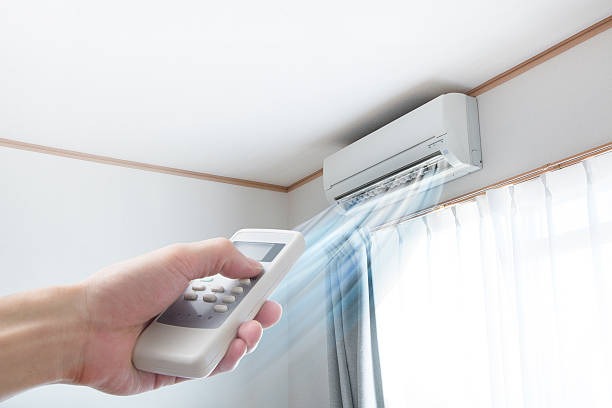
Why consider mini-split replacement in Lake Nona
- Lake Nona experiences a humid subtropical climate with long cooling seasons, high humidity, and frequent afternoon storms. Older mini-splits or inefficient systems struggle to maintain comfort and remove moisture effectively.
- New inverter-driven mini-splits offer much better part-load efficiency and humidity control compared with older on/off compressors, which translates to lower monthly energy bills across long summers.
- Replacement delivers more than capacity: improved indoor air quality, quieter operation, modern control options (Wi Fi-enabled thermostats and zoning), and compatibility with low-GWP refrigerants and new rebates.
Common signs replacement is preferable to repair
- System age is over 10 to 12 years: As mini-splits age, refrigerant leaks become more likely, compressors and electronics fail more often, and efficiency declines. Frequent repairs over the last 12 to 24 months generally indicate replacement will be more economical.
- Recurrent refrigerant leaks or compressor failure: Multiple refrigerant repairs, or a failed compressor, are expensive and often signal the end of useful life.
- Declining cooling capacity and poor dehumidification: If indoor spaces remain muggy even when the system runs, the unit may be oversized, undersized, or simply past efficient operation.
- Rapidly rising utility bills despite similar usage: Reduced efficiency of an older unit typically shows up in higher energy consumption.
- Obsolete refrigerant or parts availability issues: Older refrigerants are being phased out. If your mini-split uses a discontinued refrigerant or replacement parts are hard to source, replacement is the practical pathway.
- Unusual noises, frequent cycling, or intermittent operation: These symptoms may be repairable, but if they recur after repairs, replacement is often the better long-term investment.
How we determine repair versus replacement
- Comprehensive diagnostic: A technician inspects the outdoor and indoor units, measures refrigerant pressure and superheat/subcooling, checks electrical components, and tests airflow and temperature differentials.
- Cost-to-value analysis: We compare the estimated cost of necessary repairs and the remaining expected life of the system against replacement options that deliver higher efficiency and warranties.
- Future-proofing: If a repair will restore operation but still leave the home with an inefficient system that will soon need replacement, choosing replacement now avoids repeated service calls and provides immediate efficiency gains.
Sizing and efficiency considerations for Lake Nona homes
- Load calculation (Manual J): Prop
erreplacement begins with a room-by-room load calculation. Lake Nona’s heat gain is influenced by high outside humidity, solar gain through large windows, and local home construction practices. Accurate sizing prevents short cycling and maintains humidity control. - Importance of right-sizing: Oversized mini-splits cool quickly but short-cycle, reducing dehumidification and increasing wear. Undersized units run continuously and cannot reach setpoints. Inverter-driven systems provide more flexibility by operating at partial load, but correct nominal sizing remains essential.
- SEER, HSPF, and efficiency metrics: Seasonal Energy Efficiency Ratio (SEER) and Heating Seasonal Performance Factor (HSPF) indicate cooling and heating efficiency respectively. Lake Nona residents should prioritize higher SEER ratings for long cooling seasons to achieve lower annual operating costs.
- Inverter technology and variable-speed compressors: Modern mini-splits use inverter-driven compressors that adjust speed to demand. This improves comfort, reduces cycling, and enhances humidity control—advantages that pay off in Lake Nona’s hot, humid climate.
- Indoor unit selection: Choose the right indoor head type (wall-mounted, ceiling cassette, floor-mounted) for airflow patterns, aesthetics, and placement. In rooms with moisture concerns, units with enhanced drainage and corrosion-resistant coatings are preferable.
- Distribution and airflow: Proper mounting height, clearances, and unobstructed airflow are vital. For Lake Nona homes with open floor plans or high ceilings, placement affects both comfort and efficiency.
Single-zone versus multi-zone replacement options
- Single-zone systems: Ideal for adding climate control to a single room, sunroom, garage conversion, or as a targeted upgrade for a problematic area. Benefits include lower upfront cost and fast installation. Limitations include lack of whole-home control and potential imbalance if used alongside central systems.
- Multi-zone systems: Consist of one outdoor unit connected to multiple indoor heads (up to several rooms). Perfect for Lake Nona homes where you want individualized temperature control across bedrooms, living spaces, or second-floor zones. Advantages include:
- Precise room-by-room control and energy savings by conditioning only occupied spaces.
- Reduced duct dependence, which helps homes with compromised or nonexistent duct systems.
- Better comfort control in multi-story or open-plan homes with varied cooling needs.
- Multi-outdoor or hybrid solutions: For larger homes, multiple outdoor units or combining mini-splits with existing central systems can balance performance, redundancy, and cost.
- Which to choose: The decision depends on your goals—single-room comfort, whole-home zoning, retrofit limitations, and budget. Proper load calculations and home walkthroughs determine the optimal configuration.
Removal and disposal of old equipment
- Safe refrigerant recovery: Federal and state regulations require certified refrigerant recovery to prevent release of refrigerants to the atmosphere. Technicians will reclaim refrigerant using EPA-approved equipment before removing the unit.
- Responsible disposal and recycling: Old outdoor units contain metals and components that are recyclable. Electronics and oil must be handled per environmental regulations. Van Eddies Heating & Air Conditioning follows local Orange County and Florida guidelines for disposal and recycling.
- Permits and code compliance: Replacement installations often require local permits and inspections. For Lake Nona, which is developing rapidly, permitting ensures systems meet county codes, safety standards, and energy requirements.
- Site protection and cleanup: During replacement, surfaces are protected, and debris is removed. All old equipment is disposed of or recycled following local regulations and best practices.
Energy-efficient models, refrigerants, and available rebates
- Modern model features to consider:
- High SEER and HSPF ratings for lower seasonal energy use.
- Advanced inverter compressors for wider modulation range.
- Low-GWP refrigerants and factory leak detection features.
- Enhanced filtration and optional heat recovery or multi-function capabilities for improved indoor air quality.
- Smart controls with Wi Fi integration and scheduling to reduce wasted runtime.
- Refrigerant trends: Manufacturers increasingly use lower global warming potential (GWP) refrigerants and designs that reduce leak potential. Replacement choices should factor in long-term refrigerant availability and environmental impact.
- Rebates and incentives: Homeowners in Lake Nona may qualify for:
- Manufacturer rebates on select high-efficiency mini-splits.
- Utility-sponsored rebates for energy-efficient cooling equipment.
- Federal or state tax incentives for certain heat pump systems or high-efficiency installations.
- Local municipality or county programs for energy improvements.
- How rebates affect replacement choices: Choosing a model that meets rebate requirements can improve the economics of replacement. Many incentives require properly documented installation, specific efficiency thresholds, and certified installers.
Financing options and warranty considerations
- Financing options commonly available:
- Energy-efficiency financing programs that spread payments over months or years.
- Contractor-arranged payment plans and third-party lenders offering low or deferred interest.
- Home equity and personal loan alternatives for longer-term financing.
- Utility-sponsored or state programs that offer financing tied to energy savings.
- What to expect from warranties:
- Manufacturer warranties typically cover compressors and major components for 5 to 10 years; parts warranties can vary.
- Some manufacturers offer extended warranties when equipment is registered promptly after installation.
- Labor warranties may be offered by the installing contractor for a set period after installation to cover workmanship.
- Warranty transferability: Some warranties can transfer to new homeowners, which may increase resale value.
- Documenting warranties and rebates: Keep installation records, equipment serial numbers, and permit documentation for warranty claims and rebate applications. A professional installation includes these records and explains warranty coverage.
Typical project timeline: from estimate to commissioning
- Initial estimate and consultation (1 to 7 days to schedule): A site visit includes a Manual J load calculation, visual inspection, and discussion of goals (comfort, efficiency, aesthetics). The estimate outlines recommended equipment, zone layout, and timeline.
- Equipment selection and ordering (1 to 21 days): Once a model is chosen, lead times vary by manufacturer and model. High-demand models or special-order units can take longer. Consider seasonal demand in Lake Nona—spring and early summer see higher lead times.
- Permitting and approvals (3 to 14 days, variable): Local permitting processes depend on Orange County regulations and Lake Nona development authority requirements. Permits are submitted and approved before installation begins.
- Site preparation (same-day to 1 day): Preparations include creating outdoor unit location, selecting mounting hardware or pad, and preparing indoor mount locations. Existing ductwork or electrical modifications are assessed.
- Removal of old equipment and refrigerant recovery (0.5 to 1 day): Certified technicians recover refrigerant, disconnect wiring and lines, and safely remove the old unit for recycling.
- Installation of new mini-split (1 to 3 days): Typical residential multi-zone installs take 1 to 3 days depending on complexity, indoor head locations, electrical work, and line set routing. Larger or multi-story homes may require additional time.
- Electrical and mechanical hookups (same-day as installation): Dedicated electrical circuits, disconnect switches, and any needed circuit upgrades are completed and inspected if required by code.
- Commissioning, testing, and owner walkthrough (0.5 to 1 day): Technicians check refrigerant charge, airflow, operation across modes, and smart control integration. A walkthrough explains basic operation and maintenance recommendations.
- Final inspection and documentation (1 to 7 days): Local inspectors may verify code compliance. Once passed, any applicable rebates or warranty registrations can be completed with the provided documentation.
Maintenance and long-term care after replacement
- Regular maintenance extends lifespan and preserves efficiency:
- Clean or replace filters per manufacturer guidance, typically every 1 to 3 months for high-use rooms.
- Annual professional inspection and tune-up to check refrigerant levels, electrical components, drain lines, and coils.
- Keep indoor heads free from obstructions and maintain clear outdoor unit clearances to ensure airflow.
- Humidity and IAQ management: Pairing mini-splits with whole-house dehumidification or proper ventilation strategies helps control Lake Nona’s humid summers and reduces the chance of mold growth in poorly ventilated spaces.
- Monitoring performance: Track energy usage and comfort levels after replacement. Modern systems with smart controls often provide runtime and performance data to help identify issues early.
Benefits of timely mini-split replacement in Lake Nona
- Improved comfort and humidity control in a hot, humid climate.
- Reduced energy bills with higher SEER/HSPF and inverter-driven operation.
- Enhanced indoor air quality with better filtration and reduced duct-related contaminants.
- Zoned comfort for different rooms and schedules, reducing wasted conditioning.
- Lower risk of mid-season failures and emergency repairs when a newer system replaces an aging unit.
- Eligibility for rebates and incentives when replacing with qualifying high-efficiency equipment.
What Van Eddies Heating & Air Conditioning brings to your replacement
- Local experience: Familiarity with Lake Nona construction types, climate impacts, and Orange County permitting requirements.
- Full-service management: From load calculations, equipment selection, and permitting to certified refrigerant recovery, installation, commissioning, and documentation for rebates and warranties.
- Attention to humidity control and IAQ: Recommendations that consider Lake Nona’s high humidity—ensuring your replacement improves both temperature and moisture comfort.
- Transparent documentation: Clear paperwork for warranty registration and rebate applications, plus a maintenance plan approach to protect your investment.
Maintenance Plan
Our comprehensive 21-point Tune-up maintenance plan ensures your systems run smoothly year-round, with regular check-ups and priority support.
Heat Pump/ AC Tune-Up
Our Heat Pump/AC Tune-Up ensures peak performance by cleaning coils, checking refrigerant, lubricating parts, and inspecting electrical components. This boosts energy efficiency, extends system life, prevents breakdowns, and lowers utility bills while maintaining optimal home comfort year-round.
Sign Up Today!

Check And Adjust Thermostat As Needed
Check Filter; Replace/Wash As Needed
Check Voltages
Check All Wiring And Connections
Check Starting Contractor
Check All Capacitors
Measure All Motor Amperages
Check Operation of Unit Safety Controls
Check Superheat/Hot Gas Temperature
Check Refrigerant; Charge As Needed
Check Evaporator Condition; Clean As Needed
Check For Rubbing Refrigerant Lines
Check And Clean Condenser Coil
Check Air Temperature Across Evaporator Coil
Lubricate Any Moving Parts
Check Fan Blades For Cracks
Check Condenser Temperature Rise
Check Condensate Drain Or Pump
Check Fuse Disconnects
Check Condition of Ductwork
Wax Top Of Unit
Furnace Tune-Up
Our Furnace Tune-Up optimizes heating efficiency through coil cleaning, burner inspection, airflow checks, and safety control testing. This service prevents costly repairs, enhances fuel efficiency, extends equipment lifespan, and ensures reliable warmth during cold months.
Sign Up Today!
Check And Adjust Thermostat As Needed
Check Filter; Replace/Wash As Needed
Check For Gas Leaks At Furnace
Clean Burners And Controls
Check Safety Controls; Adjust As Needed
Check Flame Sensors
Clean Equipment Interior
Check Fan Control
Check Blower Speed And Operation
Check All Wiring And Connections
Check Connection Of Flue Pipe and Draft Diverter
Check Ignition System
Check Heat Exchanger
Check Complete Furnace Cycle
Lubricate All Moving Parts
Check Pressure Switches And Vent Blower/Draft Inducer
Check Temperature Of Vent Air
Check Air Temperature Across Furnace
Check Condition Of Ductwork
Measure Carbon Monoxide
Clean Equipment Exterior
Customer Testimonials
Discover why our customers love us through their heartfelt testimonials.