


Mini Split Replacement in Metro West, FL



Replacing a failing or inefficient Mini Split is one of the most impactful home improvements you can make in Metro West, FL. With long, hot, and humid summers, homeowners rely on their cooling systems for comfort and indoor air quality. Van Eddies Heating & Air Conditioning specializes in professional Mini Split replacement that focuses on correct sizing, energy-efficient inverter technology, reliable installation, and code-compliant disposal of old equipment.
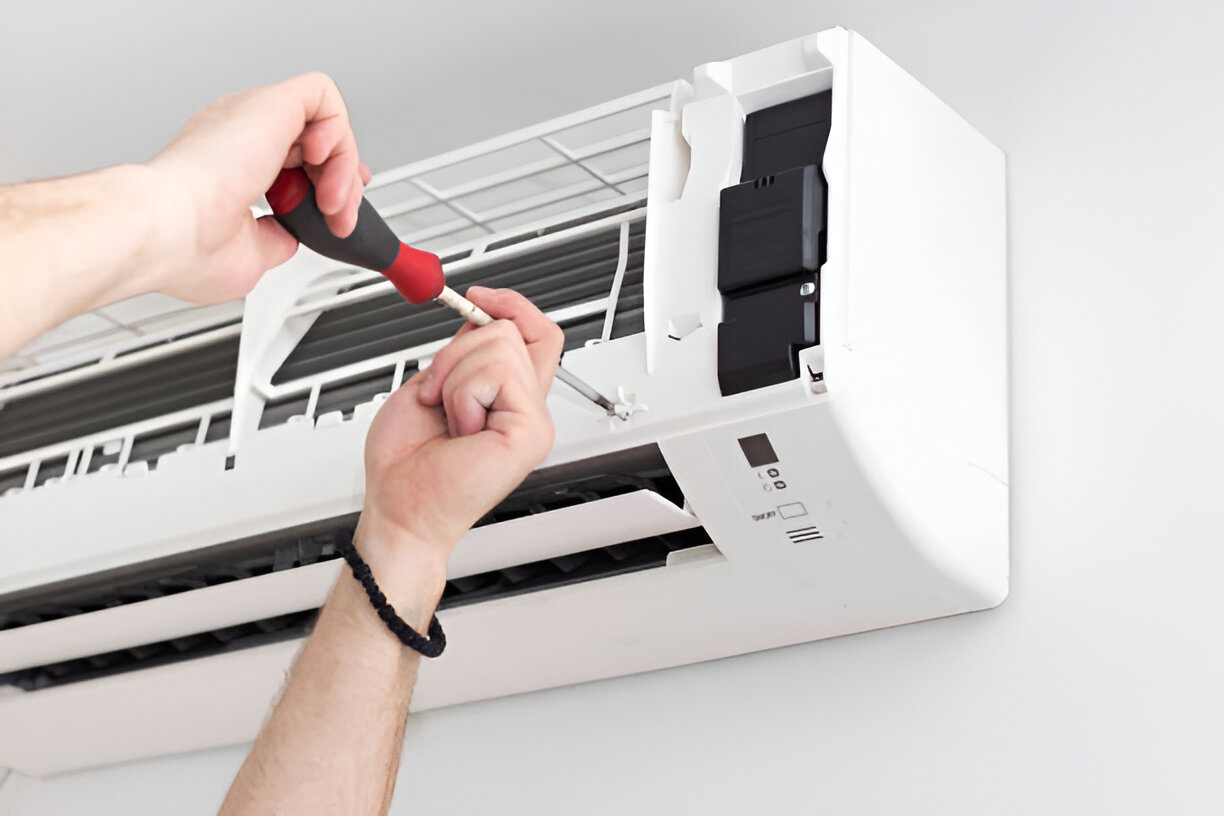
Why replace your mini-split now? Common signs and reasons
Many homeowners delay replacement because the system still cools, but the signs below show that replacement is often the smarter long-term choice:
- Repeated breakdowns and escalating repair bills. If your unit needs frequent compressor repairs, refrigerant recharges, or electronic board replacements, costs can quickly exceed replacement value.
- Age and declining efficiency. Mini-splits more than 10 to 15 years old typically operate well below modern SEER ratings and are more likely to fail. Older models also use outdated refrigerants that are expensive to service.
- Rising energy bills. If cooling costs climb despite similar use patterns, a failing or inefficient system is a likely cause.
- Poor humidity control. In Metro West humidity, an underperforming system will run longer without effectively removing moisture, leaving rooms clammy.
- Noise, vibration, or airflow problems. Louder outdoor compressors, noisy indoor heads, or reduced airflow often signal mechanical wear or failing inverter components.
- Incompatible comfort with home changes. Additions, converted spaces, or new window orientation can change load requirements, making the original mini-split undersized.
When these issues appear, a properly sized and installed replacement often restores comfort, lowers energy use, and reduces long-term maintenance headaches.
Initial evaluation and load calculations: the foundation of a correct replacement
A reliable replacement starts with a thorough evaluation. Van Eddies Heating & Air Conditioning follows industry-standard steps to determine the right system for your Metro West home:
- Home inspection and occupancy review. We assess insulation levels, window types, shading, occupancy, and how rooms are used. Metro West homes often have high solar gains in west-facing rooms that must be accounted for.
- Manual J load calculation. This calculation estimates the exact cooling load for each room or zone. Right-sizing by Manual J avoids oversized systems that short-cycle and undersized systems that run continuously.
- Electrical and structural check. We examine existing electrical service, breaker capacity, and the mounting location for outdoor condensers and indoor heads. Older Metro West properties sometimes need electrical upgrades to support multi-zone inverter systems.
- Duct and airflow evaluation when applicable. For homes with hybrid solutions (ducted plus ductless), we evaluate airflow balance and return air for optimal operation.
Accurate load calculation is essential. Correctly sized inverter mini-splits deliver better humidity control, quieter operation, and longer equipment life.
Choosing the right system: inverter technology, single-zone vs multi-zone, and efficiency
Selecting the proper replacement depends on comfort goals, physical layout, and energy priorities. Key options include:
- Inverter compressor models. Modern mini-splits use inverter-driven compressors that modulate capacity to match load. That results in fewer on-off cycles, reduced energy use, and better dehumidification compared with fixed-speed units. Inverter systems are particularly important in Florida where continuous cooling and moisture control are priorities.
- Single-zone vs multi-zone systems. Single-zone systems are efficient for single rooms, garages, or additions. Multi-zone systems connect several indoor heads to one outdoor unit, offering zoned comfort across multiple rooms while using less outdoor space. Multi-zone is ideal when homeowners want consistent comfort in living rooms, bedrooms, and home offices without installing separate condensers.
- Capacity and SEER rating. Higher SEER units are more efficient, but the biggest gains come from inverter technology and correct sizing. SEER improvements are valuable in Metro West because prolonged cooling seasons amplify savings.
- Head styles and placement. Wall-mounted heads are common, but ceilings cassettes and floor console units are available where aesthetics or ceiling layout matter. Proper placement ensures even airflow and effective dehumidification.
- Filtration and IAQ features. Upgraded filters, washable pre-filters, and optional advanced IAQ modules help improve indoor air quality in homes coping with humidity and pollen.
Choosing the right equipment is about matching technology to real needs. Van Eddies Heating & Air Conditioning balances performance, longevity, and local climate considerations to recommend the best system.
The replacement process: step-by-step
A professional replacement includes several distinct phases. Below is a typical sequence homeowners in Metro West can expect:
- Pre-installation consultation and written estimate. After the site survey and load calculation, a detailed plan outlines recommended equipment, anticipated timeline, and permits required.
- Permitting and scheduling. We pull required permits and schedule installation at a time that minimizes disruption.
- Old equipment decommissioning. The existing unit is powered down, refrigerant recovered into EPA-approved recovery cylinders, and the system is safely disconnected.
- Removal of indoor and outdoor components. Indoor heads and line sets are removed, and the outdoor condenser/condenser pad is taken out of service. Materials are prepared for recycling or proper disposal.
- Electrical and structural preparation. Any required electrical upgrades, disconnects, or pad leveling are completed. For multi-zone installations, line set routing and condensate drain planning are finalized.
- Installing the new outdoor and indoor units. Outdoor condensers are mounted on pads or brackets. Indoor heads are mounted and connected with new refrigerant line sets, wiring, and condensate drains.
- Vacuum, charge, and leak test. The new system is evacuated to remove moisture and air, then charged to manufacturer specifications. Leak tests ensure long-term reliability.
- Commissioning and controls setup. System controls, thermostats, and zone sensors are configured. Inverter systems are calibrated for optimal start-up performance.
- Final performance testing and homeowner walkthrough. We verify airflow, temperatures, humidity control, and noise levels. Documentation and warranty registration are provided.
Installation times vary. A single-zone replacement is often completed within a business day. Multi-zone systems typically require one to three days, depending on the number of indoor heads and any electrical work.
Removal and safe disposal of old equipment
Proper disposal protects your home and the environment. Van Eddies Heating & Air Conditioning follows required protocols:
- Refrigerant recovery. Technicians recover refrigerant using EPA-approved recovery machines and cylinders. R-22 or other phased-out refrigerants are handled according to federal regulations.
- Recycling of metals and components. Copper, aluminum, steel, and plastic are separated and processed through approved recycling streams.
- Hazardous materials handling. Any oils, capacitors, or electronic components are disposed of in accordance with local and federal guidelines.
- Documentation. We provide records of refrigerant recovery and disposal for homeowner files and permit requirements.
Safe disposal avoids environmental fines and prevents refrigerant release that can harm the atmosphere.
Permits, code compliance, and timeline in Metro West, FL
Permits are mandatory for most HVAC replacements in the Orlando and Metro West area. Typical points about permitting and timeline:
- Permit application. The installer submits permit documents that include system specifications, load calculations, and electrical details.
- Review period. Depending on municipal workload, permit approval can take a few days to two weeks. Metro West permitting times fluctuate with seasonal demand.
- Inspection. After installation, a local inspector verifies compliance with electrical, refrigerant, and mechanical codes. This ensures safe operation and validates warranties.
- Timeline summary. From initial assessment to final inspection, most full replacements are completed within two to four weeks when factoring in permit lead times. Urgent replacements may be expedited at times, subject to permit office availability.
Permitting protects homeowners and ensures installations meet safety and performance standards required in Florida.
Warranties, promotions, and financing options
Modern mini-split systems come with manufacturer-backed warranties and optional extended plans:
- Manufacturer warranties. Typical coverage includes parts warranties and limited compressor warranties ranging from 5 to 12 years depending on brand and model. Registration may be required to activate extended coverage.
- Labor warranties. Professional installers often provide limited labor warranties covering workmanship and installation defects for a set period. Documentation is provided at project completion.
- Promotions and financing. Van Eddies Heating & Air Conditioning lists seasonal promotions and financing solutions to help homeowners spread the investment over time. Financing terms and available promotions vary, and trained staff can clarify options during the estimate process.
- Warranty transfers and documentation. Proper paperwork is provided so future owners or inspectors can validate warranty eligibility.
Knowing warranty details before replacement helps protect your investment and provides peace of mind.
Expected energy savings and return on investment
Replacing an older mini-split or inefficient system with a modern inverter model yields measurable savings:
- Efficiency gains. Upgrading from an older fixed-speed unit or a low-SEER mini-split to a modern inverter system commonly results in 20 to 50 percent energy savings under typical usage patterns. Exact savings depend on original equipment age, household cooling hours, thermostat setback practices, and electricity rates.
- Improved runtime and reduced cycling. Inverter systems modulate capacity, which decreases on-off cycling and increases part-load efficiency. That contributes to lower monthly electricity usage and more consistent comfort.
- Humidity and comfort benefits. Better dehumidification reduces reliance on supplemental dehumidifiers and can lower perceived temperature, allowing thermostat setpoints to be a degree or two higher without sacrificing comfort.
- Payback timeframe. Many homeowners see a return on investment in three to seven years through utility savings and reduced repair costs, especially in high-use climates like Metro West.
While individual results vary, modern replacement systems are an effective long-term strategy for energy and comfort improvements in Central Florida.
Local considerations for Metro West homes
Metro West presents specific installation and performance factors:
- Climate. Central Florida humidity and extended cooling seasons place constant demand on systems. Inverter mini-splits provide better humidity control and maintain higher efficiency during long run times.
- HOA and aesthetic considerations. Many Metro West neighborhoods have association rules about outdoor equipment placement. Options like smaller multi-zone condensers, condenser screening, or wall-mounted indoor heads can address visual preferences.
- Space constraints. Townhomes, additions, and garages common in Metro West may restrict condenser placement. Professional routing of line sets and use of compact outdoor units help fit systems into tight spaces.
- Surge events and storms. Florida sees frequent storms and occasional lightning. Quality installations include appropriate electrical protection and grounding to reduce the risk of damage.
- Indoor air quality. Humid climates promote mold and allergens. Upgrading to mini-splits with enhanced filtration and ensuring proper condensate drainage reduces IAQ concerns specific to Florida homes.
Integrating these local realities into the replacement plan avoids common surprises and ensures long-term satisfaction.
Maintenance after replacement: protect performance and warranty
A new mini-split performs best with routine maintenance:
- Annual tune-up. Professional inspection and cleaning of coils, filters, electrical connections, and condensate drains preserves efficiency and identifies issues early.
- Filter care. Clean or replace washable filters regularly. In Metro West with high pollen seasons, more frequent cleaning is recommended.
- Condensate drainage. Keep condensate lines clear to prevent backups and biological growth.
- Software updates. For smart-control capable systems, keep firmware and controls updated for efficiency and reliability.
- Keep outdoor unit clear. Maintain a 24 to 36 inch clearance around the condenser for airflow and clean debris after storms.
Regular maintenance extends equipment life, maintains manufacturer warranties, and sustains energy savings.
What to expect from Van Eddies Heating & Air Conditioning during a replacement
When Van Eddies Heating & Air Conditioning replaces a mini-split in Metro West, you can expect:
- Professional site evaluation and documented Manual J load calculation.
- Clear explanation of equipment choices and why a specific inverter model or zone configuration fits your home.
- Code-compliant permitting, EPA refrigerant handling, and environmentally responsible disposal of old equipment.
- Certified installation practices, commissioning, and a homeowner walkthrough detailing operation and maintenance.
- Warranty documentation and assistance with registration and financing options, where applicable.
This structured approach reduces surprises and helps protect your investment for years to come.
Maintenance Plan
Heat Pump/ AC Tune-Up

Furnace Tune-Up
Customer Testimonials