



Mini Split Replacement in Orange County, FL



Replacing a Mini Split system is a decision that affects comfort, energy bills, and indoor air quality for years to come. In Orange County, FL, where long, hot, humid summers and frequent storm events put extra strain on cooling equipment, a correctly specified and professionally installed Mini Split replacement can restore reliable cooling, reduce energy use, and deliver zoned comfort in homes where extending or altering ductwork is impractical. Van Eddies Heating & Air Conditioning brings experienced diagnostics and replacement planning tailored to Orange County conditions, focusing on efficiency, proper sizing, code compliance, and long-term value.
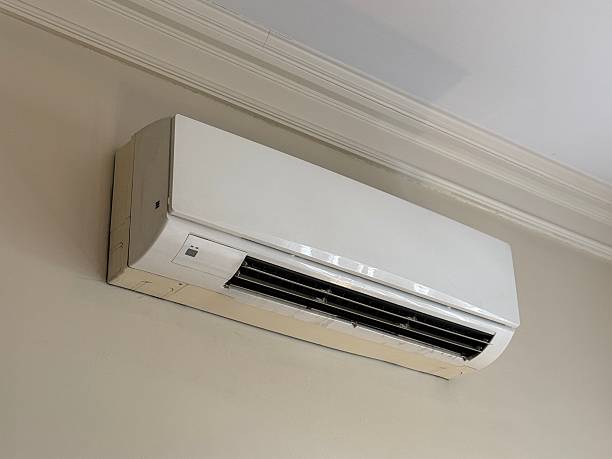
Why Orange County homes often choose mini-split replacement
- High cooling loads driven by extended warm seasons make system efficiency a top priority.
- Many older homes, additions, garages, and converted spaces do not have ductwork or have partial ducts that are costly to modify.
- Homeowners looking to reduce humidity, improve zone control, and lower operating costs favor modern inverter-driven mini-splits.
- Frequent power events during storm season and shifting electrical service needs mean older equipment may be unsafe or inefficient.
Whether you have a single failing indoor head or an outdated multi-zone system that no longer manages humidity, understanding the replacement process and expected outcomes is essential at this decision stage.
Common mini-split issues in Orange County and when replacement is recommended
- Repeated compressor failures or refrigerant leaks. Multiple repairs on compressors or the outdoor unit often justify replacement when repair costs approach replacement cost.
- Loss of cooling capacity paired with rising energy bills. Inefficient or failing compressors and aged components can cause underperformance and high operating costs.
- Non-compliant refrigerant. Older systems that use discontinued refrigerants may be uneconomical to recharge and maintain.
- Corrosion or structural damage to outdoor units from frequent storms, debris, or prolonged humidity exposure.
- Outdated single-zone systems unable to provide zoned control or the energy savings of modern inverter variable-speed equipment.
- Electrical equipment that fails to meet current code or cannot be safely integrated with modern mini-split models.
Replacement is typically recommended when a system is more than 10 to 12 years old and experiencing performance decline, when repeated major repairs are needed, or when a homeowner wants a measurable step up in efficiency and comfort.
Our assessment and diagnostic process
A well-executed replacement begins with a comprehensive assessment. Van Eddies Heating & Air Conditioning follows a methodical process to ensure the replacement is the best long-term solution for your Orange County home.
Visual and operational inspection
- Inspect indoor heads, outdoor unit, refrigerant lines, electrical connections, mounting hardware, and condensate lines.
- Evaluate indoor comfort distribution, noise, and defrost performance where applicable.
Load and efficiency evaluation
- Conduct a load calculation based on room sizes, window exposure, insulation levels, occupancy, and local climate factors to determine correct capacity. This avoids oversizing that causes short cycling and undersizing that fails to meet cooling needs.
- Review historical energy consumption and compare to expected performance of new equipment.
Refrigerant and diagnostics checks
- Test refrigerant charge, pressures, and system integrity. If the system uses legacy refrigerant, we document options and limitations for repair versus replacement.
- Diagnose control and communication problems between heads and outdoor units.
Electrical and infrastructure review
- Examine service panel capacity, dedicated circuit availability, disconnect location, and the condition of wiring and breakers.
- Determine if a new pad, condenser mounting, or line set routing is required.
Indoor air quality and drainage
- Evaluate insulation and ventilation in the conditioned space and ensure condensate handling is adequate to prevent mold and water damage.
- Recommend IAQ improvements if needed, such as upgraded filtration or dehumidification.
This thorough assessment clarifies whether a repair is sufficient or a replacement will deliver greater long-term savings, comfort, and reliability.
Energy-efficient upgrades to consider during replacement
Replacing a mini-split is an opportune time to invest in technology that reduces operating costs and improves comfort:
- Inverter-driven compressors. Variable-speed technology provides steadier temperatures, lower startup current, and better humidity control compared to fixed-speed compressors.
- Higher efficiency ratings. Choosing a unit with a higher SEER rating reduces energy use in Orange County’s extended cooling season.
- Heat pump capable models. Many mini-splits operate as heat pumps, offering efficient heating in mild winters and reducing the need for separate heating equipment.
- Advanced controls and zoning. Smart controllers, occupancy sensors, and multi-zone mapping let you tailor comfort and minimize energy wasted on unoccupied areas.
- Enhanced filtration and UV options. If indoor air quality is a priority, upgrading to higher-grade filters or UV coil cleaners during replacement helps reduce allergens and biological growth.
- Line set insulation and proper refrigerant charge. Correctly insulated and sized line sets minimize thermal loss and prevent efficiency degradation in humid conditions.
Each upgrade should be recommended based on usage patterns, building characteristics, and projected payback in Orange County’s climate.
Sizing and layout considerations for single-zone and multi-zone systems
Proper sizing and layout are critical to performance and longevity. Oversized systems short cycle and underperform at dehumidification. Undersized systems struggle to meet peak demand.
- Load calculation is king. We use room-by-room calculations that account for solar exposure, occupancy, insulation, and local humidity. This yields the correct capacity and number of indoor heads.
- Single-zone installations. Best for spaces like garages, bonus rooms, or small additions. Position the indoor head for balanced airflow and minimal obstructions. Short distance to the outdoor unit minimizes line set length and potential efficiency loss.
- Multi-zone systems. Ideal for whole homes or multiple rooms. Plan head placement to avoid competing airflows and to serve natural zones. Outdoor unit capacity must match combined loads, and control wiring or wireless panels must be configured for intuitive zone control.
- Line set routing. Minimize long runs and avoid exterior walls subject to direct sun when possible. Proper insulation and routing through conditioned space reduces condensation risks.
- Head style and placement. Wall-mounted heads are the most common, but ceiling cassette, floor-mount, or slim ducted indoor units may be preferable for certain rooms and aesthetics. Placement affects comfort, noise, and airflow patterns.
- Future expansion. If you anticipate adding zones, plan routing and outdoor unit capacity accordingly to reduce future costs.
A thoughtful layout maximizes comfort and efficiency across seasons while respecting home design and occupant habits.
Removal and disposal of old equipment
Safe removal protects your home and the environment:
- EPA-compliant refrigerant recovery. Trained technicians recover and reclaim refrigerants to meet federal and state regulations, preventing illegal venting.
- Responsible disposal. Outdoor units, old line sets, and disconnected controls are recycled or disposed of according to Orange County waste management regulations.
- Protection of the home. Technicians take care to protect flooring, landscaping, and interior finishes during removal and installation.
- Documentation. We provide records of refrigerant recovery and disposal where required for permits and warranty transfer.
Proper removal reduces environmental impact and avoids future liability for improperly disposed refrigerants or equipment.
Permits and electrical requirements in Orange County, FL
Replacement often involves local permitting and electrical work to meet safety codes:
- Permits. Most mini-split replacements require a mechanical or electrical permit through Orange County or the relevant municipal authority. Permits ensure installations meet safety and performance codes and allow for required inspections.
- Inspections. Building inspections verify proper mounting, condensate handling, electrical connections, and refrigerant work.
- Electrical upgrades. Older homes frequently require service upgrades, dedicated circuits, or updated disconnects to safely accommodate new equipment. Inverter-driven units can have lower running amps but require proper wiring and breaker sizing.
- HOA and building restrictions. Condominiums and neighborhoods may have rules about where outdoor units can be placed and how lines are routed. We document compliance and advise on acceptable placement options.
- Surge protection and disconnects. Given Florida storm patterns, properly rated surge protection and outdoor-rated disconnects protect equipment and support code compliance.
Planning for permits and electrical requirements early in the project minimizes delays and surprises.
Brands and models commonly recommended
Van Eddies Heating & Air Conditioning evaluates brands by reliability, efficiency, parts availability, and local serviceability. Commonly specified manufacturers for Orange County installations include:
- Mitsubishi Electric: Known for reliability and a wide range of indoor head options.
- Fujitsu: Efficient and quiet units suitable for residential needs.
- Daikin: Broad model range with strong warranty coverage and inverter technology.
- LG: Competitive pricing with modern control features.
- Panasonic: Solid build quality and efficient performance.
Selection is guided by required capacity, head type choices, budget, and specific performance goals like low ambient cooling or enhanced dehumidification.
Financing and rebate options for Orange County homeowners
Replacing a mini-split can be a smart investment but may require upfront planning. Homeowners should consider:
- Local utility rebates. Orange County utilities and municipal programs sometimes offer rebates for high-efficiency systems or heat pump upgrades. Requirements vary by program and often require pre-approval or post-installation documentation.
- Federal incentives. Energy and clean energy tax credits may apply to certain heat pump and energy-efficient HVAC installations. Eligibility and amounts change over time, so confirm current rules before planning.
- Financing. Multiple financing options, including energy-efficient loan programs, can spread replacement costs over time. Loan terms, eligibility, and documentation will vary by lender.
- Payback analysis. An energy audit and projected cost savings comparison helps determine the payback period for higher-efficiency equipment.
We provide documentation that supports rebate and tax credit applications, and we outline the options so homeowners can make an informed financial decision.
Warranty coverage and ongoing service
Understanding warranties and service options protects your investment:
- Manufacturer warranties. Most new mini-splits come with manufacturer-backed limited warranties on compressors, parts, and sometimes on inverter components. Warranty duration varies by brand and model.
- Labor warranties. In addition to parts warranties, labor coverage for installation may be offered by the installing contractor. Confirm what is included and for how long.
- Maintenance plans. Regular maintenance preserves efficiency, prevents breakdowns, and supports warranty compliance. Seasonal tune-ups include refrigerant checks, filter service, condensate line cleaning, and performance verification.
- Transferability. If you sell your home, some warranties may transfer to new owners if properly registered and maintained.
Documenting installation details and following recommended maintenance schedules helps keep warranties valid and equipment efficient.
Typical timeline for a mini-split replacement project in Orange County
Timelines vary by project complexity, permitting, and product availability. A typical replacement process looks like this:
- Site assessment and written recommendation: 1 to 3 days from initial visit.
- Permit application and approvals: 3 days to 2 weeks depending on local backlog and HOA coordination.
- Equipment ordering and delivery: immediate availability to 2 weeks depending on brand and model.
- Installation: 1 to 3 days for a single-zone replacement; 2 to 5 days for multi-zone systems or complex layouts.
- Final inspection and commissioning: 1 to 3 days after installation depending on inspector scheduling.
Projects that include electrical panel upgrades, structural changes, or complex line set routing may extend the timeline. Planning for permitting and parts lead times ensures realistic expectations.
Measured benefits of a properly executed replacement
- Lower operating costs. Modern inverter mini-splits deliver significant efficiency improvements that translate into lower monthly energy bills in Florida’s climate.
- Superior humidity control. Steadier compressor operation and correct sizing reduce indoor humidity, improving comfort and reducing mold risk.
- Zoned comfort. Multi-zone systems provide tailored temperatures for rooms that have different uses or occupancy patterns.
- Quieter operation. New indoor heads and variable-speed compressors run quieter than older fixed-speed units.
- Fewer emergency repairs. New equipment with proper installation and commissioning reduces unexpected failures during peak season.
- Increased home value. Replacing aging HVAC equipment with a modern, efficient system is an attractive point for buyers.
These benefits are amplified when installation follows best practices for sizing, airflow, and refrigerant charge and includes local considerations for Orange County weather patterns.
Maintenance and homeowner tips after replacement
- Schedule seasonal tune-ups. Regular inspections maintain efficiency, catch developing issues, and preserve warranties.
- Keep indoor heads and filters clean. Regular filter changes and vacuuming around units keep airflow unobstructed.
- Maintain outdoor unit surroundings. Keep vegetation trimmed and ensure adequate clearance for airflow and service access.
- Monitor for humidity. If indoor humidity remains high, review setpoints and consider supplemental dehumidification or system recalibration.
- Document performance. Keep installation records, invoices, and warranty information in one place for future service or warranty needs.
Good maintenance habits extend system life and protect the value of your replacement investment.
Why professional replacement matters in Orange County
Replacing a mini-split is more than swapping units. Proper load calculations, permitting, electrical coordination, refrigerant handling, and installation technique all determine performance and longevity. Orange County’s climate and building stock demand attention to humidity control, storm resilience, and energy efficiency. Van Eddies Heating & Air Conditioning positions these technical elements alongside homeowner goals to ensure replacement work results in reliable comfort, lower operating costs, and code-compliant installations that stand up to local conditions.
Maintenance Plan
Heat Pump/ AC Tune-Up

Furnace Tune-Up
Customer Testimonials