



Mini Split Replacement in Oviedo, FL



Replacing a Mini Split system is a high-impact decision for homeowners in Oviedo, FL. With hot, humid summers and the occasional extreme heat event, a well-sized, modern ductless Mini Split can dramatically improve comfort, reduce energy use, and cut noise compared with aging equipment. Van Eddies Heating & Air Conditioning brings experienced, code-aware replacement work to Oviedo homes, helping residents decide when replacement is preferable to repair, which system type best fits their needs, and what to expect during removal and installation.
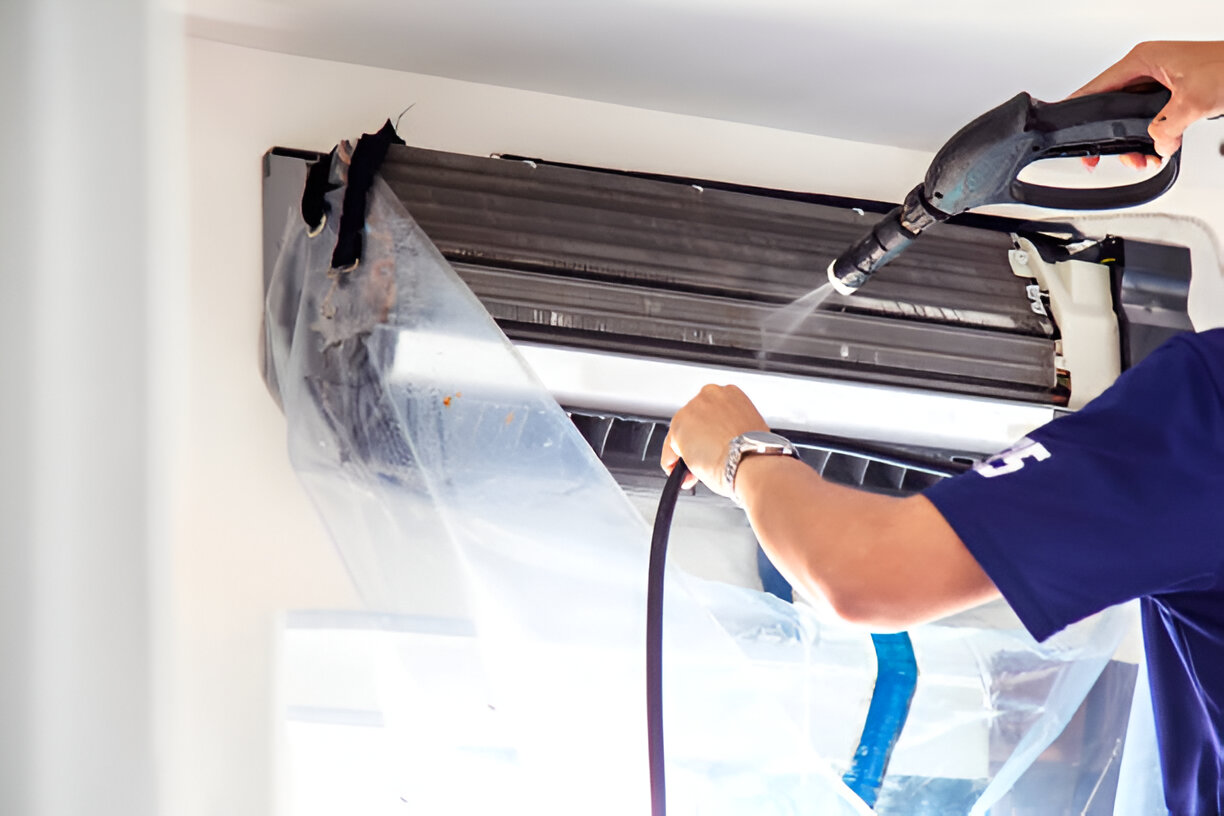
Why replace a mini-split instead of repairing it
Replacing rather than repairing a mini-split is often the smarter long-term move when several of these conditions apply:
- The system is more than 10 years old and uses outdated compressor or refrigerant technology.
- Repairs are frequent or costly compared with the remaining expected life of the unit.
- Cooling capacity no longer matches current needs due to changes in home layout, insulation, or occupancy.
- Efficiency has declined, raising monthly energy bills during Florida’s long cooling season.
- Critical components such as the compressor or inverter are failing, which often represents a large share of replacement cost.
- The indoor unit or outdoor condensing unit is excessively corroded, damaged by storms, or poses a safety concern.
Replacing a worn-out mini-split can deliver improved reliability, better humidity control in Oviedo’s humid climate, and modern features like variable-speed compressors and smart controls that reduce operating costs and improve comfort consistency.
Common mini-split problems that point to replacement
- Poor cooling performance despite recent repairs.
- Repeated refrigerant leaks or refrigerant that is no longer approved.
- Excessive noise from the compressor or indoor air handler.
- Rising energy bills without an increase in use.
- Short cycling or inability to maintain set temperature during peak heat.
- Visible rust, cracked fan blades, or degraded refrigerant lines.
If you encounter multiple issues above, replacement will often produce a better return on investment than patch repairs, particularly when factoring in Florida’s high cooling demands.
Choosing the right replacement system for Oviedo homes
Selecting the correct mini-split involves matching the system to home layout, local climate conditions, and comfort goals. Key factors include capacity, efficiency, zoning strategy, and indoor unit style.
Capacity and sizing
- Use a heat gain and loss calculation (Manual J) to determine cooling needs. Proper sizing prevents short cycling, reduces humidity problems, and extends equipment life.
- Oversized systems cool quickly but do not remove humidity adequately, which is especially problematic in Oviedo’s humid summers. Undersizing results in constant run time and poor comfort.
- Environmental factors in Oviedo, such as older single-pane windows or unconditioned attics, can increase load and should be considered during sizing.
Efficiency and SEER ratings
- SEER (Seasonal Energy Efficiency Ratio) remains a primary metric for cooling efficiency. Higher SEER ratings generally mean lower energy use during the long Florida cooling season.
- Consider inverter-driven, variable-speed compressors rather than fixed-speed models. Inverter technology adjusts output to match load, improving comfort, efficiency, and quiet operation.
- In humid climates like Oviedo, look for equipment with good dehumidification performance as well as high SEER to reduce indoor moisture and mold risk.
Single-zone vs multi-zone systems
- Single-zone mini-splits serve one room or area and are ideal for additions, garages, or single problematic rooms.
- Multi-zone systems connect multiple indoor heads to a single outdoor unit. They are a strong choice for whole-home ductless conversion, older homes without ducts, or when different rooms require independent temperature control.
- Consider layout, how rooms are used, and where occupants spend most time when selecting single- or multi-zone configurations.
Indoor unit types and placement
- Wall-mounted units are common and cost-effective for many Oviedo homes.
- Ceiling cassette and floor-mounted indoor units are good options when wall space is limited or for more even distribution.
- Placement matters for airflow and filtration. Position units to minimize direct drafts while ensuring effective air circulation.
Removal and disposal of old systems
Replacing a mini-split requires safe, code-compliant removal and disposal of the old equipment:
- Refrigerant recovery: Technicians must recover refrigerant from the outdoor unit using EPA-approved recovery equipment and procedures. This step follows federal and state rules for refrigerant handling.
- Disconnect and decommission: The outdoor and indoor units are disconnected, electrical feeds safely isolated, and refrigerant lines evacuated.
- Removal of mountings and pads: Outside condenser pads, wall brackets, and line set penetrations are removed or capped. Exterior finishes are restored where feasible.
- Disposal and recycling: Refrigerant cylinders, metal components, and plastics are disposed of or recycled according to local regulations. Many parts are recyclable, and providers should document proper disposal methods.
- Documentation: Proper paperwork confirming refrigerant recovery and disposal is maintained for warranty and compliance reasons.
In Oviedo, coordination with local building departments may be required for permit verification and disposal standards, particularly after storm damage or when electrical upgrades accompany the replacement.
The replacement process step by step
A transparent, structured process sets expectations and avoids surprises. Typical steps include:
Initial assessment and load calculation
- Inspect existing system, measure rooms, assess ductwork (if present), and perform Manual J load calculation.
- Discuss comfort goals, occupancy patterns, and budget preferences.
System selection and proposal
- Compare manufacturer options, energy ratings, indoor unit styles, and warranty packages.
- Present single- vs multi-zone recommendations tailored to floor plan and usage.
Permitting and scheduling
- Secure any required permits. Electrical upgrades or structural modifications may require additional approvals.
Removal of old equipment
- Recover refrigerant, remove indoor/outdoor units, and prepare the site for installation.
Installation of new system
- Install outdoor unit on an elevated pad or bracket, route new line sets, and mount indoor units with proper condensate management.
- Perform electrical work, including dedicated circuits, disconnects, and grounding according to code.
Charging, balancing, and testing
- Evacuate and charge the refrigerant precisely, test airflow and system pressures, and verify electrical loads.
- Measure temperature splits and verify dehumidification and capacity.
Walkthrough and documentation
- Provide system documentation, operating instructions, and maintenance guidance. Confirm warranty registration and any manufacturer requirements.
Expected timeline for mini-split replacement in Oviedo
- Assessment and selection: Usually completed within a few days to one week depending on scheduling and complexity.
- Permitting: Varies by jurisdiction; simple replacements may require minimal permitting while multi-zone projects could take longer.
- Removal and installation: Small single-zone swaps are often completed in one working day. Multi-zone installations typically require one to three days depending on number of indoor units, line set complexity, attic or ceiling access needs, and any electrical work.
- Final testing and homeowner orientation: Completed the day of installation or the following day.
Timeline factors unique to Oviedo include permitting cadences with Seminole County or local municipalities, post-storm permit surges, and contractor availability during peak summer months.
What affects replacement cost (without pricing specifics)
Several factors influence the overall investment required for replacement:
- Number of zones and indoor units.
- Capacity and SEER rating selected.
- Type of indoor units (wall, cassette, floor).
- Complexity of runs for line sets and electrical wiring.
- Need for electrical panel upgrades or new circuits.
- Structural work such as new mounting brackets or roof/attic access.
- Ductwork modification or integration with existing HVAC when hybrid systems are created.
- Required permits and inspections.
- Manufacturer warranty level and optional extended parts and labor plans.
Because costs vary widely based on these variables, homeowners should expect estimates to reflect the specifics of their property and system choices rather than a one-size-fits-all price.
Rebates, tax credits, and financing options
Upgrading to a high-efficiency mini-split may qualify you for incentives that reduce net cost and improve payback:
- Federal energy efficiency tax credits periodically reward qualifying heat pumps and high-efficiency equipment. Eligibility depends on system efficiency and program rules at the time of installation.
- State and local utility rebates may be available through Florida programs or local energy providers for qualifying high-efficiency units and heat pump technologies.
- Manufacturer promotions and dealer financing options can make replacement more accessible by spreading payments over time or combining incentives.
- Energy efficiency programs often require proof of installation by licensed professionals and submission of specified documentation. Keep invoices, product specifications, and permit paperwork for any rebate or tax credit claims.
Always verify current program availability and eligibility details at the time you plan your replacement. Van Eddies Heating & Air Conditioning can provide information on common incentives and required documentation as part of the planning process.
Benefits of upgrading your mini-split in Oviedo
Upgrading to a modern mini-split yields measurable benefits for Florida homeowners:
- Energy savings: Modern inverter-driven systems with high SEER ratings operate more efficiently and can reduce monthly cooling costs across long hot seasons.
- Improved humidity control: Better dehumidification performance reduces indoor moisture, leading to greater comfort and lower mold risk in Oviedo’s humid climate.
- Enhanced comfort: Variable-speed compressors and improved airflow deliver more even temperatures and fewer hot or cold spots.
- Quieter operation: Newer indoor heads and outdoor units are noticeably quieter, improving sleep and daily comfort in living areas.
- Zoned control: Multi-zone mini-splits allow different temperatures for bedrooms, living areas, and home offices, minimizing energy use in unused spaces.
- Smaller footprint: Ductless systems avoid significant ductwork, which is especially useful in older Oviedo homes or additions where installing ducts is impractical or costly.
- Rapid recovery after storms: Modern units with robust surge protection and properly elevated outdoor units are better positioned to recover from storm-related power events.
- Air quality improvements: Many indoor heads include advanced filtration options that reduce airborne particulates and allergens, which helps families sensitive to allergens and improves overall indoor air quality.
Installation considerations unique to Oviedo, FL
- Hurricane preparedness: Position outdoor units on elevated pads or secure brackets and consider protective measures for severe weather. Properly mounted units reduce debris damage during storms.
- Salt and corrosion: While Oviedo is inland relative to coastal areas, humidity still increases corrosion risk. Choose corrosion-resistant coatings for outdoor coils and consider more frequent inspections.
- Attic and roof access: Many Oviedo homes have limited wall space; ceiling-cassette units or creative routing through attics may be necessary. Ensure attic insulation and ventilation are considered during planning to limit heat gain.
- Permits and inspection cycles: Local permitting practices can affect scheduling. Factor in potential inspection windows when planning replacement, particularly during peak seasons or after major storm events.
Maintenance and long-term care after replacement
To protect your investment and maintain efficiency:
- Schedule regular maintenance: Annual or biannual tune-ups keep refrigerant levels correct, filters clean, and coils free of debris.
- Clean or replace filters quarterly depending on use and indoor air quality needs.
- Keep outdoor units free of vegetation and debris, and ensure condensate drains are clear to prevent leaks and mold growth.
- Follow manufacturer service intervals for coil cleaning, refrigerant checks, and electrical inspections.
- Address minor issues early to avoid more costly breakdowns, especially before Oviedo’s hottest months.
Proper maintenance maximizes the system’s life, preserves efficiency, and keeps warranties valid.
Why trust a professional for replacement
Mini-split replacement requires technical skills in load calculation, refrigerant handling, electrical work, and correct refrigerant charging. Licensed technicians ensure:
- Accurate sizing and configuration to match your home’s needs.
- EPA-compliant refrigerant recovery and proper disposal of old equipment.
- Electrical installations that meet code and protect your home.
- Manufacturer warranty registration and commissioning that qualifies for rebates and credits when applicable.
Van Eddies Heating & Air Conditioning has experience working in Oviedo and Seminole County conditions, bringing local knowledge of climate effects, permitting practices, and installation best practices to each replacement job.
Maintenance Plan
Heat Pump/ AC Tune-Up

Furnace Tune-Up
Customer Testimonials