



Mini Split Replacement in Willis, TX



Replacing a failing or outdated Mini Split system is a major decision for Willis, TX homeowners. The hot, humid climate in Montgomery County places heavy demand on cooling equipment and makes system efficiency and reliability a top priority. Van Eddies Heating & Air Conditioning specializes in Mini Split replacement in Willis, TX, focusing on right-sized systems, compliant installations, and long-term performance.
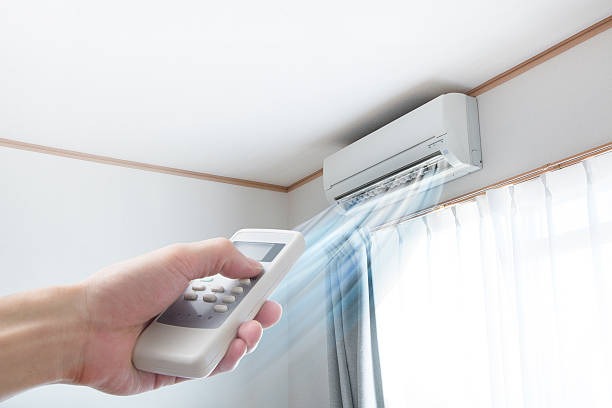
Why replace a mini-split in Willis, TX now
Willis experiences long cooling seasons, high humidity, and frequent temperature swings. Mini-splits are popular here because they provide zoned comfort and can save energy compared with inefficient window units or poorly balanced central systems. Still, even ductless systems age and underperform. Replacing a mini-split becomes the right move when:
- The system is older than 12 to 15 years and shows declining performance. Older compressors and control electronics become less reliable and less efficient.
- You have repeated breakdowns or frequent repairs. If repair costs are approaching half the value of a new system within a short period, replacement often offers better long-term value.
- Energy bills are rising despite regular maintenance. Diminished compressor efficiency, refrigerant leaks, or aged fans can cause high electrical use.
- The system does not maintain consistent comfort in Willis humidity and heat. Short cycling, weak airflow, or inability to dehumidify are signs it cannot meet load.
- New usage patterns or home changes require different zoning. Added living spaces or remodels often mean the old layout no longer matches needs.
- The unit uses an older refrigerant that is phased down. Replacing with a modern refrigerant reduces environmental impact and future service complications.
Recognizing these signs early helps avoid emergency replacements during hot spells and ensures you select a system built to handle local climate demands.
Common mini-split problems that lead to replacement
- Refrigerant leaks that are chronic or unrecoverable.
- Compressor failure or tripping due to age and wear.
- Electronic control board failures or obsolete parts.
- Major corrosion of outdoor condenser in coastal or humid environments.
- Degraded inverter technology causing poor efficiency.
- Indoor air handlers failing to dehumidify or circulate properly.
When these problems recur or when repair frequency and cost rise, planned replacement reduces disruption and often improves comfort and energy costs.
Types of mini-split systems and which works for Willis, TX homes
Selecting the right mini-split starts with understanding the types available:
- Single-zone mini-split
- One outdoor condenser paired with a single indoor air handler.
- Best for individual rooms, garages, workshops, or small additions.
- Good option when only one area needs improved comfort or when matching a single high-load room.
- Multi-zone mini-split
- One outdoor unit connected to two or more indoor heads.
- Ideal for whole-house zoning, open floor plans with distinct temperature needs, or multi-room retrofits.
- Offers centralized outdoor equipment with individualized control in each zone.
- Ductless heat pump mini-split (heating and cooling)
- Provides both cooling and supplemental heating, extending year-round comfort.
- Helpful in Willis during cool nights and brief winter periods where gas heat is not available or desired.
- Cooling-only systems
- Focus strictly on air conditioning. Consider these only if heating needs are met separately.
Which system fits best depends on layout, existing ductwork, and comfort goals. Many Willis homes benefit from multi-zone inverter-driven systems that balance efficiency and humidity control across living spaces.
Why inverter technology and SEER/EER matter
Modern mini-splits commonly use inverter-driven compressors. An inverter adjusts compressor speed to match precise load, providing:
- Better humidity control in humid climates like Willis.
- Reduced short cycling and quieter operation.
- Lower energy consumption at partial loads, which represents typical home usage.
SEER and EER ratings indicate seasonal and steady-state efficiency. For Willis, TX:
- SEER (Seasonal Energy Efficiency Ratio) shows overall seasonal efficiency. Higher SEER means lower running costs across cooling season.
- EER (Energy Efficiency Ratio) measures efficiency at a specific operating point and is useful for peak load comparisons.
Look for inverter mini-splits with high SEER and competitive EER ratings to reduce electricity bills during long cooling seasons. Van Eddies Heating & Air Conditioning recommends systems with efficiency ratings that meet or exceed current ENERGY STAR benchmarks and local code requirements.
Assessment and accurate sizing: the foundation of a reliable replacement
Proper sizing avoids the two most common installation mistakes: undersizing and oversizing.
- Undersizing
- Leads to continuous runtime, poor humidity control, and premature wear.
- Causes increased energy use and reduced comfort during Willis heat waves.
- Oversizing
- Causes short cycling, poor humidity removal, and inefficient operation.
- Short cycling increases electrical stress and can reduce component life.
A professional replacement always begins with a room-by-room load assessment. While some companies rely on rule-of-thumb tonnage per square foot, Van Eddies Heating & Air Conditioning uses a thorough approach that includes:
- A simplified Manual J style load evaluation tailored to the home.
- Assessment of insulation levels, window area and orientation, shading, and building envelope airtightness.
- Consideration of occupancy, internal heat gains, and appliance loads.
- Evaluation of existing electrical capacity and panel space.
The result is accurate selection of system capacity for each zone and the correct match of outdoor unit to indoor heads in multi-zone systems. Proper sizing also determines line set lengths, condensate requirements, and electrical upgrades if needed.
System selection guidance: features and options to prioritize
When choosing a replacement mini-split, focus on these key attributes:
- Inverter compressor with variable-speed operation for efficiency and humidity control.
- SEER and EER ratings appropriate for long-term utility savings.
- Compatible indoor head styles: wall-mounted, floor console, ceiling cassette, or concealed ducted — selected based on aesthetics and airflow needs.
- Sound level: look for low sones for both indoor and outdoor units to reduce noise in neighborhood settings.
- Smart controls and individual zone thermostats for better scheduling and remote management.
- Built-in filtration or upgraded filters to improve indoor air quality.
- Durable coatings on outdoor coils to resist corrosion from humidity.
- Warranty length and terms for compressor, parts, and labor.
Balancing initial equipment cost with features that deliver long-term savings and comfort is critical in Willis, where cooling runs most of the year.
Removal and disposal of old equipment: safe, compliant practices
Replacing a mini-split requires careful removal and disposal that complies with federal and state regulations:
- Refrigerant recovery
- Certified technicians must recover refrigerant using recovery machines to meet EPA rules.
- Refrigerant is either reclaimed for reuse by certified vendors or properly disposed of through approved channels.
- Removal of outdoor condenser and indoor air handler(s)
- Units are disconnected, secured, and removed from site with protective measures to prevent property damage.
- Line sets, wall sleeves, and electrical disconnects are evaluated for reuse or replacement.
- Disposal and recycling
- Metal, plastics, and electronics are separated and sent to appropriate recycling or disposal facilities.
- Batteries in controls and components are handled per hazardous waste rules.
- Documentation
- Proper paperwork for refrigerant recovery and disposal is maintained to meet compliance and warranty requirements.
These steps protect your property, the environment, and compliance standing while preparing the site for new equipment.
Installation overview: what properly executed replacement looks like
A professional mini-split replacement follows a structured sequence to ensure code compliance and reliable operation:
- Site planning
- Confirm placement for outdoor condenser to ensure proper airflow, clearance, and minimized noise impacts on neighbors.
- Choose indoor head locations that deliver balanced airflow and avoid dead spots.
- Electrical and permit work
- Verify electrical service and circuit capacity. Install or upgrade disconnects and dedicated circuits per manufacturer requirements.
- Pull required permits and complete inspections as mandated by local codes.
- Mounting and refrigerant piping
- Use manufacturer-approved mounting brackets and supports for outdoor and indoor units.
- Install insulated refrigerant lines sized and routed for the shortest, most direct path while maintaining serviceability.
- Condensate management
- Install reliable condensate drains with traps, proper slopes, and, where needed, condensate pumps sized for Willis humidity conditions.
- Ensure drain terminations do not create plumbing hazards or attract pests.
- Electrical connections and controls
- Make secure control wire and power connections, program indoor head addressing for multi-zone systems, and integrate thermostatic controls.
- Configure smart control options based on homeowner preferences.
- Evacuation, charging, and leak testing
- Evacuate the system to required micron levels using vacuum pumps to remove moisture and non-condensables.
- Charge refrigerant per manufacturer specifications or recover and re-use existing refrigerant when allowed and verified.
- Perform electronic leak testing and pressure testing to confirm system integrity.
- Startup and commissioning
- Bring the system online, verify correct superheat and subcooling, and validate airflow and temperature differentials.
- Balance zones and explain basic controls and recommended setpoints for Willis cooling and dehumidification.
A precise installation reduces callbacks and ensures the replacement performs as expected under Willis environmental loads.
Post-replacement testing and performance verification
After installation, detailed testing confirms system performance and homeowner peace of mind:
- Temperature and airflow checks at each indoor head to verify comfort and distribution.
- Electrical load checks to ensure the system draws within safe operating ranges.
- Refrigerant charge verification using manufacturer-specific metrics such as subcooling and superheat.
- Noise and vibration assessments to confirm mounting isolates equipment sounds.
- Humidity control validation to ensure the system removes moisture effectively, which is especially important in Willis summers.
- Controller programming and user orientation so occupants understand modes, schedules, and basic troubleshooting.
Technicians document results and provide a summary of commissioning data. This testing phase is crucial for warranty activation and verifying that the system meets expected efficiency and comfort goals.
Warranties and registration
New mini-splits typically include several warranty elements. Understanding them helps protect your investment:
- Manufacturer warranty
- Covers major components such as compressor and circuit boards for specific timeframes.
- Compressor warranties often run longer than parts warranties and may vary by brand and whether the unit is registered.
- Labor warranty
- Covers the installation work performed by the contractor. Terms vary by company and job scope.
- Van Eddies Heating & Air Conditioning provides clear labor warranty terms as part of the replacement package.
- Extended or enhanced warranties
- Some manufacturers or installers offer extended coverage for an additional period or enhancements that cover certain failure modes.
- Warranty registration
- Many manufacturer warranties require registration soon after installation. Proper documentation and commissioning records help ensure claims are handled smoothly.
Always review warranty paperwork carefully and maintain service records, including invoices and commissioning reports, to simplify future claims.
Financing and promotional options
Replacing a mini-split can be a significant investment. There are several financing and promotional pathways that homeowners can consider:
- Manufacturer or dealer financing programs that spread payments over months to years.
- Seasonal promotions or special offers that reduce out-of-pocket costs or bundle maintenance.
- Energy incentive programs or rebates that may apply to high-efficiency systems and qualifying equipment.
Van Eddies Heating & Air Conditioning can provide information on typical financing structures and available seasonal promotions in the Willis area. Financing availability, terms, and promotions vary by time and eligibility, so it is important to review the specifics at the time of purchase.
Maintenance and service after replacement
A replacement is only the start of the system lifecycle. Regular maintenance preserves efficiency and warranty coverage:
- Annual or biannual tune-ups
- Include coil cleaning, filter checks, condensate inspection, and electrical tightening.
- Regular checks prevent failures and sustain manufacturer warranty conditions.
- Filter maintenance
- Replace or clean filters per manufacturer guidance to protect coil efficiency and indoor air quality.
- For high humidity climates like Willis, filters and coils can accumulate moisture-related deposits faster than in dry climates.
- Condensate system care
- Keep condensate drains clear and inspect pumps annually. Clogged drains can cause indoor water issues and damage.
- Performance monitoring
- Watch for early signs of problems: decreased airflow, unusual noises, or rising energy use.
Routine care from qualified technicians like those at Van Eddies Heating & Air Conditioning extends equipment life, improves comfort, and reduces emergency repairs.
Benefits of replacing a mini-split in Willis, TX
- Improved comfort and humidity control during extended cooling seasons.
- Lower utility bills with modern inverter technology and higher SEER/EER ratings.
- Quieter operation and better zoning for varied household schedules.
- Reduced carbon footprint by using more efficient refrigerants and compressors.
- Increased home value and modernized HVAC infrastructure.
- Reduced risk of failure during peak heat when reliability matters most.
These tangible benefits are especially relevant in Willis, where cooling performance directly affects daily comfort and indoor air quality.
What to expect on replacement day
On the scheduled replacement day, expect a professional team to:
- Arrive on time with properly labeled equipment and tools.
- Protect floors, landscaping, and interiors while removing and installing components.
- Coordinate electrical, mounting, and piping work with attention to code and manufacturer requirements.
- Complete system startup and a commissioning checklist that documents key performance metrics.
- Leave the property clean and provide a written summary of work completed and warranty details.
A methodical approach minimizes disruption and ensures the replacement meets local code and performance expectations.
Maintenance Plan
Heat Pump/ AC Tune-Up

Furnace Tune-Up
Customer Testimonials