



Mini Split Replacement in Winter Park, FL



Replacing a Mini Split system in Winter Park, FL is a decision rooted in comfort, energy savings, and long-term reliability. Van Eddies Heating & Air Conditioning brings decades of ductless expertise to Winter Park homes, matching the right ductless heat pump or air conditioner to local climate conditions and the unique layout of each property. Whether you live in a historic bungalow near Park Avenue or a newer home with open floor plans, a properly sized and installed Mini Split replacement can deliver quieter operation, better humidity control, and lower utility bills in Central Florida heat and humidity.
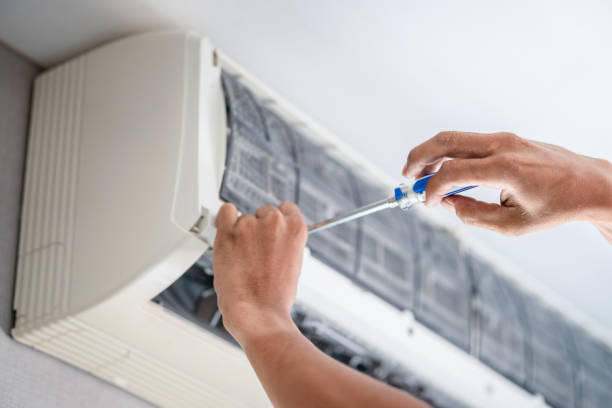
Why Winter Park homeowners choose ductless mini-split replacement
Winter Park has hot, humid summers, frequent afternoon storms, and mild winters. Those conditions create specific demands on cooling and heating equipment: efficient dehumidification during long cooling seasons, rapid recovery after storms, and resilient performance when power or ventilation is less consistent. Ductless mini-splits offer targeted conditioning, reduced duct losses, and advanced inverter technology that adapts output to the actual load in each room. For many Winter Park residences, that means:
- Improved moisture control in bedrooms and living spaces
- Lower electrical consumption during high-use months
- Flexibility for buildings without ductwork or with limited space
- Zoned comfort for rooms with different occupancy patterns
Van Eddies Heating & Air Conditioning assesses the full context of your home to recommend replacement systems that address these local needs.
Common signs a mini-split needs replacement instead of repair
Technicians evaluate multiple factors before recommending replacement. Repair can extend life for some units, but replacement is usually preferable when the following apply:
- Age: Most mini-splits installed more than 10 to 15 years ago are approaching end of life. Older compressors and motors are less efficient and parts become scarce.
- Refrigerant type: Systems using R-22 or other phased-out refrigerants can be costly to recharge and may not be compatible with modern replacements.
- Frequent breakdowns: If you call for service several times per year, ongoing repair costs often exceed the value of a new, efficient system.
- Major compressor or inverter failure: Compressor replacement is expensive and signals diminished reliability.
- Rising energy bills: After controlling for usage and rate changes, steadily increasing electric bills often indicate efficiency loss.
- Uneven comfort or capacity loss: If the system no longer maintains set temperatures or struggles on the hottest days, capacity degradation is likely.
- Rust, leaks, or extensive corrosion: Moisture and salt air exposure in Florida can accelerate metal deterioration, making replacement safer and more reliable.
When Van Eddies Heating & Air Conditioning inspects a unit, technicians document component condition, anticipated repair life, and projected energy savings with a new unit to help homeowners make an informed choice.
How we size a replacement mini-split: load calculations and system selection
Correct sizing is the single most important factor in long-term comfort and efficiency. Oversized units short-cycle, leading to poor humidity control and premature wear. Undersized units run continuously and fail to maintain comfort.
Van Eddies uses proven load-calculation methods to determine the correct capacity for each space:
- Manual J heat load calculation: We analyze square footage, ceiling height, insulation values, window size and orientation, shading, and local Winter Park climate data to estimate cooling and heating loads.
- Room-by-room assessment: Ductless systems are inherently zoned. We calculate individual room loads so each indoor unit delivers nominal capacity without oversizing.
- Occupancy and usage patterns: Bedrooms, living rooms, and home offices have different needs. We factor expected occupancy, internal gains from appliances, and typical operating schedules.
- Solar gain and orientation: Winter Park sun angles and local landscaping influence solar heat gain. We account for sun exposure on southern and western walls and roof surfaces.
- Existing building envelope: Older Winter Park homes often have variable insulation and air infiltration. We inspect attic and wall conditions to refine calculations.
From the load calculation we determine the proper cooling and heating BTU ratings, which informs selection between single-zone, multi-zone, or hybrid configurations.
Inverter-driven vs fixed-speed and single-zone vs multi-zone comparisons
Understanding the technology options helps you pick the best replacement for comfort and operating cost.
- Inverter-driven systems: These modulate compressor speed to match the demand. Benefits include:
- Smooth temperature control and longer run cycles that improve humidity removal
- Higher part-load efficiency and lower energy consumption
- Quieter operation and less wear from frequent starts and stops
- Better performance in long, hot Florida cooling seasons
- Fixed-speed systems: These run at full output when on and cycle off when satisfied. They are less expensive up front but:
- Tend to short-cycle, reducing dehumidification
- Use more energy during frequent starts
- May have shorter useful life under heavy use
- Single-zone systems: Ideal for spot cooling or small additions, garages, or rooms without ductwork. Fast installation and lower material costs make single-zone appealing for isolated needs.
- Multi-zone systems: One outdoor unit connects multiple indoor units, offering:
- Individual room control and better overall efficiency for whole-home retrofits
- Reduced outdoor footprint compared to multiple single-zone condensers
- Flexibility to mix wall-mounted, ceiling cassette, or ducted indoor units for different spaces
For Winter Park homes with several rooms requiring dedicated control, multi-zone inverter systems often deliver the best balance of comfort and efficiency.
Energy efficiency, SEER, HSPF, and real-world savings
SEER (Seasonal Energy Efficiency Ratio) measures cooling efficiency, while HSPF (Heating Seasonal Performance Factor) and COP relate to heating efficiency for heat pump-based mini-splits. Modern inverter mini-splits commonly offer SEER ratings above 20 and HSPF improvements compared to earlier generations.
Key considerations for Winter Park homeowners:
- Higher SEER yields lower cooling energy consumption during long, hot months.
- Good dehumidification performance is as important as SEER in Florida; inverter-driven units typically control humidity better than fixed-speed units.
- Heat pump mini-splits provide a reliable heating option for mild Winter Park winters with lower operating cost than electric resistance heat.
- Real-world savings depend on usage patterns, thermostat settings, and home envelope. A new high-SEER mini-split can significantly lower summer cooling costs compared to a decade-old unit with SEER in the teens.
Van Eddies reviews expected seasonal usage and provides estimates of efficiency-related savings so homeowners can weigh replacement benefits.
Removal, refrigerant handling, and disposal
When replacing a mini-split, proper removal and disposal protect the environment and comply with federal and state regulations.
- Refrigerant reclamation: Technicians recover refrigerant using certified equipment. Reclaiming and recycling follow EPA guidelines to avoid releases of greenhouse gases.
- Component disposal and recycling: Outdoor and indoor units, copper, and electrical components are separated and recycled where possible. Materials are handled according to Florida waste regulations.
- Hazard assessment: Units showing oil leaks, significant corrosion, or PCB-containing components receive special handling.
- Documentation: Disposal and refrigerant reclamation records are maintained per regulatory requirements.
Van Eddies Heating & Air Conditioning prioritizes safe, compliant removal and sustainable disposal practices during every replacement.
Typical installation timeline and what to expect
A well-planned replacement has predictable stages. Timelines vary by job complexity, but here is a representative outline:
- Initial assessment and quote: 1 visit for inspection and load calculation.
- Equipment ordering: Timing depends on model availability; many installations proceed within 1 to 3 weeks.
- Permitting: Local permits may be needed depending on Winter Park codes. Permit issuance can add days to a week.
- Day of removal and installation: Single-zone replacements often complete in one day. Multi-zone or whole-house replacements typically take 1 to 3 days.
- Remove the old equipment and reclaimed refrigerant
- Mount outdoor condenser and indoor evaporator heads (wall mounts, cassettes, or concealed units)
- Run new refrigerant lines, condensate drain, and electrical circuits
- Evacuate and charge the system with proper refrigerant levels
- Start-up, system testing, and balancing
- Homeowner walkthrough and orientation
- Final inspections and paperwork: After installation, any required inspections are completed and manufacturer warranty registration and rebate paperwork are prepared.
Throughout the process, Van Eddies technicians provide clear scheduling and status so homeowners know what to expect on each day of work.
Warranty, rebate possibilities, and financing options
Replacement choices often hinge on warranty coverage, rebates, and financing availability.
- Manufacturer warranties: New mini-splits come with compressor and parts warranties ranging by brand and model. Many manufacturers offer multi-year compressor warranties; review terms and registration requirements carefully.
- Labor warranties: Company-provided labor warranties cover installation workmanship for a specified period. Van Eddies Heating & Air Conditioning documents labor coverage terms for each installation.
- Utility and manufacturer rebates: Florida utilities and manufacturers occasionally offer rebates for high-efficiency heat pump installations or ENERGY STAR qualified equipment. Eligibility commonly depends on SEER/HSPF thresholds and installation documentation.
- Federal incentives: Periodic federal tax credits or energy-related incentives for heat pumps may apply. These change over time and often require specific efficiency criteria and documentation.
- Financing options: Many homeowners finance HVAC replacements through low-interest promotional plans, energy-efficiency loan programs, or home improvement financing. Options may include deferred-payment plans, fixed monthly payments, and third-party financing companies that specialize in equipment replacement financing.
Van Eddies provides information on standard warranty coverage, compiles rebate documentation for homeowner submission, and outlines common financing pathways to help budget for replacement.
Benefits you can expect from a new mini-split in Winter Park
Replacing an aging mini-split yields immediate and long-term benefits tailored to Winter Park conditions:
- More consistent comfort: Improved zone control and inverter modulation ensure steady temperatures without large swings.
- Better humidity control: Longer run times and precise modulation remove more moisture from indoor air, reducing mold risk and improving comfort.
- Lower energy bills: Higher SEER and modern inverter technology reduce cooling energy use during long summers.
- Quieter home environment: New compressors and indoor units operate at lower sound levels.
- Reduced maintenance and repair costs: New equipment under warranty and with modern diagnostics requires fewer emergency repairs.
- Enhanced indoor air quality: New indoor units with better filtration options help reduce dust, pollen, and other irritants—important during hurricane season when homes often need to remain closed up for days.
- Flexibility and zoned comfort: Multi-zone systems let each family member set personalized temperatures and schedules.
Van Eddies focuses on delivering these tangible improvements while ensuring installations align with Winter Park building practices and aesthetic preferences.
Maintenance and care after replacement
A replacement is only as effective as the care it receives. Proper maintenance preserves efficiency and longevity:
- Regular filter cleaning: Many indoor mini-split filters are washable. Cleaning every 1 to 3 months maintains airflow and IAQ.
- Annual professional tune-up: Technicians inspect electrical connections, refrigerant charge, condensate drains, and system controls. Annual servicing optimizes efficiency and prevents minor issues from becoming major repairs.
- Outdoor unit care: Keep the outdoor condenser clear of debris, vegetation, and climbing vines. Ensure adequate airflow per manufacturer specifications.
- Smart control scheduling: Use timers and programmable thermostats to avoid unnecessary run times while maintaining humidity control during Summer.
- Prompt repair of issues: Address unusual noises, decreased cooling, or leakage quickly. Small issues are often inexpensive to fix if handled early.
Van Eddies provides clear maintenance checklists and can perform scheduled tune-ups to ensure factory performance is maintained.
Common replacement scenarios in Winter Park homes
Several home types in Winter Park commonly benefit from mini-split replacement:
- Historic homes without ducts: Older residences with plaster walls and no ductwork often use ductless solutions to preserve architecture while adding efficient conditioning.
- Additions and remodels: New living spaces like sunrooms, in-law suites, or converted attics can be conditioned quickly with mini-splits without extending existing ductwork.
- Homes with legacy systems: Houses with aging central systems or frequent compressor failures often realize improved comfort and efficiency by converting to ductless multi-zone setups.
- Multi-family or accessory dwelling units: Mini-splits allow independent climate control for different units without the expense of reworking a central system.
- Rooms with high humidity: Bedrooms and media rooms that need better dehumidification performance benefit from inverter-driven replacements.
Each scenario requires tailored system selection and expert installation to maximize benefits.
Why professional replacement matters
A correct replacement involves more than swapping equipment. It includes accurate load calculations, proper refrigerant handling, correct line-set brazing and evacuation, electrical compliance, aesthetic placement of indoor units, and commissioning for reliable operation. Poor installation reduces efficiency, shortens equipment life, and may void warranties.
Van Eddies Heating & Air Conditioning combines local Winter Park experience with ductless manufacturer training to ensure each replacement meets performance expectations and code requirements.
Maintenance Plan
Heat Pump/ AC Tune-Up

Furnace Tune-Up
Customer Testimonials