


Mini Split Service in Lake Nona, FL



Keeping ductless mini split systems operating at peak performance is essential for comfort, indoor air quality, and energy efficiency in Lake Nona, FL homes. Van Eddies Heating & Air Conditioning provides detailed mini split service and maintenance designed for the unique demands of Florida living: high humidity, long cooling seasons, frequent heavy use, and seasonal storms.
Why regular mini-split service matters in Lake Nona
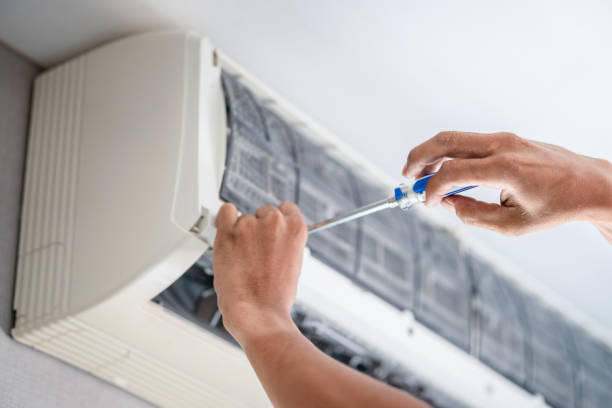
Mini-split systems deliver targeted heating and cooling without ductwork, making them popular in modern Lake Nona homes and additions. However, ductless systems still require regular attention to maintain efficiency and longevity. In Lake Nona, prolonged heat and humidity create heavy cooling loads for much of the year. That environment accelerates coil fouling, filter blockage, refrigerant stress, and compressor wear. Regular service:
- Restores and preserves cooling capacity so your home reaches set temperatures faster.
- Improves energy efficiency to reduce monthly utility costs and help systems meet their labeled SEER performance.
- Identifies refrigerant leaks and airflow restrictions early, preventing costly compressor failures.
- Reduces moisture-related problems like mold growth on coils and excessive dehumidification that increases runtime.
- Extends equipment life with preventive lubrication, electrical checks, and performance adjustments.
Van Eddies Heating & Air Conditioning combines local experience with industry best practices for mini-split service in Lake Nona, FL so systems run reliably through the long cooling season and occasional cold snaps.
Common mini-split issues in Lake Nona, FL
Understanding common failures helps set realistic expectations for maintenance and timing. Typical mini-split problems we address include:
- Reduced cooling capacity or longer run times due to dirty coils, clogged filters, or restricted condensate drains.
- High indoor humidity because of insufficient dehumidification or oversized cycling behavior.
- Refrigerant leaks from vibration or improper installation that lower system efficiency and can damage compressors.
- Noisy operation and vibration caused by loose mounting, refrigerant flow issues, or failing fan motors.
- Electrical faults such as loose connections, failed capacitors, or sensor problems that disrupt performance.
- Frozen indoor evaporator coils caused by restricted airflow, low refrigerant, or running in very low outdoor temperatures.
- Fault codes on wall-mounted controllers due to communication issues, sensor drift, or power fluctuations after storms.
Addressing these problems proactively through scheduled service reduces disruption and helps prevent emergency repairs.
Mini-split service types offered
Van Eddies Heating & Air Conditioning provides a spectrum of mini-split services tailored to different needs and system ages:
- Seasonal tune-up: A focused inspection and cleaning before high-use periods to optimize performance.
- Comprehensive maintenance visit: A deeper diagnostic and preventive treatment covering refrigerant checks, coil cleaning, and electrical testing.
- Refrigerant leak detection and repair: Locating leaks, repairing them, and restoring correct refrigerant charge if required.
- Indoor unit cleaning and sanitation: Cleaning filters, coils, drain pans, and optional antimicrobial treatments for improved IAQ.
- Outdoor unit maintenance: Condenser coil cleaning, fan motor inspection, and base mounting checks for hurricane preparedness.
- System performance optimization: Adjusting setpoints, fan curves, and controls for balanced comfort and efficiency.
- Emergency and repair service: Diagnostics and repair for sudden failures, abnormal noises, or performance loss.
Each service is performed using manufacturer-recommended procedures and verified with performance tests to confirm results.
Typical mini-split seasonal tune-up checklist
A tune-up visit targets the most impactful maintenance actions to improve comfort and efficiency. A standard seasonal tune-up includes:
- Visual inspection of indoor and outdoor units for physical damage, pests, and debris.
- Removal and cleaning of washable filters; replacement recommendations for disposable filters.
- Cleaning indoor evaporator coils and outdoor condenser coils to restore heat transfer efficiency.
- Checking and cleaning condensate drain and drain pan to prevent blockages and water damage.
- Verifying refrigerant pressure and temperature differentials to detect low charge or leaks.
- Inspecting electrical connections, contactor, capacitors, and safety controls for integrity.
- Examining fan motors and blades for wear, lubrication needs, and balance.
- Testing thermostat or remote control operation and reviewing setpoint programming.
- Measuring system airflow and static pressure to ensure proper distribution.
- Recording system operating amperages and voltages for baseline comparison.
- Running a performance test to confirm expected cooling output and refrigerant operation.
- Discussing visible wear items and recommended next steps for repairs or replacement parts.
Technicians document findings and provide clear, non-technical explanations so homeowners understand system condition and priorities.
Filter and coil cleaning - what we do and why it matters
Filters and coils are the frontline of mini-split health. In Lake Nona, pollen, dust, and indoor contaminants combine with mold and humidity to foul filters and coils more rapidly.
- Filter cleaning and replacement: Washable filters are removed, cleaned with low-pressure water, dried, and reinstalled. Disposable filters are inspected and replacement is recommended when efficiency drops or media is compromised. Clean filters reduce pressure drop and improve airflow.
- Evaporator coil cleaning: A dirty evaporator coil reduces heat transfer and increases run time. We use manufacturer-approved coil cleaners and soft rinsing methods to remove buildup without damaging fins or refrigerant lines.
- Condenser coil cleaning: Outdoor coils collect dirt, plant matter, and road dust. Cleaning restores condenser efficiency and lowers compressor stress during Lake Nona heat waves.
- Drain pan and condensate line clearing: Stagnant water encourages microbial growth and can block condensate flow. We clear lines and treat pans as needed to prevent spills and odors.
Regular filter and coil care reduces energy use, improves dehumidification, and prevents performance declines that can lead to system failure.
Refrigerant level checks and leak detection
Correct refrigerant charge is critical for reliable mini-split performance. Too little charge causes poor cooling and potential compressor overheating. Too much charge reduces efficiency and increases wear.
- Pressure and temperature measurement: Technicians measure refrigerant pressures and line temperatures to verify system charge against manufacturer specifications.
- Leak detection methods: We use electronic leak detectors, dye testing, and visual inspection of joints and brazed connections when a low charge is suspected.
- Repair and recovery: If a leak is found, the affected component is repaired or replaced following EPA refrigerant handling standards. Refrigerant recovery, repair, and recharge are performed according to regulations.
- Post-repair verification: After repair and recharge, tests confirm correct pressures, superheat, and subcooling to ensure long-term reliability.
Addressing refrigerant issues promptly in Lake Nona avoids prolonged strain during peak cooling months and prevents irreversible compressor damage.
Performance optimization and controls
Mini-split systems are increasingly sophisticated, with variable-speed compressors, inverter drives, and advanced controls. Performance optimization makes these features work for your comfort and bills.
- Control calibration: Wall controllers and wireless remotes are checked for accurate temperature sensing and response. Sensor recalibration restores stable cycling and avoids short cycling.
- Inverter tuning and diagnostics: Variable-speed systems are evaluated for proper modulation over a range of loads to maintain comfort without excessive cycling.
- Zoning and airflow balancing: Multi-zone systems are assessed for balanced cooling across occupied spaces, with adjustments to fan speeds, louver positions, and programming.
- Setpoint and schedule recommendations: Based on occupants and home usage, technicians recommend setpoints and schedules that reduce runtime while maintaining comfort and humidity control.
- Energy performance verification: Before and after metrics document improvements in runtimes, temperature consistency, and electrical demand.
Optimization can produce measurable efficiency improvements in Lake Nona, where extended cooling demand amplifies small gains.
Preventive maintenance plans and service agreements
A structured maintenance plan provides predictable service and protects system value over time. Van Eddies Heating & Air Conditioning offers maintenance agreement structures that typically include:
- Frequency options: Annual or biannual visits timed for pre-summer and pre-winter checks to prepare for heavy-use seasons.
- Comprehensive inspections: Regular visits include all tune-up checklist items plus priority scheduling for repairs.
- Documented service history: Each visit includes detailed documentation of findings, performance metrics, and recommendations to create a long-term service record.
- Priority response: Agreement holders typically receive faster response windows during high-demand periods for repairs and diagnostics.
- Discounted repair labor or parts: Membership structures commonly include preferential pricing for needed repairs to lower unexpected expenses.
- Transferable benefits: Agreements can be structured to add value if a property is sold, documenting proper care for prospective buyers.
These agreements are designed to be flexible and tailored to the number of indoor heads, system complexity, and homeowner preferences in Lake Nona properties.
Typical service visit duration and what to expect
Service visits vary by scope. A focused tune-up often takes 45 to 90 minutes for a single-zone mini-split. Multi-zone systems or comprehensive diagnostics can require two hours or more. During a visit you can expect:
- A professional arrival in uniform with tools and testing equipment.
- A walkthrough to note system history, specific concerns, and any recent performance changes.
- Immediate safety checks for wiring, condensate, and outdoor unit mounting.
- Visible cleaning and component inspection followed by system testing.
- Clear documentation of findings and recommended next steps.
Technicians respect home spaces and typically follow common-sense measures to protect floors and furnishings while working.
Benefits of regular mini-split servicing
Consistent maintenance delivers measurable advantages:
- Lower energy bills through maintained heat transfer and proper cycling.
- Improved comfort with faster recovery times and more consistent zone temperatures.
- Reduced risk of mid-summer breakdowns when repair access and parts may be constrained.
- Longer equipment life with fewer emergency replacements and extended warranty compliance when manufacturer service requirements are met.
- Better indoor air quality with cleaner filters, coils, and drain systems reducing allergens and microbial growth.
- Predictable maintenance budgeting with fewer surprise costs and documented system health.
For Lake Nona residents, these benefits are amplified by the long cooling season and high humidity demands placed on mini-splits.
Practical scheduling for recurring visits in Lake Nona
Scheduling recurring visits should align with local climate patterns and usage. Recommended timing for Lake Nona homes:
- Annual inspection before the primary cooling season begins in spring to prepare for sustained summer usage.
- A mid-season check in mid-late summer for multi-zone or high-use systems, especially in homes running systems continuously.
- Optional fall or winter visit to verify heating operation and ensure components are ready for the off-season.
Recurring visits should be planned on a consistent calendar basis to establish baselines for performance. Maintenance agreements typically set these visits automatically, with options to customize intervals based on system age, manufacturer requirements, and occupancy patterns.
Maintenance tips for Lake Nona homeowners
Simple homeowner actions between professional visits help maintain mini-split efficiency:
- Clean or vacuum washable indoor filters every 2 to 4 weeks during peak pollen and high-use seasons.
- Keep indoor units free from obstructions that restrict airflow, such as furniture, curtains, or storage.
- Maintain 2 to 3 feet of clearance around outdoor units and remove debris after storms or yard work.
- Inspect condensate pans for standing water and monitor for odors that indicate microbial growth.
- Use programmed setpoints and sleep modes to reduce excessive runtime without sacrificing comfort.
- Avoid frequent rapid setpoint changes which can increase compressor cycles and wear.
- Monitor system performance and note any changes in noise, vibration, or run time to report during the next service visit.
These active maintenance behaviors preserve efficiency and reduce emergency repair likelihood.
Signs you need immediate mini-split service
Some symptoms require prompt attention to prevent further damage:
- Sudden loss of cooling or heating capacity accompanied by strange noises.
- Indoor evaporator coil frosting or persistent high humidity regardless of runtime.
- Unusual or burning electrical smells from the unit or controller.
- Water leakage from indoor or outdoor units indicating condensate line blockage or pan damage.
- Rapidly rising energy usage without changes in occupancy or thermostat settings.
- Visible refrigerant oil residue around refrigerant lines which can indicate a leak.
When these signs appear, prioritize diagnostic service to prevent compressor failure or water damage.
Why local expertise matters in Lake Nona
Lake Nona presents specific service considerations: high humidity, sustained summer temperatures, and an influx of new construction and high-efficiency equipment in recent years. Local technicians from Van Eddies Heating & Air Conditioning bring practical experience with:
- Manufacturer-specific setups common to Florida installations.
- Best practices for corrosion prevention and outdoor unit protection.
- Knowledge of local environmental impacts on refrigerant lines, mounting, and condensate management.
- Experience coordinating seasonal tune-ups around Lake Nona community event schedules and hurricane season.
Local expertise improves diagnostic speed and ensures services are appropriate for the conditions typical to Lake Nona homes.
Maintenance Plan
Heat Pump/ AC Tune-Up

Furnace Tune-Up
Customer Testimonials