



Mini Split Service in Montgomery County, TX



Keeping mini-split systems running at peak performance is essential for comfort and energy efficiency in Montgomery County, TX. Mini split systems offer zoned temperature control, quiet operation, and efficient heating and cooling for homes that do not use ductwork. At Van Eddies Heating & Air Conditioning, our mini-split service in Montgomery County focuses on routine maintenance, targeted diagnostics, and preventative strategies that reduce breakdowns, increase system longevity, and maintain system efficiency in the face of the region's hot, humid summers and variable seasonal conditions.
Why mini-split service matters in Montgomery County, TX
Montgomery County experiences long, hot summers with high humidity and frequent pollen and dust during spring and fall. Those local conditions place specific stresses on mini-split equipment:
- High humidity increases condenser workload and promotes mold and mildew growth on evaporator coils and in drain pans.
- Pollen and airborne particulate matter clog filters and decrease airflow, leading to coil freezing or compressor strain.
- Summer peak loads and frequent on/off cycling raise the risk of electrical component wear and refrigerant imbalance.
- Occasional storms and power surges can lead to control board or inverter damage in outdoor units.
Regular mini-split service tailored to these local factors prevents avoidable repairs and helps maintain the system performance Montgomery County homes need during demanding weather.
Common mini-split problems we see in Montgomery County homes
Understanding the most common issues helps homeowners know when maintenance is needed. Typical problems include:
- Reduced airflow or weak cooling in specific zones due to clogged filters or obstructed indoor units.
- Frozen evaporator coils caused by restricted airflow or improper refrigerant levels.
- Refrigerant leaks that reduce capacity and efficiency while increasing run times.
- Faulty or miscalibrated thermostats and remote controls that lead to incorrect temperature readings.
- Unusual noises from the compressor or indoor blower caused by loose mounts, debris, or worn bearings.
- Water leaking from the indoor unit caused by clogged condensate drains or improperly sloped drain lines.
- Electrical failures or inverter damage triggered by power surges or poor connections.
- Excessive cycling, which wastes energy and stresses components.
Addressing these issues during routine service helps prevent emergency repairs and extends system life.
Types of mini-split service and maintenance we provide
Our mini-split service in Montgomery County covers a full range of routine maintenance and targeted repairs to keep ductless systems running reliably:
- Seasonal tune-ups for cooling and heating seasons
- Filter inspection, cleaning, and replacement guidance
- Evaporator and condenser coil cleaning
- Refrigerant level checks and leak detection
- Electrical connection inspection and tightening
- Control, thermostat, and sensor calibration
- Condensate drain clearing and pan cleaning
- Outdoor unit inspection for debris, nesting, or corrosion
- Compressor and inverter performance checks
- Airflow measurement and blower adjustments
- Vibration and mounting inspections
- System performance testing and efficiency verification
- Preventative maintenance plans and service agreements with prioritized scheduling and documented service history
Each service is prioritized to address the issues that most influence comfort and efficiency in local homes, with diagnostics and corrective steps tailored to the specific make and model of the mini-split equipment.
What a thorough mini-split tune-up includes
A comprehensive seasonal tune-up is the most effective way to maintain consistent comfort and avoid sudden failures. A typical Van Eddies Heating & Air Conditioning tune-up includes:
System walkthrough and homeowner interview
- Review of previous service history and current symptoms
- Identification of zones or rooms with poor performance
Visual inspection of indoor and outdoor units
- Check for physical damage, debris, and insect or rodent intrusion
- Verify mounting stability and clearances
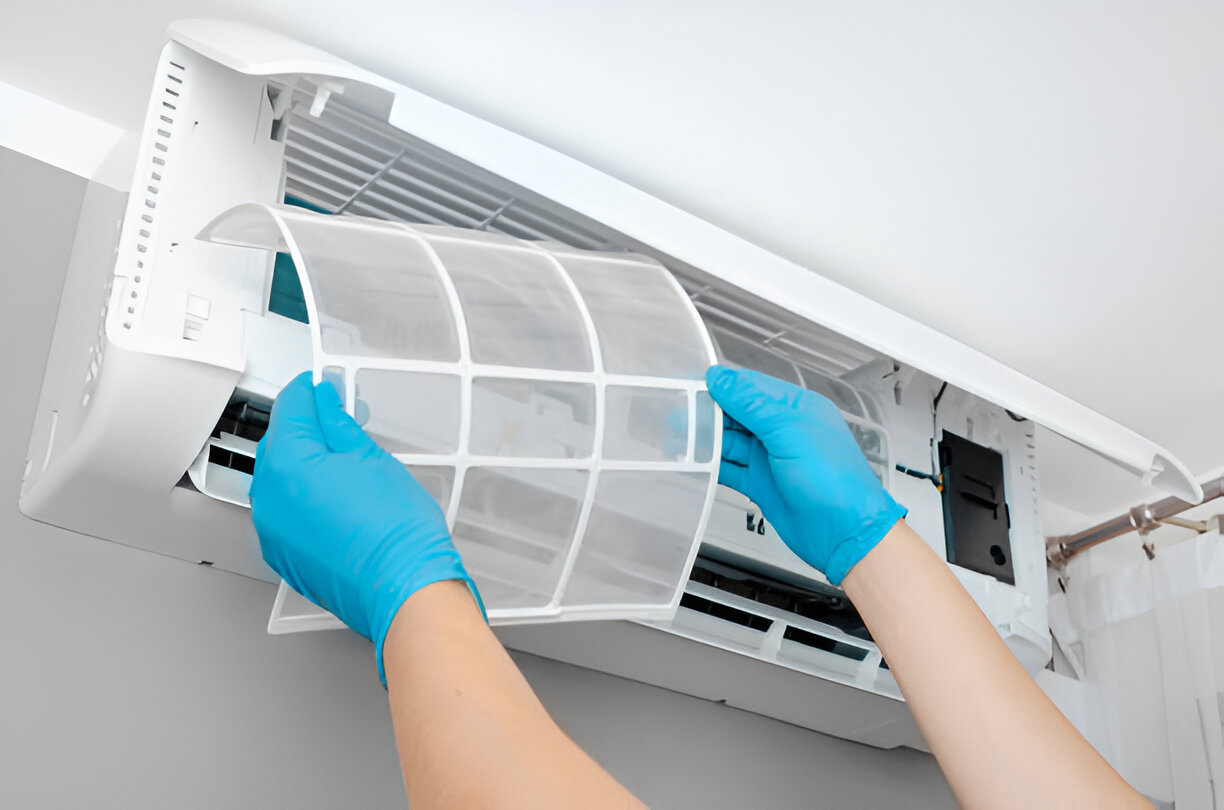
Air filter inspection and basic cleaning
- Remove, inspect, and clean or recommend replacement for washable and disposable filters
- Explain filter type options and replacement frequency based on local pollen and dust levels
Coil cleaning
- Clean evaporator and condenser coils to remove pollen, dust, and film that reduce heat transfer
- Inspect coil fins and straighten if necessary
Refrigerant check and leak detection
- Measure refrigerant charge and compare to manufacturer specifications
- Use industry-standard diagnostic tools to test for leaks if levels are off
- Explain potential leak sources such as line set damage or brazing joints
Electrical testing
- Inspect and tighten electrical connections
- Test capacitors, contactors, breakers, and fuses for wear
- Evaluate inverter and control board status
Blower and airflow assessment
- Check blower motor operation and measure airflow to ensure proper distribution
- Adjust fan speeds and inspect for obstructions
Condensate system service
- Clear and flush condensate drain lines and pans
- Confirm proper slope and drainage to prevent overflow and mold growth
Control and thermostat calibration
- Verify sensor placement and recalibrate thermostats and remote controls for accurate temperature reading
- Review any smart control or Wi Fi connectivity issues
Operational performance test
- Run a full system test in cooling and heating modes as applicable
- Measure supply and return temperatures, compressor cycling, and overall system efficiency
Documentation and recommendations
- Provide a clear service report with findings, prioritized recommendations, and parts noted for future attention
- Explain expected remaining life of key components and possible upgrade opportunities to improve efficiency
Each step is performed with the intent to identify small issues before they become major, more costly repairs.
Why refrigerant checks and leak detection are critical
Refrigerant is the lifeblood of any mini-split. Improper refrigerant charge causes reduced capacity, longer run times, and higher energy consumption. In Montgomery County, where outdoor temperatures often push systems hard, even a small refrigerant loss can significantly degrade performance.
During routine service we:
- Measure static and dynamic pressures
- Compare operating pressures to manufacturer specifications
- Perform electronic leak detection if pressure is low
- Inspect line sets and connection joints for physical damage or corrosion
- Discuss repair options and long term implications if a leak is confirmed
Early detection of refrigerant issues prevents compressor damage and ensures the system runs efficiently on hot Texas days.
Filter, coil, and drain maintenance for better indoor air quality
High humidity and local pollen make filter and coil maintenance especially important in Montgomery County. A clogged filter reduces airflow and causes the system to work harder. Dirty evaporator coils reduce heat exchange, increasing run times and creating conditions for condensate retention and mold growth.
Proper maintenance includes:
- Replacing disposable filters at recommended intervals or cleaning washable filters
- Deep cleaning coils to remove film and biological growth
- Treating drain pans and lines to prevent standing water and microbial growth
- Inspecting indoor unit placement for potential dust buildup or direct sunlight exposure that can accelerate wear
Clean systems reduce allergens, improve comfort, and maintain energy efficiency, particularly during peak cooling months.
Electrical and control calibration to prevent failures
Modern mini-split systems rely on sensitive electronics and inverter technology for efficiency. Voltage fluctuations and loose connections can lead to overheating, erratic operation, or complete shutdown.
During service we:
- Tighten connections and check wiring insulation
- Test capacitors, relays, and control boards for proper function
- Verify correct line voltages and phase balance where applicable
- Calibrate thermostats, remote sensors, and any smart controls
- Inspect surge protection and recommend upgrades if the system is vulnerable to power events typical of the region
Maintaining the electrical health of your mini-split reduces the risk of unexpected downtime and component failure.
Preventative maintenance plans and service agreements
For consistent performance and priority attention during peak seasons, many homeowners choose a preventative maintenance plan. Typical features of a professional maintenance plan include:
- Scheduled seasonal tune-ups tailored to local climate demands
- Priority service scheduling during high demand periods
- Documented service history and inspection reports for each unit
- Reminders timed for pre-season checkups
- Custom maintenance intervals for systems with high run times
A maintenance plan helps homeowners in Montgomery County manage the unique demands of local weather by ensuring mini-splits are inspected and tuned before the hottest months arrive.
Scheduling and priority-service options explained
Priority-service options give homeowners peace of mind in regions where HVAC demand spikes quickly during heat waves. Priority scheduling typically involves:
- Advance booking windows during spring and fall for preventive inspections
- Fast-tracked service requests when systems show signs of failure
- Technician dispatch based on proximity and skill set to address ductless systems
- Clear record keeping so priority clients receive consistent tailored service
These options are structured to reduce wait times and focus on preventative care so that emergency repairs are less frequent.
What you can expect during a service visit
Van Eddies Heating & Air Conditioning technicians follow a predictable, transparent process that keeps homeowners informed:
- Arrival and identification: Technicians arrive prepared with the correct tools and parts for most routine services.
- Brief interview: A short discussion to confirm symptoms and any unusual behaviors.
- Full inspection: Indoor and outdoor unit examination, filter and coil checks, electrical verification, and refrigerant evaluation.
- Cleaning and minor adjustments: Filter service, coil light cleaning, and loose component tightening where safe and appropriate.
- Diagnostics and testing: Operational tests to confirm performance metrics and identify latent issues.
- Written report: A clear description of findings, recommended repairs or replacements, and an explanation of urgency and expected outcomes.
- Walkthrough: The technician explains what was done, any maintenance steps the homeowner should follow, and signs off on the visit.
This process emphasizes transparency and education while ensuring the mini-split receives the care it needs for reliable performance.
Repair and replacement guidance specific to mini-splits
When service reveals a need for repairs or potential replacement, homeowners benefit from straightforward guidance:
- Minor repairs such as fan motor replacement, capacitor swaps, or condensate line repair are often completed during the service visit.
- Refrigerant repairs and leak sealing require a clear plan that includes leak location, repair method, and verification testing.
- Inverter or compressor failures may necessitate a discussion on repair versus replacement based on age, efficiency, and remaining expected life.
- When a system is older or inefficient, upgrading to newer inverter-driven mini-splits can yield substantial efficiency gains, better humidity control, and more precise zoning.
Technicians provide objective assessments so homeowners can choose the most cost-effective and practical path forward for their Montgomery County property.
Energy efficiency and longevity benefits of regular mini-split service
Regular service yields measurable benefits:
- Improved energy efficiency and lower run times during peak summer months
- More consistent comfort across zones
- Reduced chance of emergency repairs during high temperature periods
- Extended equipment lifespan through proactive component care
- Better indoor air quality through maintained filters and clean coils
- Preservation of manufacturer warranty requirements when regular maintenance is documented
These benefits are amplified in Montgomery County where long cooling seasons make efficiency and reliability priorities for many households.
Practical homeowner maintenance tips between professional visits
Between professional tune-ups, homeowners can take simple steps to support system health:
- Clean or replace filters monthly during heavy pollen or high-use seasons
- Keep indoor unit intakes free of dust and direct sunlight where possible
- Maintain clearances around outdoor units and remove debris after storms
- Monitor for signs of refrigerant leaks such as hissing sounds, reduced cooling, or increased run times
- Verify condensate drainage periodically and clear visible blockages
- Note and record any unusual noises, odors, or performance changes to inform the next service visit
These practices reduce wear and improve the effectiveness of each professional service visit.
Why professional mini-split service matters more than DIY fixes
Mini-splits contain refrigerant circuits, electrical components, and sensitive electronics that require trained technicians for safe and accurate service. Professional service ensures:
- Accurate refrigerant charging and leak detection using certified equipment
- Safe handling of electrical components and proper torqueing of connections
- Correct calibration of controls and sensors for reliable zoned comfort
- Proper documentation for warranties and long-term maintenance planning
While homeowners can handle basic filter cleaning, professional service protects equipment longevity and performance, particularly in challenging climates like Montgomery County, TX.
Trust and transparency in service delivery
Van Eddies Heating & Air Conditioning emphasizes clear communication and documentation. Our service approach includes thorough reporting so homeowners understand system condition and why recommended actions matter. Service records help track system health over time and inform decisions about repairs or replacement.
Maintaining an accurate service history is particularly important in Montgomery County where extreme weather events and prolonged cooling seasons can exacerbate wear and sudden failures.
Maintenance Plan
Heat Pump/ AC Tune-Up

Furnace Tune-Up
Customer Testimonials