



Mini Split Service in Winter Springs, FL



Mini split systems are an efficient, flexible way to cool and heat individual rooms or additions without ductwork. In Winter Springs, FL, where warm temperatures and high humidity create near-constant demand on cooling equipment, routine mini split service is essential to preserve performance, reduce energy costs, and prevent inconvenient breakdowns. Van Eddies Heating & Air Conditioning provides professional, tailored mini split service for Winter Springs homes, focusing on scheduled tune-ups, filter and coil cleaning, refrigerant evaluation, electrical and safety inspections, and performance optimization to keep your system running reliably year round.
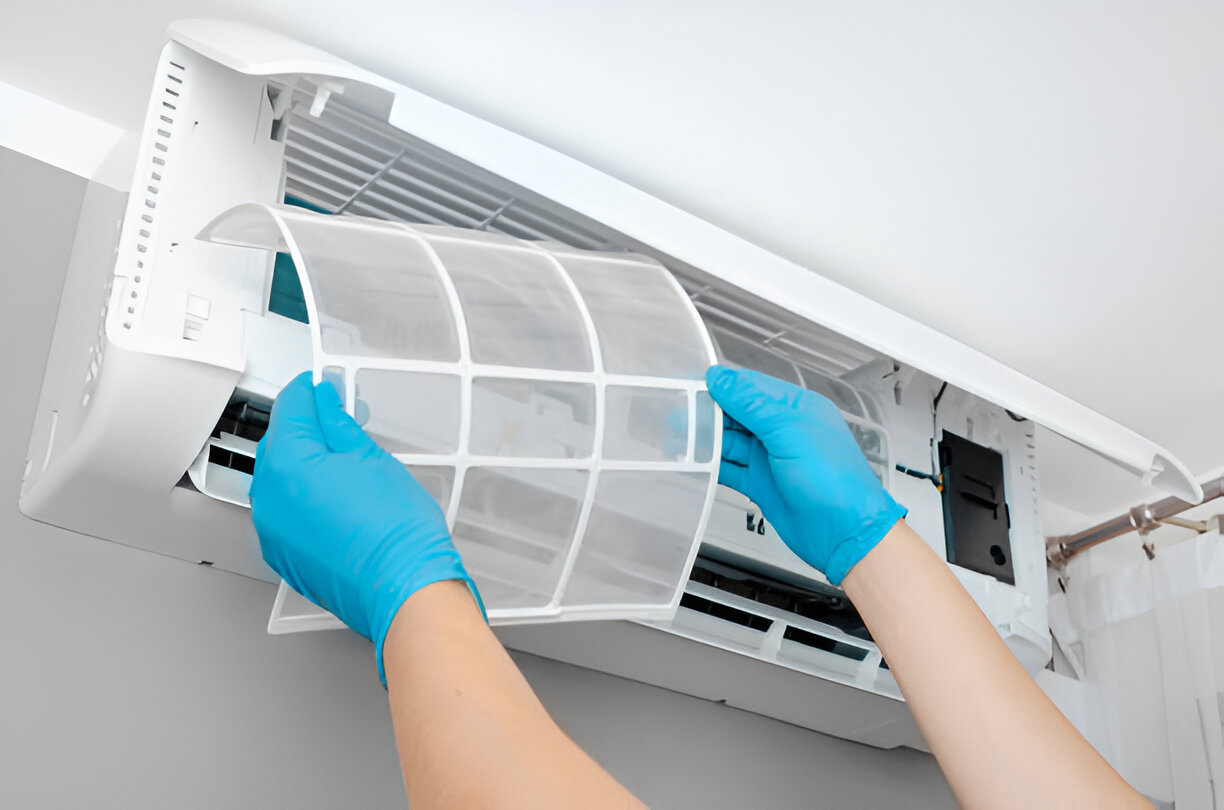
Why professional mini-split service matters in Winter Springs
Winter Springs experiences long cooling seasons, frequent humidity, and seasonal pollen that quickly affects indoor air quality and system efficiency. Mini-splits run more hours here than in milder climates, which amplifies wear on components like compressors, fans, and electronic controls. Regular service helps:
- Maintain cooling capacity and comfort in humid Florida conditions
- Reduce energy consumption and monthly utility bills
- Prevent moisture-related issues that lead to mold and unpleasant odors
- Catch refrigerant leaks or electrical problems early before major failures
- Extend the life of indoor and outdoor units that run constantly during heat waves
Van Eddies Heating & Air Conditioning understands regional demands and tailors maintenance plans to address Winter Springs conditions so your mini-split performs optimally when you need it most.
Common mini-split issues in Winter Springs homes
Homeowners in Winter Springs commonly see the following mini-split problems, many of which are preventable with regular maintenance:
- Reduced cooling capacity and longer run times due to dirty coils or clogged filters
- High humidity or poor dehumidification resulting from incorrect refrigerant charge or airflow issues
- Frozen evaporator coils caused by restricted airflow, low refrigerant, or dirty filters
- Short cycling or frequent on/off cycles driven by thermostat or control board faults
- Unusual noises from indoor or outdoor units due to wear, loose mounts, or fan motor issues
- Refrigerant leaks, often detected by loss of cooling performance or oil stains
- Electrical failures such as failed capacitors, contactors, or corroded connections
- Drain pan clogs and condensate overflow that can cause water damage or microbial growth
- Inefficient inverter operation or communication errors in modern variable-speed systems
Addressing these issues during a scheduled service visit prevents a small problem from becoming a costly repair and helps maintain warranty requirements.
What a professional mini-split service includes
A thorough mini-split service inspects and maintains components that directly affect efficiency, safety, and reliability. Typical tasks performed during a routine service include:
- Visual inspection of indoor and outdoor units for damage, corrosion, and mounting stability
- Filter cleaning or replacement to restore proper airflow and indoor air quality
- Evaporator and condenser coil cleaning to improve heat transfer and system efficiency
- Refrigerant level verification and leak detection to ensure the correct charge
- Electrical inspection of capacitors, contactors, wiring, and safety devices for wear and secure connections
- Compressor and inverter system check including amp draw and operating pressures
- Fan and blower inspection including blade condition and motor operation
- Condensate drain and trap cleaning to prevent clogs and water backup
- Thermostat and control calibration, including remote and wall-mounted controllers
- Airflow measurement and adjustment to confirm proper CFM and room comfort balance
- Performance testing to compare actual output against expected cooling capacity
- Drain pan and cabinet sanitation to reduce microbial growth and odors
- System communication checks for multi-zone setups to ensure each head responds properly
Each of these elements restores or confirms the system is ready for the heavy cooling season typical of Winter Springs and helps identify items that could fail under continuous load.
The 21-point tune-up explained
Many homeowners prefer the clarity of a structured 21-point tune-up. While packages vary, a comprehensive 21-point mini-split tune-up usually includes the following checks and services:
- Inspect system operation in heating and cooling modes where applicable
- Clean or replace indoor air filters
- Clean indoor evaporator coils and check coil fins
- Clean outdoor condenser coils and check for obstruction
- Inspect and clean condensate drain and trap
- Test refrigerant pressures and check for signs of leaks
- Check compressor amperage and operating current
- Inspect and test contactors and relays
- Test capacitors and replace if weak
- Inspect and tighten electrical connections on both indoor and outdoor units
- Verify proper fan motor operation and fan blade condition
- Measure airflow and adjust blower speed or settings as needed
- Check thermostat or controller calibration and sensor placement
- Inspect insulation on refrigerant lines and repair or replace as needed
- Test defrost cycle and reversing valve for heat pump mini-splits
- Inspect condensate pan and cabinet for rust or microbial buildup
- Check mounting hardware and vibration isolators for the outdoor unit
- Inspect communication lines between indoor and outdoor units
- Examine ductless head placement and clearances for proper airflow
- Test system safety controls and overload protections
- Provide a service summary including any recommended repairs or observations
This methodical approach helps homeowners understand exactly what was examined and why recommended repairs or replacements may be necessary.
Diagnostic process and tools used by technicians
Professional mini-split service uses diagnostic best practices to detect both overt and subtle problems. Technicians typically follow a step-by-step process using calibrated tools. The process includes:
- Initial system run test: Observe startup, listen for abnormal noises, and monitor control responses during both cooling and heating sequences.
- Visual inspection: Check for signs of external damage, unsecured components, blocked airflow, and animal or pest intrusion.
- Airflow measurement: Use anemometers or flow hoods where appropriate to estimate CFM and confirm adequate room circulation.
- Electrical testing: Use multimeters and clamp meters to measure voltage, current draw, and continuity on capacitors, motors, and control circuits.
- Refrigerant analysis: Employ manifold gauges and electronic leak detectors to measure high and low-side pressures, calculate superheat and subcooling, and identify leaks.
- Temperature profiling: Measure return and supply air temperatures to determine Delta T and evaluate system load performance.
- Vibration and mounting checks: Examine pads, brackets, and fasteners to reduce noise and avoid premature wear.
- Control diagnostics: Access error logs and communication codes in inverter-driven systems to identify intermittent issues.
- Safety checks: Confirm that safety switches, high-pressure cutouts, and float switches operate correctly.
Technicians explain findings in plain language so homeowners know the condition of the system and the rationale behind recommended repairs or replacements.
Common repairs and solutions performed during service visits
When maintenance reveals problems, experienced technicians complete targeted repairs designed to restore safe, efficient operation. Common repairs include:
- Filter replacement and deep filter cage cleaning to restore airflow
- Coil restoration: chemical cleaning or fin straightening to improve heat transfer
- Refrigerant leak repair and recharge performed according to EPA refrigerant handling rules
- Electrical repairs: tightening connections, replacing capacitors, contactors, fuses, or control boards
- Fan and motor repair or replacement to eliminate noise and restore airflow
- Drain line flushing or condensate pump replacement to prevent water damage
- Replacing worn vibration mounts, brackets, or outdoor pads to eliminate noise and damage
- Replacing remote sensors or recalibrating controls for accurate temperature regulation
- Software or control module updates on inverter systems to correct communication errors
- Replacing or reconfiguring mis-sized or improperly insulated refrigerant lines
Each repair is evaluated against system age, efficiency, and homeowner priorities to determine whether repair, partial component replacement, or full system replacement is the most economical long-term choice.
Benefits of routine mini-split service
Regular service delivers measurable advantages that go beyond simply avoiding breakdowns. Benefits include:
- Improved energy efficiency and lower cooling costs because clean coils and correct refrigerant charge reduce run time
- Enhanced comfort with consistent room temperatures, better humidity control, and fewer hot or cold spots
- Longer equipment life due to reduced stress on the compressor and motors
- Better indoor air quality as filters and coils are cleaned, which is important for homes with allergies or respiratory sensitivities
- Reduced risk of emergency breakdowns during extreme weather events when HVAC demand spikes
- Preservation of manufacturer warranties that often require documented routine maintenance
- Clearer forecasting of repair needs, allowing homeowners to plan and budget rather than face unexpected failures
In Winter Springs, where systems run heavily, these benefits translate to tangible savings and greater peace of mind.
Service agreement options and what to expect
Service agreements create a predictable maintenance schedule and help ensure mini-splits receive timely attention. Common features homeowners can expect in a maintenance plan include:
- Scheduled preventive maintenance visits (typically annual or biannual) timed for pre-summer and pre-winter checks
- A specified set of tune-up tasks, often aligned with the 21-point tune-up for comprehensiveness
- Priority scheduling windows during peak seasons so maintenance is performed before emergency calls overwhelm availability
- Record-keeping of service history and diagnostic findings to help with warranty claims and future troubleshooting
- Optional add-ons such as filter replacement kits delivered periodically or discounted labor rates on repairs
- Proactive seasonal adjustments tailored to Winter Springs climate patterns, including checks for high humidity and storm readiness
Service agreements reduce the effort required to remember maintenance and make it easier to maintain manufacturer warranty compliance.
How recurring maintenance is scheduled and managed
Recurring maintenance programs are designed to be convenient and efficient. Typical procedures include:
- Establishing a preferred maintenance window (spring for cooling readiness and fall for heat pump checks)
- Maintaining a service log for each mini-split unit showing the date of service, work performed, and condition notes
- Coordinating visits for homes with multiple mini-split heads so all zones are inspected on the same visit
- Adjusting the service cadence for high-use areas such as home offices or living rooms that see more runtime
- Providing a clear summary after each visit outlining observations, recommended next steps, and parts that may need attention in future visits
These processes help owners in Winter Springs avoid the busiest booking periods and keep equipment protected through hot months and heavy pollen seasons.
What homeowners can do between professional visits
Small, consistent actions by homeowners help maintain mini-split efficiency between professional services:
- Clean or replace washable filters every 1 to 3 months depending on occupancy and pet presence
- Keep indoor unit intake and discharge areas free of obstructions like curtains, furniture, or shelving
- Regularly inspect visible refrigerant lines for damaged insulation and repair as needed
- Keep the outdoor unit area clear of debris, growth, and mulch to maintain airflow
- Monitor and empty disposable drain line pans or condensate pumps if equipped with accessible reservoirs
- Observe for unusual odors, noises, or drops in performance and note the time of day they occur to help technicians diagnose problems
These steps are particularly important in Winter Springs where pollen loads and landscape debris can accumulate rapidly.
Winter Springs-specific maintenance considerations
Winter Springs homeowners should be aware of several local factors that influence mini-split maintenance:
- High humidity amplifies the importance of condensate drain maintenance and coil sanitation to avoid mold growth
- Long cooling seasons mean increased runtime; anticipate more frequent filter changes and monitoring of compressor health
- Frequent pollen and seasonal shedding can clog filters and outdoor coils faster than in drier climates
- Storm season requires securing outdoor units and ensuring electrical connections are corrosion-resistant and properly sealed
- Air quality concerns during certain times of year make regular coil and filter cleaning essential for respiratory health in the home
Addressing these regional considerations during service visits ensures that mini-splits remain effective and healthy in the local climate.
Why choose professional, licensed technicians
Mini-split systems, especially modern inverter-driven models, require trained technicians who understand refrigerant diagnostics, control communications, and electrical safety. Professional technicians:
- Use calibrated tools and follow EPA refrigerant handling protocols
- Diagnose root causes rather than performing temporary fixes
- Maintain documentation that supports warranties and insurance requirements
- Recommend solutions based on lifecycle cost and energy performance rather than quick fixes
- Understand regional climate impacts on HVAC performance and can tailor maintenance accordingly
Van Eddies Heating & Air Conditioning technicians combine local knowledge with industry-standard diagnostic practices to service mini-splits to manufacturer specifications.
Maintenance Plan
Heat Pump/ AC Tune-Up

Furnace Tune-Up
Customer Testimonials