

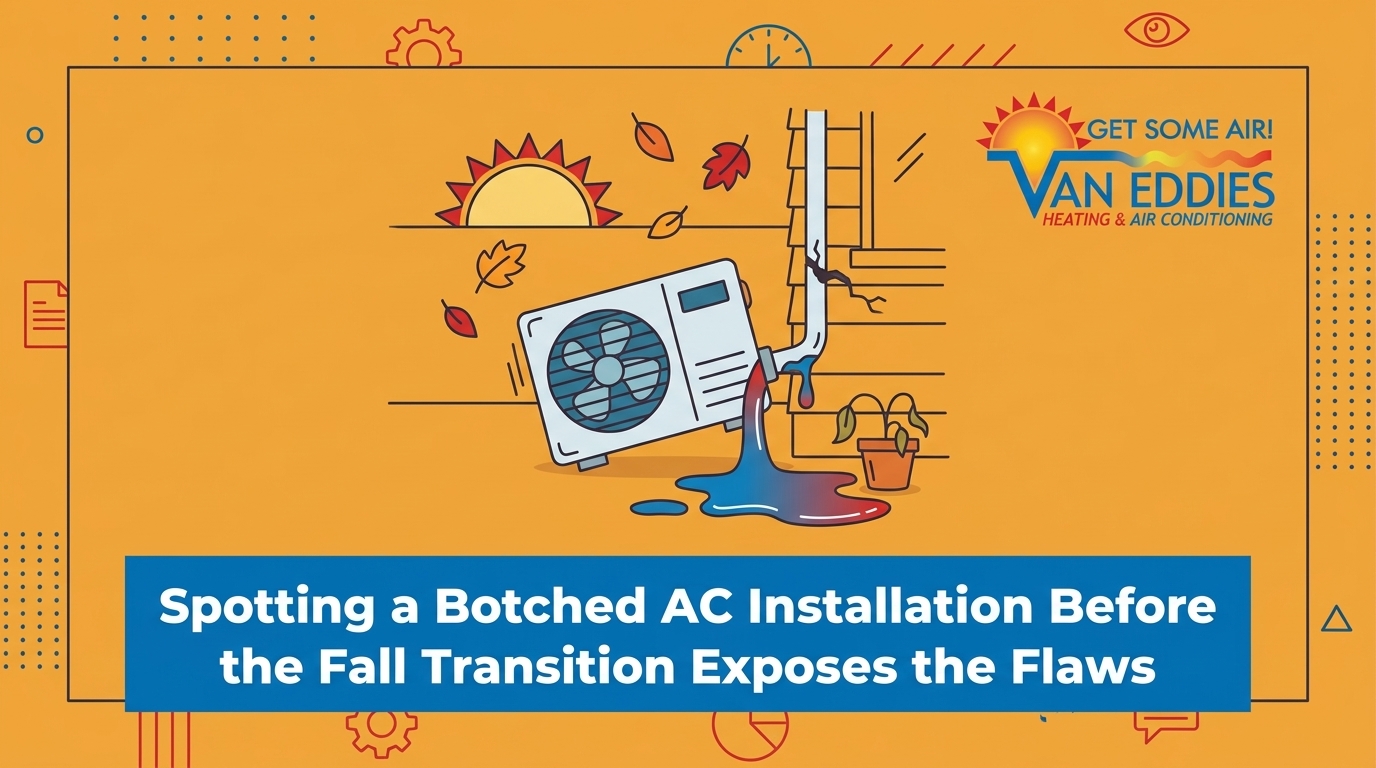
Spotting a Botched AC Installation Before the Fall Transition



Why Rushed Summer Jobs Hide Until the Weather Milds
With the intense summer heat finally breaking, spotting a botched AC installation before the fall transition is critical for homeowners who suspect their new system isn't working quite right. During the peak of summer, an oversized or poorly installed air conditioner can mask its flaws simply by running continuously. When the temperature outside sits constantly in the nineties, your system operates on brute force, pushing cold air into the house non-stop. This constant operation makes it easy to overlook underlying mechanical issues because the house technically feels cold.
However, as we enter the milder October fall transition, the cooling load on your home drops significantly. The days become shorter, the sun is less intense, and your air conditioner doesn't need to run 24/7 to maintain the temperature on your thermostat. This is exactly when the shortcuts taken by a rushed installation crew become obvious. A system that is too large for your home, mismatched, or hooked up to restrictive ductwork will suddenly struggle to keep you comfortable.
If you find yourself constantly adjusting the thermostat, dealing with damp-feeling air, or noticing strange operational behaviors now that the weather is cooling down, you shouldn't ignore it. Assuming these lingering discomforts are just a normal part of the changing seasons is a common mistake. In reality, mild weather is the ultimate stress test for an HVAC system's design and balance. If you are noticing these issues, reaching out for professional Air Conditioning Services to evaluate your recent AC Installation is the smartest move you can make before the winter heating season arrives.
The Science of Short Cycling and Poor Dehumidification
To understand why your home feels so uncomfortable on a mild day, you have to look at the physics of how an air conditioner actually works. Your AC does not just cool the air; it also removes moisture. But it can only remove moisture if it runs long enough for the air to pass over the cold evaporator coil.
The Problem: The Clammy House Effect
When an air conditioner is improperly sized—specifically, when it is too large for the square footage of the home—it cools the indoor air much too quickly. The thermostat registers that the target temperature has been reached and shuts the system down after only five or ten minutes. This rapid turning on and off is known as short cycling. Because the system shuts down so fast, the indoor coil never gets a chance to extract the moisture from the air. The temperature drops, but the moisture remains trapped indoors, leading to that distinct "clammy" or cave-like feeling.
The Cause: Mismatched Equipment and High Humidity
Orlando maintains high relative humidity well into the fall, making effective dehumidification from a properly matched AC system critical even on milder days. When another contractor rushes a summer job, they might install an outdoor condenser that doesn't properly match the indoor air handler, or they might skip the vital step of calculating your home's exact cooling load. When cooling loads decrease during the fall, a mismatched system will short-cycle aggressively. You will likely notice your indoor humidity lingering above 60%, which is far beyond the Environmental Protection Agency (EPA) guideline recommending indoor humidity stay between 30% and 50% for optimal air quality and mold prevention.
The Solution: Comparing Normal Operation to a Botched Install
Understanding the difference between a properly functioning system and a botched installation can help you articulate the problem to a technician. Here is a breakdown of what you should be experiencing versus what indicates a major flaw:
• Run Cycles — Properly Installed AC System: Runs in steady, 15 to 20-minute cycles to thoroughly treat the air. — Botched / Oversized AC System: Turns on and off rapidly, often running for less than 10 minutes.
• Humidity Control — Properly Installed AC System: Maintains indoor humidity comfortably between 30% and 50%. — Botched / Oversized AC System: Leaves indoor humidity lingering above 60%, creating a damp environment.
• Temperature Consistency — Properly Installed AC System: Even cooling across all rooms without sudden temperature swings. — Botched / Oversized AC System: Cold blasts near vents, but rooms quickly feel stuffy when the unit stops.
• Energy Usage — Properly Installed AC System: Predictable and efficient energy consumption. — Botched / Oversized AC System: High energy bills due to the massive power draw of constant motor startups.
Visual Red Flags of a Botched AC Installation
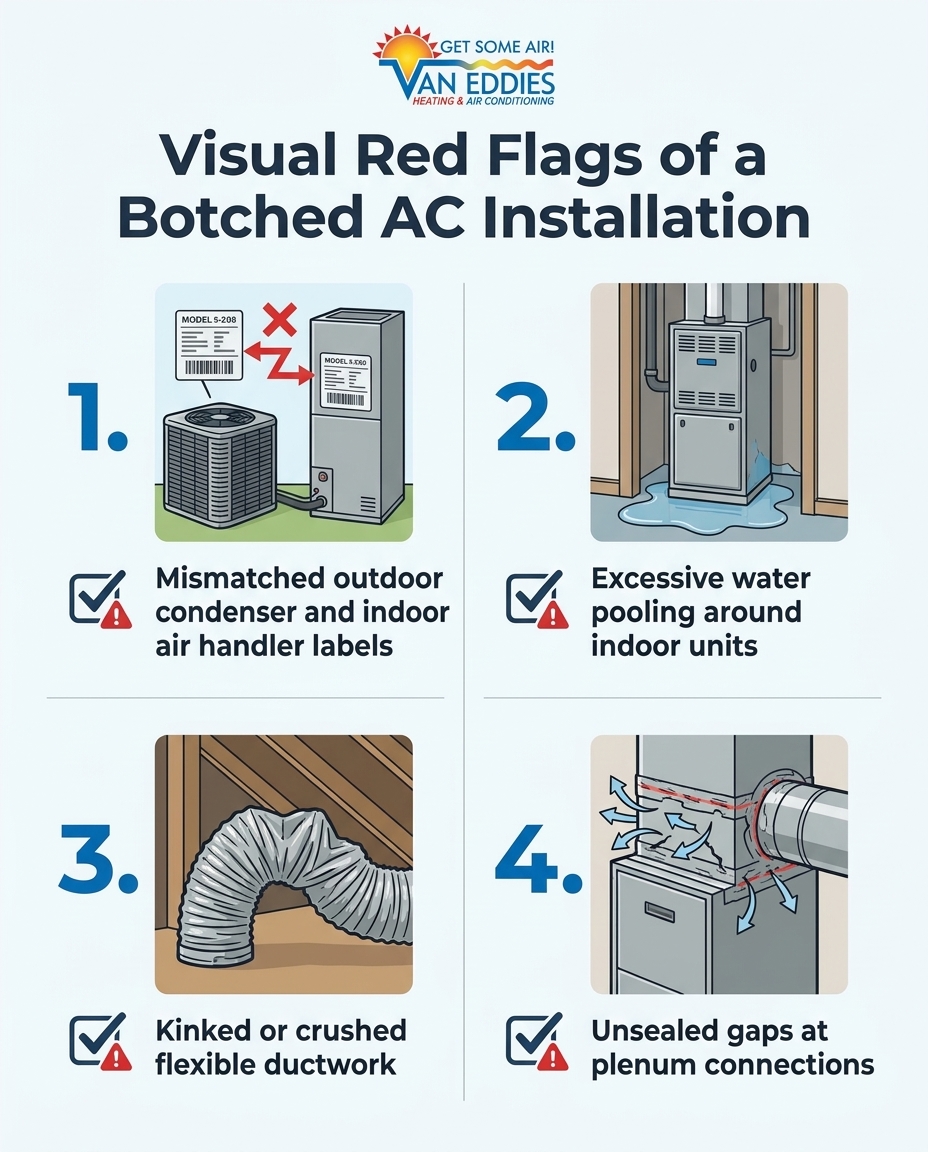
If you suspect the contractor who installed your system over the summer cut corners, there are several safe, visual-only checks you can perform. You do not need to be a technician, and you should absolutely never touch electrical components, open sealed panels, or handle refrigerant lines. However, a simple visual inspection can give you the evidence you need to call for a second opinion during the October fall transition.
• Mismatched brand plates or model series: Look at the nameplate on the large outdoor unit (the condenser) and compare it to the indoor unit (the air handler or furnace). While there are rare exceptions, a rushed installer will sometimes pair a new outdoor unit with an old, incompatible indoor unit, or mix brands that were never designed to communicate with one another.
• Excessive condensation or water pooling: A properly installed air conditioner should drain condensation cleanly through a dedicated PVC line. If you see water pooling around the base of your indoor unit, dripping down the sides, or soaking the surrounding floor, the drainage system was likely installed at the wrong angle or left unsealed.
• Visible kinks or crushed sections in flexible ductwork: If you have access to your attic or basement, shine a flashlight on the flexible ducts leading away from the indoor unit. They should look like smooth, gently curving tubes. Sharp bends, tight kinks, or areas where the duct looks stepped on will severely restrict your system's ability to breathe.
• Unsealed gaps at connection points: Look at the area where the metal equipment connects to the ductwork (the plenum). A professional installation uses specialized mastic sealant or high-quality foil tape to make this connection airtight. If you can feel cold air blowing out into your attic or garage, or if you just see standard gray duct tape peeling away, you are losing money every time the system runs.
How Poorly Routed Ductwork Chokes Your System's Airflow
Even the highest-tier, most expensive air conditioning equipment on the market will fail if the ductwork cannot support its airflow requirements. Ductwork is the respiratory system of your home. When another contractor rushes an installation, they often connect a brand-new, powerful blower motor to old, undersized, or poorly routed ducts. This creates an immediate and severe bottleneck.
Air takes the path of least resistance. If your ductwork features sharp turns, crushed sections, or poorly designed branches, the conditioned air will simply dump into the rooms closest to the indoor unit. This leaves the furthest rooms starved of cooling, resulting in severe airflow imbalances. You might notice that your master bedroom feels like an icebox while the living room feels stagnant, with indoor humidity lingering above 60% in those starved zones.
The Hidden Strain on Your Blower Motor
Poorly routed ductwork doesn't just cause uneven cooling; it actively damages your new equipment. When a blower motor has to push air through restricted pathways, the static pressure inside the system skyrockets. The motor has to work twice as hard just to move a normal volume of air. This constant strain leads to overheating, excessive energy consumption, and premature failure of the motor.
If you are experiencing these airflow imbalances, it is highly recommended to schedule an AC diagnostic test. A proper diagnostic will measure the static pressure inside your ductwork, proving definitively whether your summer installer choked your new system by hooking it up to inadequate ducting.
The Value of an Independent System Audit
When a homeowner notices lingering dampness or short cycling during the October fall transition and calls the original contractor, the response is often frustrating. Less experienced contractors who rushed the job during the summer peak will frequently dismiss homeowner concerns as "normal operation" or blame the changing weather. They do not want to admit that the system they installed is mismatched or that they skipped the essential load calculation.
This is where an independent system audit becomes invaluable. Having a qualified third party evaluate the original installer's work allows you to identify necessary corrections before the system suffers a catastrophic mechanical failure. Our team has specific expertise in diagnosing and correcting poorly routed and mismatched systems installed by other contractors. We know exactly where to look for the shortcuts.
What a Comprehensive Audit Entails
A professional audit goes far beyond just turning the thermostat on and off. When an expert evaluates your suspect system, they perform a deep dive into the mechanics and design:
• Load Calculation Verification: The technician will measure your home's square footage, window placement, and insulation levels to determine exactly how much cooling capacity you actually need, comparing it to the oversized unit that was installed.
• Airflow and Static Pressure Measurement: Using specialized gauges, the technician tests the resistance in your ductwork to ensure the blower motor isn't being choked.
• Component Matching Checks: The auditor will pull the exact model numbers from both the indoor and outdoor units to verify with the manufacturer that they are legally and functionally designed to work together.
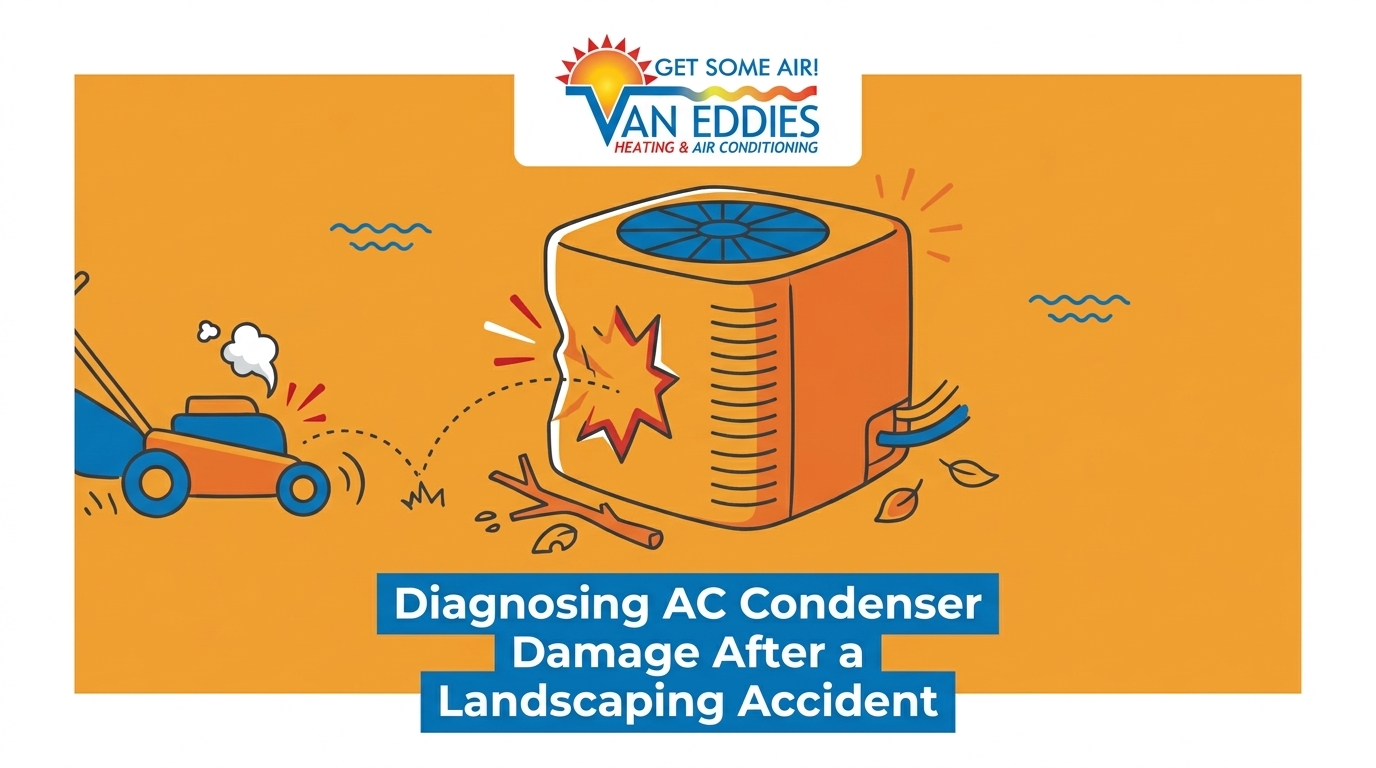
Our technicians are highly accustomed to stepping in when things go wrong and delivering immediate solutions. For example, one local customer needed emergency help this past spring when their outside AC unit was severely damaged by routine lawn maintenance. We responded immediately and had the air conditioning fixed the very same day. We bring that exact same urgency, precision, and dedication to customer comfort when auditing a botched summer installation. If an audit reveals that the original work is entirely unsalvageable or dangerous, you will have the documented proof you need to consider a proper AC Replacement done the right way.
Validating Your Suspicions Safely
Before you call for a professional audit, taking a few days to document your system's behavior can be incredibly helpful. This gives the auditing technician a clear history of the problem, proving that the issues are consistent and not just a one-off fluke. Here are the actionable steps you can take to validate your suspicions safely:
1. Monitor the thermostat's humidity reading: Keep a log of your indoor humidity over a 48-hour period. Check it in the morning, mid-day, and evening. If you see the indoor humidity lingering above 60% consistently, write down those exact numbers and the time of day.
2. Track your energy bills: Pull your utility statements from the late summer and early fall. Compare them to the same months from the previous year. If your bills remain unusually high despite the milder weather and shorter run times, your new system is drawing too much power.
3. Listen for abnormal operational sounds: Pay attention to how the system sounds when it turns on. Document any loud banging on startup, constant clicking from the electrical panel, or a high-pitched whistling noise coming from your return vents (a classic sign of starved airflow).
4. Document all visual observations: Take clear photos of any mismatched labels, kinked ductwork, or water pooling around the indoor unit. Keep these photos in a folder on your phone.
5. Contact a trusted local professional: Once you have your notes and photos together, reach out to an independent expert in Orlando AC Services to schedule your comprehensive audit.
Frequently Asked Questions About Poor AC Installations
How do I know if my AC was installed incorrectly?
The most common signs of an incorrect installation are uneven cooling, constant short cycling, and unusually high energy bills right from the start. You might also notice visual red flags like unsealed duct connections, excessive water pooling near the indoor unit, or strange noises like loud banging when the system turns on. If your home never quite reaches a comfortable temperature despite the system running, a professional audit is highly recommended.
Why is my new AC not removing humidity?
Your new AC is likely not removing humidity because it is oversized for your home, causing it to short-cycle. When a system cools the air too rapidly, it shuts off before the indoor coil has enough time to extract moisture from the air. This results in the temperature dropping while leaving your indoor humidity lingering above 60%, creating a damp and uncomfortable environment.
What happens if an AC is installed wrong?
If an AC is installed wrong, it will suffer from poor efficiency, frequent breakdowns, and a drastically reduced lifespan. Poor duct routing will choke the blower motor, while mismatched indoor and outdoor units will prevent the system from ever operating at its advertised efficiency rating. Over time, the constant mechanical strain will lead to premature failure of expensive components like the compressor.
Can a bad AC installation cause high electric bills?
Yes, a bad AC installation is a leading cause of inexplicably high electric bills. If the system is oversized and short cycling, the constant starting and stopping draws massive amounts of electricity. Additionally, if the ductwork is leaking conditioned air into your attic or garage, your system has to run much longer to cool your living spaces, driving your utility costs up even further.
Is it normal for a brand-new AC to run constantly on milder days?
No, it is not normal for a brand-new AC to run constantly on milder days. During the fall transition, the cooling load on your home decreases, so a properly sized and functioning system should run in steady, predictable cycles and then shut off. If it is running non-stop or struggling to maintain the set temperature in mild weather, there is likely a fundamental flaw in the installation or ductwork design.
Secure Your Comfort Before the Weather Shifts Completely
Trusting your instincts is the most important step in protecting your home comfort investment. If you are noticing visual red flags, hearing strange noises, or feeling clammy air during the October fall transition, your suspicions are likely correct. Rushed summer jobs rarely fix themselves, and ignoring the problem will only lead to more expensive mechanical failures down the road. Take action now to have your suspect system evaluated by an independent professional before the winter weather fully arrives. Securing a proper system audit today ensures you have a clear, documented path to restoring the reliable, efficient comfort you originally paid for.
Customer Testimonials


READY TO TRANSFORM YOUR HOMe?