



Heat Pump Installation in Seminole County, FL



Heat pump installation in Seminole County, FL is a practical, energy efficient option for homeowners who want reliable cooling in the long hot, humid months and steady, efficient heating during mild winters. Proper installation is the single most important factor in how well a heat pump performs, how long it lasts, and how much it costs to operate. Van Eddies Heating & Air Conditioning brings experience and a methodical approach to every installation to ensure your system matches your home, your comfort needs, and Seminole County climate conditions.
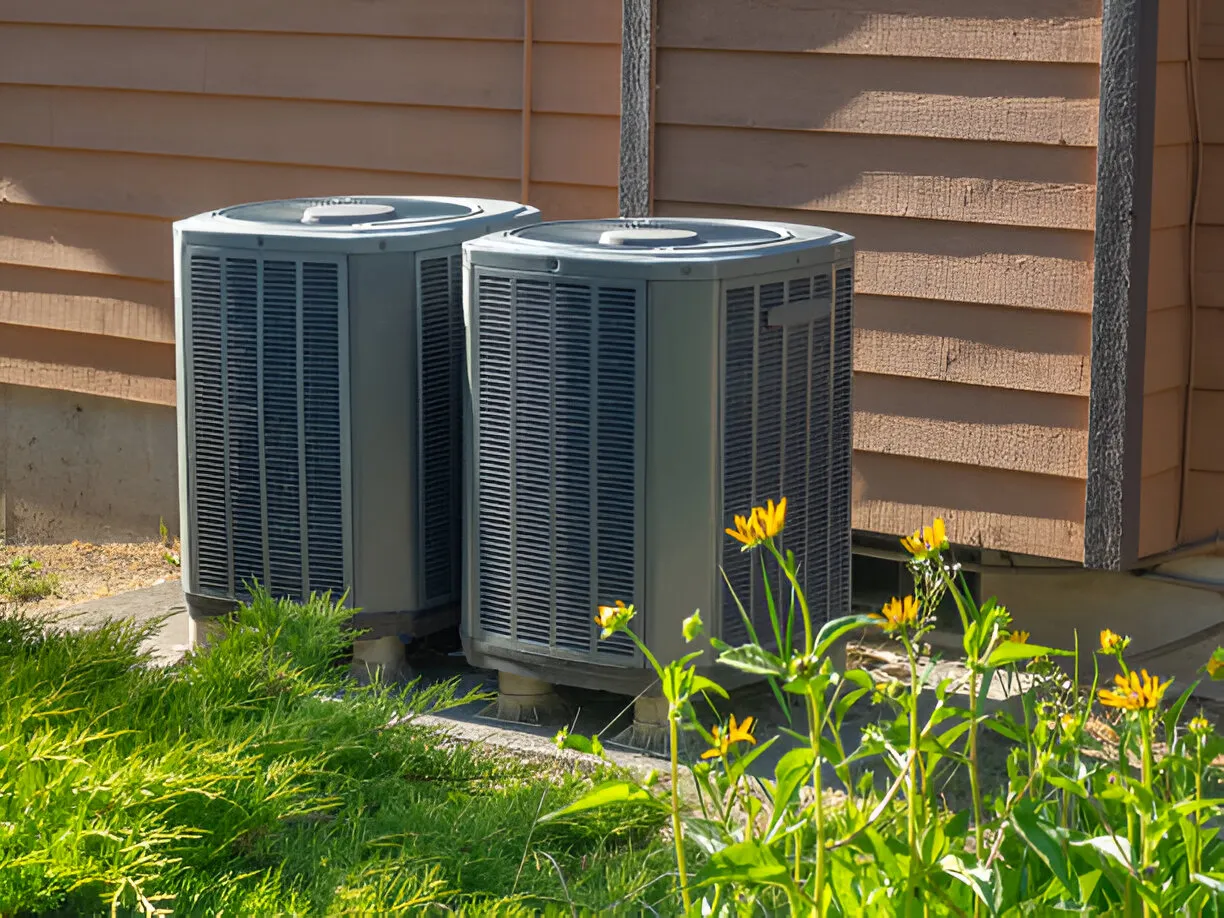
Why a heat pump is a good fit for Seminole County homes
Seminole County has long, humid summers and short, mild winters. That climate makes heat pumps especially attractive because a single system can provide efficient cooling and heating year round. Key benefits include:
- High seasonal energy efficiency that reduces monthly electricity consumption during cooling months.
- Built-in dehumidification features that improve indoor comfort and reduce mold risk in humid conditions.
- Quiet operation and consistent temperature control with modern inverter-driven compressors and variable-speed blowers.
- Dual-purpose equipment means lower upfront cost than separate furnace and air conditioner systems for most Florida homes.
Choosing the right heat pump and installing it correctly are essential to realize these benefits in Seminole County homes. Poor sizing, improper refrigerant charge, or inadequate ductwork can negate efficiency gains and create comfort problems.
Common heat pump situations and reasons to install or replace
Homeowners typically consider a heat pump installation when they encounter one or more of the following:
- Old equipment that frequently breaks down or uses outdated refrigerant and low SEER ratings.
- Uneven cooling or heating across rooms indicating improper sizing or duct issues.
- High energy bills compared to neighborhood norms, suggesting inefficiency.
- Desire to replace separate heating and cooling systems with one high-efficiency heat pump.
- New construction, room additions, or major renovations where an updated HVAC approach is needed.
- Need for better humidity control for health and building envelope protection in humid Florida climates.
Understanding the problem first guides whether a full replacement, system conversion, or targeted upgrade (such as a matched outdoor unit and indoor coil, or a ductless mini-split for an addition) is the right solution.
Types of heat pump systems commonly installed in Seminole County
- Split system heat pumps: Standard outdoor condensing unit paired with an indoor air handler and ducted distribution. Best for whole-home installations where existing ducts are in good condition.
- Ductless mini-splits: Ideal for additions, bonus rooms, or homes without ducts. They provide zoning control and high efficiency.
- Packaged heat pumps: All components contained in one outdoor unit; used on small homes or where indoor mechanical space is limited.
- Variable speed and inverter-driven systems: Provide superior efficiency, better humidity control, and quieter operation in Florida’s variable loads.
Selecting the system type depends on home layout, ductwork condition, comfort goals, and budget constraints.
Site assessment and load calculations
A professional installation begins with a thorough site assessment and accurate load calculations tailored to Seminole County conditions. Key steps include:
- Home inspection: Assess attic and wall insulation levels, existing ductwork layout and condition, window types, shading, and air infiltration points.
- Manual J load calculation: Determine the precise heating and cooling capacity required for your specific home. This prevents oversized or undersized equipment, which cause short cycling or inadequate comfort.
- Manual D duct design review: Evaluate airflow needs and determine whether existing ducts provide balanced distribution. Identify required duct sealing, insulation, or reconfiguration.
- Manual S equipment selection guide: Match calculated loads to equipment capacities while considering local climate, expected usage patterns, and efficiency targets.
Load calculations in Seminole County must account for high latent loads caused by humidity and the solar heat gain typical in Florida. Properly sized equipment combined with appropriate airflow and refrigerant charge delivers the best comfort and efficiency.
Equipment selection: efficiency and climate considerations
When selecting heat pumps for Seminole County, installers weigh several performance and reliability attributes:
- SEER and HSPF ratings: Higher SEER means lower cooling energy use. HSPF indicates heating efficiency in heat pump mode. For humid climates, prioritize units with strong dehumidification performance in cooling mode.
- Variable speed compressors and fans: These adjust output to match demand, reducing short cycling and improving humidity control, which is especially beneficial in Seminole County humidity conditions.
- Matched components: Ensuring the outdoor unit and indoor coil are matched by the manufacturer optimizes refrigerant performance and warranty coverage.
- Refrigerant type and future proofing: Choose equipment using current, widely supported refrigerant formulations with attention to long-term serviceability.
- Corrosion protection: Coastal influence and humid air can accelerate corrosion on outdoor coils and cabinets. Look for protective coatings and durable materials suited for Florida exposure.
- Noise ratings: Lower sound levels are preferable in dense neighborhoods and for homes with outdoor living spaces.
The final equipment recommendation balances local climate demands, desired efficiency, longevity, and homeowner preferences for comfort and indoor air quality.
Permitting and code compliance in Seminole County
Professional installations must comply with Seminole County permitting and Florida Building Code requirements. Common compliance steps include:
- Permit submission: Submitting detailed plans and equipment specifications to the local building department before work begins.
- Energy code compliance: Verifying that the new system meets or exceeds state and county energy efficiency standards.
- Electrical and mechanical inspections: Ensuring electrical service, disconnects, wiring, and safety devices meet code and that the mechanical installation follows manufacturer and building code guidelines.
- HOA and local restrictions: Checking for neighborhood or community guidelines about outdoor equipment placement, screening, and sound.
Adhering to permitting and inspection requirements protects warranties and ensures the system is installed to acceptable safety and performance standards.
The professional installation process
A quality heat pump installation follows a clear, documented sequence of steps. For Seminole County homes, these generally include:
Pre-install preparation
- Safe access and staging area established for equipment and tools.
- Verification of permits and pre-install conditions such as electrical capacity and line of sight for condenser placement.
- Homeowner orientation on the timeline and expected disruptions.
Removal of existing equipment
- Safe reclaiming and disposal of refrigerant per EPA guidelines.
- Careful removal of old equipment to protect docks, landscaping, and finishes.
Ductwork inspection and modifications
- Testing duct leakage, balancing airflow, and sealing connections.
- Adding insulation to ducts in unconditioned attics where required.
- Modifying or replacing duct segments to meet calculated airflow needs.
Outdoor unit installation
- Level concrete or composite pad installation to elevate the unit above flood or pooling risk.
- Proper clearances maintained around the unit for airflow and service access.
- Secure attachment and vibration isolation to reduce noise transfer.
Indoor unit and coil installation
- Mounting air handler or coil in an access location with proper condensate trap and drain line slope.
- Ensuring proper coil match and refrigerant line lengths meet manufacturer guidelines.
Electrical and control wiring
- Installing dedicated electrical circuits, disconnects, surge protection, and correct wire sizing.
- Wiring thermostats and controls, including smart thermostats if selected, for optimized schedules and zoning.
Refrigerant charging and leak checks
- Evacuating lines, charging to manufacturer specified superheat/subcool and pressure targets, and performing leak detection.
- For systems with long line sets or unique installation conditions, careful charge adjustments ensure peak performance.
System commissioning
- Running the system through heating and cooling cycles, balancing airflow, and verifying temperatures and humidity control.
- Documenting performance data and leaving a clearly labeled system for future servicing.
Each step is executed to manufacturer standards and local codes to maximize system life and performance in Seminole County conditions.
System startup and performance testing
Startup and testing validate that the heat pump meets design specifications. Core checks include:
- Refrigerant charge verification: Confirming correct charge for efficiency and longevity.
- Airflow measurements: Ensuring supply and return CFM per zone match designed values.
- Temperature split testing: Verifying expected temperature rise or drop across the coil to confirm cooling and heating performance.
- Electrical load checks: Confirming amps and voltage are within safe operating range.
- Static pressure measurement: Detecting duct restrictions that can reduce system efficiency and comfort.
- Humidity and dehumidification performance testing: Especially important in Seminole County to ensure the system can manage latent loads and maintain comfort.
- Safety control checks: Verifying defrost cycles, high and low pressure cutouts, condensate safety switches, and thermostat interlocks.
Comprehensive testing provides documented proof the installation was performed correctly and uncovers adjustments before final handoff.
Warranty coverage and owner orientation
A professional installation includes clear warranty and ownership guidance:
- Manufacturer warranty overview: Explain the duration and terms for compressor, coil, and other covered components and any registration requirements that may extend coverage.
- Workmanship warranty: Describe the contractor workmanship warranty for installation-related issues and what it covers.
- Maintenance requirements: Outline the maintenance steps necessary to preserve warranty validity such as annual inspections and recommended 21-point tune-ups.
- Owner orientation: Walk through thermostat programming, filter replacement schedules, how to interpret basic fault codes, and seasonal considerations such as pre-storm securing and air handler access.
- Documentation: Provide a homeowner folder with equipment manuals, wiring diagrams, permit and inspection records, warranty registrations, and a maintenance checklist tailored for Seminole County conditions.
Good orientation empowers homeowners to operate and maintain the system correctly for peak performance and long life.
How installation addresses common heat pump problems
A proper installation solves or prevents many common issues Seminole County homeowners experience:
- Short cycling: Correct sizing and matched equipment prevent rapid on-off cycles that reduce efficiency and comfort.
- Poor humidity control: Variable speed systems and correct airflow reduce indoor humidity levels without excessive running.
- Uneven temperatures: Proper load calculation and duct balancing prevent hot or cold rooms.
- High utility bills: Right-sized, high-efficiency equipment installed to manufacturer standards reduces operating costs compared to older systems.
- Excessive noise: Proper pad installation, vibration isolation, and careful placement reduce outdoor and indoor noise transfer.
- Frequent refrigerant leaks or compressor failures: Tight brazing, quality refrigerant handling, and testing ensure long-term reliability.
Addressing root causes during installation is less costly and more effective than reactive repairs later.
Maintenance and seasonal considerations for Seminole County
Regular maintenance is critical to keep heat pumps performing well in Florida’s climate. Recommended measures include:
- Annual professional tune-up: A 21-point inspection that covers refrigerant levels, airflow, electrical safety, coil cleaning, and condensate drainage.
- Filter maintenance: Check and replace filters every 1 to 3 months depending on filtration type and household conditions.
- Coil and drain line cleaning: Keep outdoor coils free of debris and ensure condensate drains are clear to prevent water damage and microbial growth.
- Duct sealing and insulation checks: Periodic inspection in attics and crawlspaces to maintain efficiency.
- Pre-storm preparation: Secure outdoor units and protect exterior components during hurricane season, and verify drainage after storms to prevent pooling near equipment.
Proactive maintenance extends system life, preserves efficiency, and reduces the chance of emergency failures during extreme weather.
Financing and incentives for Seminole County installations
Many homeowners offset upfront costs through financing programs and incentives. Typical options include:
- Contractor financing programs: Flexible payment plans that spread the cost of installation over months or years.
- Utility rebates and local incentives: Seminole County and regional utilities often offer rebates or incentives for high-efficiency systems or heat pumps that meet specific performance criteria.
- Manufacturer promotions and extended warranty offerings: Periodic manufacturer programs may provide extended parts or labor protections when systems are registered after installation.
- State and federal tax credits: Energy efficiency tax incentives and credits sometimes apply to qualifying heat pump installations and home energy upgrades.
Discussing financing and incentive options early in the project planning helps homeowners choose equipment that meets comfort goals and budget constraints while maximizing available savings.
What to expect timeline-wise for a typical installation
While timelines vary by project scope, the typical breakdown for a whole-home heat pump installation is:
- Initial assessment and load calculations: 1 to 3 days including scheduling.
- Permit approval: Varies by jurisdiction, commonly 3 to 10 business days.
- Equipment delivery and staging: 1 to 3 days once ordered.
- Installation day(s): Single-family home replacements commonly take 1 to 3 days depending on ductwork modifications and complexity.
- Final inspection and commissioning: Often completed within 24 to 48 hours of final work.
Complex projects, such as major duct redesigns or new construction, will have longer timelines tied to construction schedules and permit cycles.
Preparing your home for installation
Homeowners can prepare to make the installation process smooth and safe:
- Clear access to indoor air handler and outdoor equipment locations.
- Remove valuables and fragile items near work areas.
- Ensure pets and children are secured away from work zones.
- Provide documentation about prior equipment or any recent HVAC work, if available.
- Make note of any known duct issues, cold spots, or thermostat problems to discuss during assessment.
Preparation minimizes delays and helps installers focus on technical tasks.
Long-term benefits of a correctly installed heat pump in Seminole County
A properly selected and installed heat pump offers long-term advantages:
- Lower annual energy costs due to higher SEER and better system matches.
- Improved indoor comfort and more consistent temperatures across living spaces.
- Reduced humidity levels resulting in less mold risk and better air quality.
- Fewer emergency repairs and longer equipment life with preventative maintenance.
- Greater home value and marketability by modernizing HVAC systems to current efficiency standards.
When installation is performed to code and manufacturer standards, homeowners get predictable performance and peace of mind even in Seminole County’s challenging climate.
Maintenance Plan
Heat Pump/ AC Tune-Up

Furnace Tune-Up
Customer Testimonials