



Heat Pump Maintenance in Lake Nona, FL



Keeping a heat pump running efficiently in Lake Nona, FL, requires more than intermittent attention. Van Eddies Heating & Air Conditioning provides professional, preventative heat pump maintenance designed for the local climate, housing stock, and year round cooling needs of Lake Nona homes.
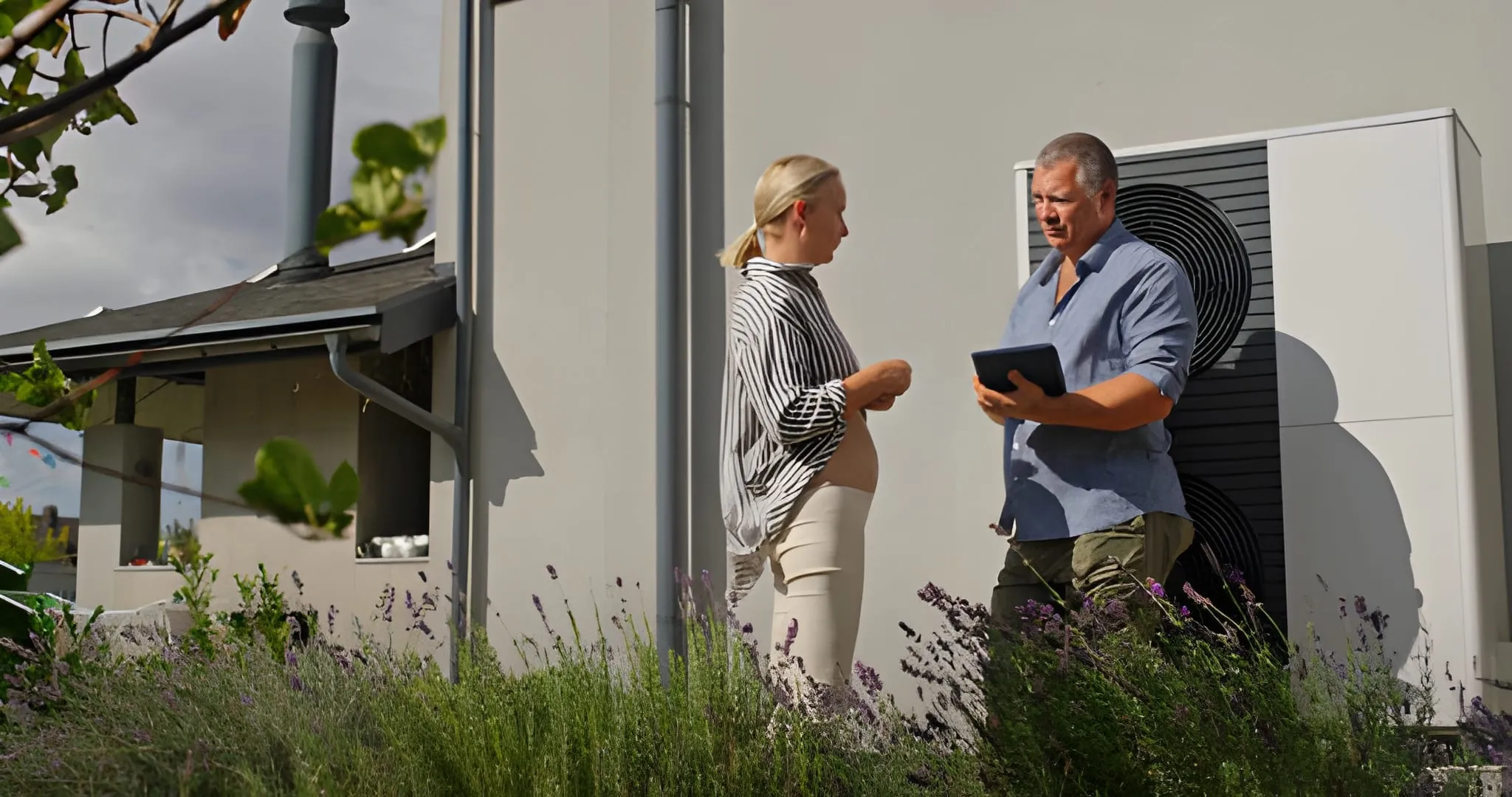
Why heat pump maintenance matters in Lake Nona
Lake Nona is part of the Orlando metro area, where hot, humid summers create continuous demand on heat pump systems. That constant load increases wear on components and accelerates issues like clogged condensate drains, coil corrosion, and refrigerant leaks. Many Lake Nona homes are newer construction or have modern, high efficiency systems that still need precise care to maintain rated performance and preserve warranties.
Regular maintenance:
- Keeps cooling efficiency high to lower energy usage and comfort costs.
- Reduces the risk of mid-summer breakdowns when outdoor temperatures and humidity are at their peak.
- Extends equipment life by preventing component stress and early failure.
- Preserves manufacturer warranty coverage in many cases by providing documented upkeep.
- Improves indoor air quality by maintaining proper airflow and filtration.
Van Eddies Heating & Air Conditioning combines local knowledge with industry best practices to tailor heat pump maintenance for Lake Nona homes, focusing on the issues that matter most in a humid subtropical climate.
Common heat pump problems in Lake Nona homes
Heat pumps in Lake Nona commonly show issues related to humidity, heavy seasonal use, and construction practices. Knowing these patterns helps homeowners recognize early warning signs.
Frequent local issues include:
- Clogged condensate drains and pans that cause water overflow and mold growth.
- Dirty outdoor condensers and indoor evaporator coils that reduce heat transfer.
- Refrigerant undercharge or leaks from vibration, poor installation, or aging lines.
- Electrical wear on contactors, capacitors, and relays from repeated cycling.
- Poor airflow due to dirty filters, blocked vents, or duct leakage in newer builds.
- Short cycling caused by oversized equipment or thermostat and control problems.
- Corrosion on coils and fasteners from persistent humidity.
- Frozen evaporator coils resulting from restricted airflow or low refrigerant.
Recognizing these signs early avoids emergency repairs and protects indoor comfort. Common warning signals include reduced cooling, uneven temperatures, unusual noises, water pooling near indoor equipment, ice formation on coils, and noticeable increases in energy use.
What a professional heat pump maintenance visit includes
A thorough preventative maintenance visit looks beyond a quick visual inspection. Van Eddies uses a systematic checklist to ensure the heat pump is safe, efficient, and reliable. Below is the typical comprehensive maintenance sequence, explained in clear terms.
Pre-inspection and homeowner review
- Review recent system history and homeowner observations, including any unusual sounds, smells, or comfort issues.
- Confirm thermostat settings and controls.
Airflow and filtration
- Inspect and recommend replacement for filters. Filters are checked visually and measured for pressure drop when necessary.
- Check supply and return vents for obstructions and proper operation.
- Inspect blower assembly for dust buildup and correct motor amp draw.
Coil and condensate maintenance
- Clean the outdoor condenser coil and inspect for bent fins or corrosion that impede airflow.
- Clean the indoor evaporator coil where accessible, removing dust and biological growth that reduce heat transfer.
- Flush and clear the condensate drain line and check the condensate pan and float switch for proper operation to prevent water damage and mold.
Refrigerant and leak diagnostics
- Confirm refrigerant charge using temperature and pressure readings and evaluate system superheat and subcooling.
- Inspect refrigerant lines for signs of leaks, corrosion, or damage. If a leak is suspected, perform leak detection using accepted methods and recommend repair plans if needed.
Electrical and control inspection
- Tighten electrical connections and inspect terminal blocks, fuses, contactors, and capacitors for wear or overheating.
- Measure voltage and amperage on major components to ensure safe and efficient operation.
- Verify thermostat calibration, wiring, and program settings.
Component performance and safety checks
- Test starting components, run capacitors, and motor amperage for proper function.
- Verify compressor operation and listen for abnormal noises indicating bearing or mechanical issues.
- Test safety controls, including high and low pressure cutouts, defrost cycle operation, and emergency shutdown features.
System performance testing
- Measure temperature split across the coil and overall system performance to confirm efficiency.
- Evaluate duct static pressure if airflow issues are suspected.
- Provide a service report summarizing findings, recommended repairs, and efficiency observations.
Documentation and recommendations
- Provide a clear, written summary of performed tasks, observed conditions, and prioritized recommendations for repairs or upgrades.
- Discuss maintenance frequency and filter type recommendations tailored to the home, pet situation, and indoor air quality concerns.
Routine maintenance tasks explained
Homeowners often want to understand what each maintenance task does and why it matters. Below are the routine tasks performed during a heat pump maintenance visit and the impact they have.
Coil cleaning (evaporator and condenser)
- Purpose: Restore heat transfer efficiency by removing dust, pollen, and biological buildup.
- Impact: Improved cooling capacity, reduced run time, and lower energy consumption.
Condensate cleaning
- Purpose: Prevent water backups that cause indoor water damage and mold growth.
- Impact: Reduces risk of secondary damage and maintains indoor air quality.
Filter inspection and replacement
- Purpose: Maintain proper airflow and protect internal components from dust.
- Impact: Better comfort, fewer component failures, and reduced allergens in the home. Filters are typically checked monthly and replaced as needed.
Refrigerant checks and leak detection
- Purpose: Ensure proper refrigerant charge and identify leaks that reduce cooling and damage the compressor.
- Impact: Correct charge maximizes efficiency and prevents compressor overheating and failure.
Electrical inspection and tightening
- Purpose: Prevent arcing, failures, and unsafe operating conditions by addressing loose connections and worn components.
- Impact: Increased safety, fewer electrical failures, and extended component life.
Safety control tests
- Purpose: Confirm that system cutouts and safeties operate to protect equipment and the home.
- Impact: Peace of mind and reduced risk of catastrophic failures.
Lubrication and mechanical checks
- Purpose: Keep motors and moving parts running smoothly where applicable.
- Impact: Quiet operation and reduced mechanical wear.
Thermostat calibration and control verification
- Purpose: Ensure accurate comfort control and efficient cycling.
- Impact: Improved temperature consistency and energy savings.
Recommended maintenance schedule for Lake Nona heat pumps
Climate and usage patterns in Lake Nona guide frequency recommendations. Van Eddies advises homeowners based on system age, usage, and indoor air quality needs.
General schedule guidance
- Professional tune-up: At least once per year for modern heat pumps in Lake Nona, with strong consideration for two professional tune-ups per year for households that run systems heavily or have high indoor humidity.
- Filters: Inspect monthly. Replace every 1 to 3 months depending on filter type, presence of pets, and indoor air quality needs.
- Condensate and coil cleaning: Annually at a minimum; more frequent cleaning may be needed in high dust environments or after construction.
- Duct inspection and cleaning: Every 3 to 5 years or when recommended based on air quality or airflow issues.
- Refrigerant inspection: Annually. If a leak is detected, schedule repair and recharging as soon as practical.
Why semiannual can be advantageous in Lake Nona
- Because cooling demand is high and year round, a spring cooling tune-up and a fall check help ensure the system handles peak loads and is prepared for seasonal changes. Semiannual visits allow technicians to spot developing issues earlier and maintain peak efficiency through Lake Nona summers.
Benefits of regular heat pump maintenance
Investing in routine maintenance delivers measurable benefits beyond comfort. For Lake Nona homeowners, these advantages translate to fewer emergency repairs and better long-term value from the HVAC investment.
Key benefits
- Improved energy efficiency and lower monthly operating costs.
- Fewer breakdowns during peak cooling periods.
- Extended equipment life and deferred replacement cost.
- Better indoor air quality through maintained filtration and cleaned coils.
- Documented maintenance that supports warranty compliance and home resale value.
- Safer operation through addressed electrical and control issues.
Regular maintenance is preventative care: a modest ongoing investment that reduces the likelihood of expensive emergency repairs and improves overall household comfort.
Membership and plan options tailored for Lake Nona
Van Eddies offers tiered maintenance plans designed to meet different homeowner priorities while ensuring professional care and consistent recordkeeping. Typical features of maintenance membership plans include the following.
Standard maintenance plan features
- Scheduled seasonal tune-ups performed by qualified technicians.
- Written maintenance reports with recommendations and safety notes.
- Filter change reminders and guidance on filter type selection.
- Priority appointment windows for members when technician capacity allows.
- Discounted diagnostic fees and preferred labor rates for member repairs.
Premium plan additions
- Twice yearly professional tune-ups timed for cooling and off-peak checks.
- Complimentary indoor air quality assessments at scheduled visits.
- Enhanced service tracking and historical records for each unit.
- Priority dispatch during extreme weather service demand.
Enrollment and plan administration
- Plan enrollment involves providing system details and selecting desired service frequency. Van Eddies completes an initial inspection to establish baseline condition and recommends a plan level.
- Ongoing enrollment benefits include recurring reminders and a documented maintenance history for the homeowner.
Plans are structured to fit a range of property profiles in Lake Nona, from single family homes to townhomes and new construction properties. The membership approach delivers scheduled care, consistent documentation, and predictable system upkeep.
What to expect from Van Eddies technicians
Van Eddies Heating & Air Conditioning technicians bring experience with Orlando area systems and the specific demands of Lake Nona homes. Homeowners can expect the following professional standards at each visit.
- Certified and trained technicians who follow a systematic checklist and document all findings.
- Clear communication in plain language about system condition and necessary repairs.
- Respect for the home with jobsite cleanliness and protection of finished surfaces.
- Detailed reporting that includes measured values, observed issues, and prioritized recommendations.
Technicians will always explain how each recommended repair or adjustment impacts performance and safety so homeowners can make informed decisions.
Troubleshooting common issues between service visits
Even with regular maintenance, homeowners may encounter issues. Here are practical steps to identify common heat pump problems and determine if professional attention is required.
Reduced airflow
- Check the filter first. A visibly dirty filter often reduces airflow.
- Verify vents are open and unobstructed.
- If filters are clean and airflow remains weak, the blower motor or ducts may need inspection.
No cooling or weak cooling
- Confirm the thermostat is set correctly and batteries are not depleted.
- Check outdoor unit for blockage from debris, vegetation, or mulch.
- If the outdoor unit is running but cooling is poor, suspect refrigerant or coil issues.
Water around indoor unit
- Inspect condensate pan and nearby piping for clogs or visible leaks.
- Persistent water usually indicates a blocked drain or float switch failure and warrants prompt professional service.
Unusual noises
- Rattles or loose panels can often be tightened, while grinding or burning smells indicate mechanical or electrical concerns that need immediate service.
Short cycling
- Frequent on/off cycles may point to thermostat placement, control issues, or oversized equipment. Document the pattern and have a technician evaluate.
Addressing small issues early prevents escalation and helps maintain efficiency and reliability through peak use seasons.
Enrollment and scheduling process (what homeowners should know)
For homeowners considering ongoing heat pump maintenance, an enrollment process typically ensures tailored, reliable service while documenting the system history.
Typical enrollment steps
- Provide system details: model, age, location of indoor and outdoor units, and recent service history.
- Select plan frequency: single annual tune-up, semiannual visits, or a premium plan with added benefits.
- Initial baseline visit: a comprehensive inspection establishes the system condition, cleans accessible components, and sets a maintenance schedule.
- Ongoing plan administration: homeowners receive scheduled reminders and service reports after each visit. Plans include documentation useful for warranties and resale.
The enrollment process is designed to be straightforward and to create a maintained record that benefits both system performance and homeowner peace of mind.
Maintenance records, warranties, and resale value
Documented maintenance is more than good practice; it has tangible benefits for warranty claims and real estate transactions.
- Many manufacturers require routine maintenance records to preserve warranty coverage for parts like compressors and coils.
- A documented service history demonstrates to prospective buyers that the system was cared for, often improving resale value and buyer confidence.
- Maintenance reports from Van Eddies include clear, dated records of inspections, measurements, and recommendations.
How preventative maintenance reduces lifecycle costs
Regular maintenance lowers lifetime costs by preserving efficiency and preventing sudden component failures. Well-maintained heat pumps operate with less strain, consume less energy, and are less likely to require major repairs. This translates into predictable operating costs, fewer emergency service events, and extended equipment life. For Lake Nona homeowners who rely on consistent cooling year round, that predictability is especially valuable.
Final technical notes relevant for Lake Nona properties
- Refrigerant handling: Proper refrigerant charge is critical for performance. Technicians will measure superheat and subcooling to confirm charge is correct and will investigate suspected leaks promptly.
- Indoor air quality: High humidity and pollen in Lake Nona increase the importance of high quality filtration and functional condensate management. Plan selections often include IAQ recommendations.
- Ductwork integrity: Newer construction in Lake Nona may still have duct sealing opportunities. Duct leakage reduces system capacity and increases energy consumption.
- Energy efficiency: Maintaining equipment to operate near its rated SEER/EER performance helps homeowners realize expected energy savings.
Van Eddies Heating & Air Conditioning understands the local environment and building practices in Lake Nona and applies that experience to keep heat pumps performing reliably.
Maintenance Plan
Heat Pump/ AC Tune-Up

Furnace Tune-Up
Customer Testimonials