



Heat Pump Maintenance in Willis, TX



Keeping your heat pump operating reliably and efficiently in Willis, TX requires seasonal attention tuned to local weather patterns and home conditions. Van Eddies Heating & Air Conditioning provides expert heat pump maintenance that focuses on preserving comfort, reducing energy costs, and preventing emergency repairs.
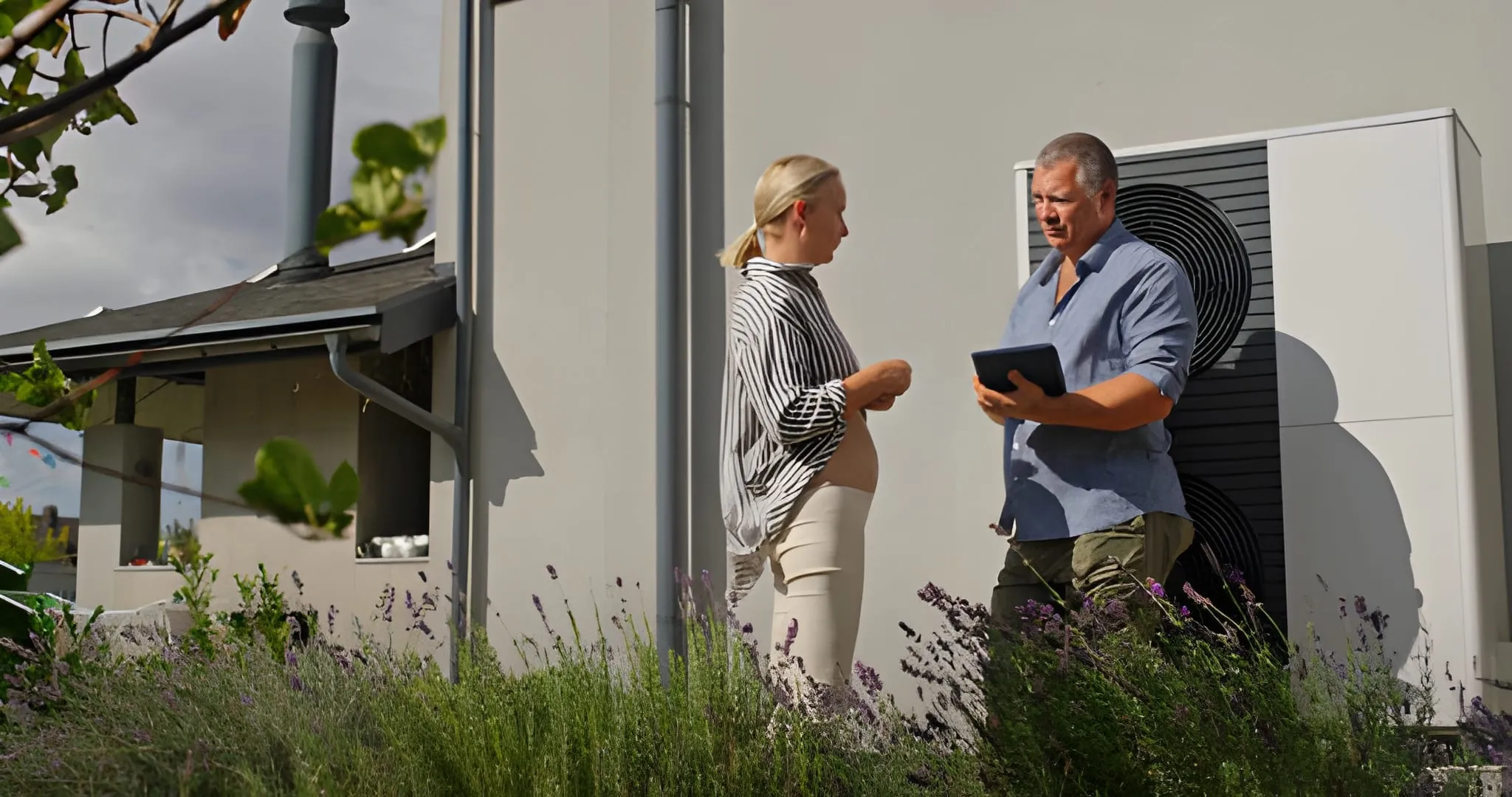
Why heat pump maintenance matters in Willis, TX
Willis sits in Southeast Texas where hot, humid summers and mild but occasionally variable winters put specific stresses on heat pump systems. High humidity increases coil fouling and condensate issues. Pollen, tree debris from nearby pine and mixed hardwoods, and dust from seasonal conditions clog filters more quickly than in drier climates. Frequent on/off cycling during shoulder seasons and heavy run times in summer can expose worn electrical components and refrigerant leaks sooner.
Regular maintenance helps with all of the following:
- Preserve seasonal efficiency so cooling and heating costs stay lower.
- Reduce the chance of mid-summer breakdowns when systems work hardest.
- Extend the practical service life of the heat pump and protect warranty eligibility.
- Improve indoor air quality by addressing hidden moisture and filter problems.
- Ensure safety through electrical and control inspections.
Van Eddies Heating & Air Conditioning structures tune-ups around these local realities so Willis homeowners get predictable comfort year-round.
Common heat pump issues in Willis, TX homes
Understanding common problems helps you recognize when maintenance can prevent larger issues. Typical heat pump issues we see locally include:
- Restricted airflow from dirty filters, blocked returns, or obstructed outdoor units.
- Coil buildup on evaporator or condenser coils caused by pollen, dust, and humidity.
- Clogged condensate drains and pans leading to water damage or indoor humidity problems.
- Refrigerant loss from slow leaks, causing poor cooling/heating performance and higher energy use.
- Electrical component wear such as failed capacitors, contactors, or degraded wiring connections.
- Thermostat calibration or control issues that lead to short cycling or uneven comfort.
- Outdoor unit damage or debris beneath the unit from storms or landscaping.
- Defrost cycle failures in winter months that allow ice buildup on outdoor coils.
Each of these can be identified and addressed through routine, systematic maintenance rather than emergency repairs.
Seasonal tune-up: inspection checklist
A comprehensive seasonal tune-up follows a consistent, itemized checklist so nothing critical is missed. Van Eddies Heating & Air Conditioning uses a detailed process for both cooling-season and heating-season maintenance. Key checklist items include:
- Visual system assessment
- Inspect outdoor unit condition, clear debris, check level of unit, and verify adequate clearance.
- Inspect indoor air handler or furnace cabinet for signs of moisture, corrosion, or pest activity.
- Airflow and filter inspection
- Check filter type and condition; document MERV rating and recommend replacement schedule.
- Measure supply and return airflow to verify adequate system performance.
- Coil cleaning and condition
- Inspect evaporator and condenser coils for dirt, corrosion, and fin damage.
- Clean coils using manufacturer-approved methods to restore heat transfer efficiency.
- Refrigerant checks
- Measure refrigerant pressures and temperatures to confirm proper charge.
- Look for signs of leaks and test service ports and accessible lines.
- Condensate drain and pan service
- Inspect and clear condensate drain lines and pans to prevent clogs and biological growth.
- Treat pans and lines where necessary to inhibit mold and algae.
- Electrical and safety inspections
- Tighten electrical connections, inspect contactors, relays, and capacitors.
- Test safety controls, reversing valve operation, and defrost control in heat pump mode.
- Verify proper voltage and amperage against nameplate specifications.
- Motor, blower, and belt checks
- Inspect blower motor and wheel, lubricate as appropriate, and clean any buildup.
- Check blower belt tension or direct-drive coupling and adjust or replace per need.
- Thermostat and control verification
- Verify thermostat calibration, wiring, and setpoint operation.
- Confirm proper staging and heat/cool transition for heat pump systems.
- System performance evaluation
- Measure temperature split across the evaporator coil and supply air temperature.
- Calculate approximate system efficiency indicators and runtime behavior.
Short notes about items that frequently matter in Willis: during summer tune-ups, we place extra emphasis on coil and condensate maintenance because high humidity and pollen quickly reduce efficiency. During winter tune-ups, we ensure defrost controls and reversing valves operate correctly so that intermittent freezes do not lead to compressor damage.
What each maintenance task solves and why it matters
- Refrigerant level checks: Proper refrigerant charge is essential for heat transfer. Low charge reduces cooling and heating capacity, causes longer run times, and risks compressor failure. Detecting a slow leak early allows targeted repairs and helps maintain efficiency.
- Coil cleaning: Dirty coils insulate heat exchange surfaces, forcing the compressor and fan to work harder and increasing energy use. Cleaning coils restores capacity and helps maintain stable indoor humidity control.
- Condensate drain cleaning: In Willis humidity, drains and pans can grow algae and mold or clog with debris, which leads to overflow, water damage, and microbial contamination. Keeping drains clear reduces the risk of indoor air quality issues.
- Filter replacement guidance: Filters protect equipment and improve indoor air quality. Choosing the right filter and following a replacement schedule based on local pollen and household conditions prevents airflow restriction and keeps the system balanced.
- Electrical and safety inspections: Loose connections and worn components are a primary source of sudden failures. Verifying electrical integrity and safety devices reduces fire risk and prevents breakdowns.
- Performance tuning: Adjusting airflow, verifying thermostat operation, and checking cycle times ensures the heat pump delivers consistent comfort while minimizing energy waste.
Filter guidance specific to Willis, TX
Filter selection and replacement frequency is one of the simplest ways to reduce service issues:
- Standard pleated filters (MERV 6 to MERV 8) are suitable for most homes and should be checked monthly during heavy pollen and summer months; replace every 60 to 90 days depending on clogging.
- Higher efficiency filters (MERV 10 to MERV 13) offer better particulate capture but can reduce airflow if the system is not configured for them; verify with a technician before switching and plan for more frequent checks.
- Homes with pets, active allergy sufferers, or significant outdoor dust often benefit from monthly inspections and replacement when pressure drop indicates restriction.
- Washable filters should be inspected and cleaned every 30 days; they are not a substitute for mechanical filtration when higher indoor air quality is required.
Because Willis experiences high pollen counts during certain seasons and elevated humidity year-round, many homes need more frequent filter attention than in drier regions.
Electrical and safety inspections explained
Electrical problems sometimes show no obvious symptoms until failure. During maintenance we:
- Tighten all accessible electrical connections and inspect wiring for signs of heat damage or corrosion.
- Test capacitors for correct microfarad values and replace marginal units proactively.
- Inspect contactors and relays, cleaning or replacing pitted contacts to ensure reliable switching.
- Check breakers, fuses, and the disconnect to ensure proper protection and labeling.
- Verify safety controls including high-pressure and low-pressure cutouts and float switches on condensate pans.Proactive electrical maintenance reduces the risk of motor burnout and catastrophic compressor damage.
Performance optimization tips for Willis homes
Beyond the tune-up checklist, targeted optimization helps your heat pump run more efficiently:
- Thermostat strategy: Use programmable or smart thermostats to minimize runtime during unoccupied hours while avoiding aggressive setback settings that trigger excessive recovery cycles.
- Duct sealing and insulation: Leaky ducts reduce system capacity and increase run time. Seal and insulate ducts, especially those in attics or crawlspaces.
- Proper refrigerant charge: Ensuring the system is properly charged preserves both efficiency and compressor life.
- Optimize fan speed and airflow: Blower adjustments can improve comfort and humidity control without major equipment changes.
- Zone control: For larger homes, consider zoning to reduce unnecessary conditioning of unused areas.
- Routine filter maintenance: Replace or clean filters on a schedule based on local dust and pollen conditions.
- Outdoor unit clearance: Maintain at least two to three feet of clearance around the outdoor unit and keep vegetation trimmed to avoid airflow restriction.
Taken together, these steps reduce runtime, lower energy consumption, and produce more consistent comfort—particularly important during the long cooling season in Willis.
Benefits of preventative maintenance
Investing in regular maintenance delivers measurable benefits that match decision-stage priorities:
- Improved energy efficiency: Clean coils, correct refrigerant charge, and proper airflow reduce energy consumption and lower monthly bills.
- Fewer emergency repairs: Routine inspections catch minor faults before they become major failures, especially during peak summer loads.
- Longer equipment life: Components that are maintained regularly experience less stress and have a longer useful lifespan.
- Better indoor air quality: Clean drains, maintained coils, and proper filters reduce biological growth and particulate circulation.
- Safer operation: Electrical and control inspections decrease the likelihood of unsafe failures.
- Warranty protection: Many manufacturers require documented annual maintenance to keep warranty coverage valid.
These benefits align with the priorities of homeowners in Willis who need dependable comfort during humid summers and reliable heat during cooler months.
What a maintenance plan includes (features and structure)
Maintenance plans are designed to make annual or biannual service predictable and simple. Typical plan features include:
- Scheduled seasonal tune-ups: One or two professional inspections and cleanings per year timed for cooling and heating seasons.
- Detailed inspection reports: Written records of condition, recommended repairs, and measurable performance readings.
- Priority scheduling for plan members: Faster appointment windows during peak demand periods.
- Discounted diagnostic or repair labor rates for plan participants (if applicable): Transparent program details on what is covered and what is discounted.
- Filter replacement reminders and guidance: Documentation of filter size and recommended replacement cadence tailored to your home.
- Safety and performance checks: Included tests for electrical safety, refrigerant condition, and condensate function.
- Multi-system coverage options: Residential plans can be tailored if multiple heat pumps, ductless systems, or separate HVAC systems are present.
- Transferable options for new homeowners: Plans structured to follow homes in the real estate market when applicable.
Van Eddies Heating & Air Conditioning structures plans so homeowners in Willis can choose the level of coverage appropriate for their equipment and household needs. Plans focus on predictable scheduling, system protection, and clear documentation rather than surprise costs.
How maintenance supports warranty and replacement decisions
Many manufacturers require proof of regular maintenance for warranty claims. Maintenance records showing annual tune-ups, refrigerant checks, and documented repairs can be critical if a component fails. Regular maintenance also provides clear signals about equipment age and efficiency trends, helping homeowners decide between continued repairs and replacement. If energy use rises and repair frequency increases, well-documented maintenance history makes the financial case for replacement clearer and often more cost-effective.
Typical maintenance schedule for heat pumps in Willis
A practical schedule for most Willis homes includes:
- Spring cooling tune-up (March to May): Focus on condenser coil cleaning, refrigerant checks, filter guidance, outdoor unit clearance, and pre-summer performance checks.
- Fall heating tune-up (September to November): Verify reversing valve and defrost cycle, inspect heating performance, check changeover operation, and ensure components that saw heavy summer use are healthy.
- Mid-season filter checks: Homeowners should inspect and replace filters monthly during heavy pollen and summer months; a technician can help establish the right cadence.
- As-needed inspections after storms or high-pollen events: Vegetation, debris, or unusual noises after severe weather warrant a technician inspection.
Following this schedule minimizes the risk of summer breakdowns and assures reliable operation for mild winter heating needs.
What to expect during a maintenance visit
A professional maintenance visit from Van Eddies Heating & Air Conditioning is methodical and transparent:
- Arrival and system review: The technician documents system model, age, and known homeowner concerns.
- Inspection and cleaning: The technician works through the tune-up checklist, cleans coils, clears drains, and inspects electrical components.
- Performance testing: Refrigerant pressures, temperature split, airflow, and electrical measurements are recorded.
- Findings and recommendations: The homeowner receives a clear summary of system condition and any recommended repairs or upgrades.
- Service record: A maintenance record is maintained for warranty and future reference.
This process creates a reliable record of system condition and ensures nothing is overlooked.
Maintenance Plan
Heat Pump/ AC Tune-Up

Furnace Tune-Up
Customer Testimonials