



Heat Pump Maintenance in Winter Park, FL



Keeping your heat pump running reliably and efficiently in Winter Park, FL matters year round. With long cooling seasons, high humidity, seasonal pollen, and occasional storm conditions, heat pumps in Winter Park face unique stresses that make routine maintenance essential. Van Eddies Heating & Air Conditioning provides comprehensive heat pump maintenance designed to prevent breakdowns, improve efficiency, extend equipment life, and keep indoor comfort consistent for Winter Park homes and small businesses.
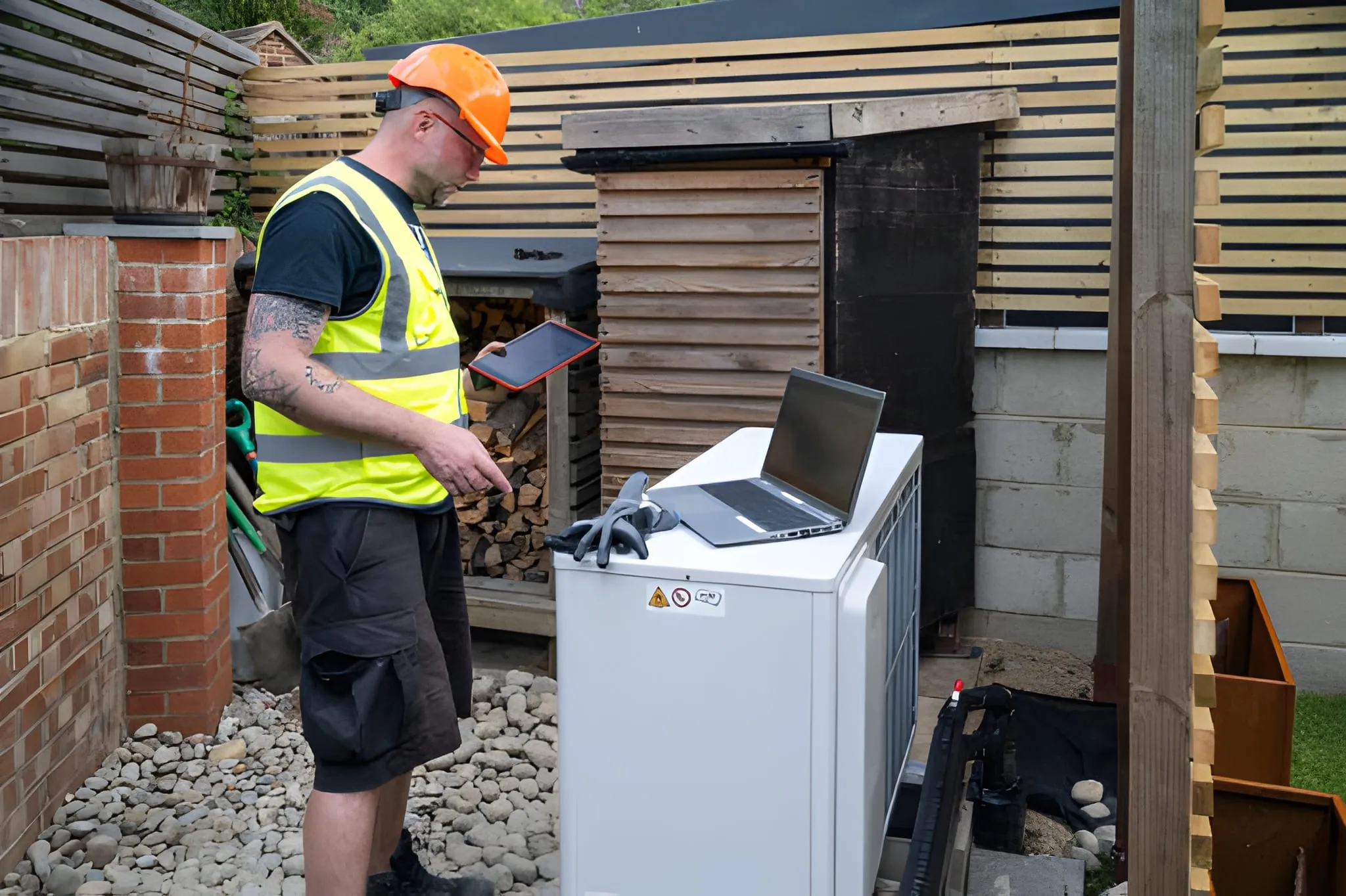
Why routine heat pump maintenance matters in Winter Park homes
Winter Park experiences a humid subtropical climate with hot, humid summers and mild winters. Even when outdoor temperatures drop into the 50s and 60s, many homes rely on heat pump heating cycles. That year round use, combined with seasonal pollen, airborne debris, and summer storms, increases the need for proactive care.
Preventive maintenance:
- Keeps cooling and heating capacity strong when energy demand is highest
- Reduces the risk of emergency failures during heat waves or cold snaps
- Maintains manufacturer warranty requirements in many cases
- Preserves indoor air quality by ensuring filters and coils are clean
- Improves energy efficiency, which lowers utility costs in a high-use climate
Van Eddies Heating & Air Conditioning understands local patterns in Winter Park and tailors tune-ups and inspections to meet those conditions.
Common heat pump systems we service in Winter Park
We maintain the heat pump types most frequently installed in Central Florida homes:
- Split-system heat pumps with an outdoor condenser and indoor air handler
- Ductless mini-split heat pumps for room or zone control
- Packaged heat pump systems on rooftops or in mechanical closets
- High-efficiency heat pumps with variable-speed compressors and inverter technology
Each system type has specific maintenance needs. A ductless mini-split, for example, requires careful indoor unit coil and filter attention, while split systems need both outdoor coil and indoor evaporator coil service.
Seasonal tune-up checklist: what we inspect and service
A thorough seasonal tune-up addresses airflow, refrigerant, electrical, controls, and safety components. Typical items on Van Eddies Heating & Air Conditioning tune-up checklists include:
- Filter inspection and replacement or recommendation for correct MERV rating
- Outdoor condenser coil cleaning and inspection for corrosion or fins damage
- Indoor evaporator coil inspection and cleaning when accessible
- Refrigerant charge verification using temperature and pressure measurements
- Refrigerant leak check with electronic detectors and soap testing
- Compressor performance and amp draw measurement
- Electrical system inspection including contactors, relays, breakers, and wiring
- Capacitor testing and replacement recommendations if outside tolerance
- Defrost cycle and control verification to ensure proper reversing valve and defrost timing
- Thermostat calibration and control response testing
- Blower motor function, motor capacitors, and belt or pulley inspection if applicable
- Airflow measurements and static pressure checks to identify duct restrictions
- Condensate drain inspection and cleaning to prevent backups and microbial growth
- Refrigerant lines insulation and cabinet seals inspection to prevent energy loss
- Safety control checks including high and low pressure cutouts
- Reversing valve operation verification for proper heat and cool modes
- Lubrication of moving parts where applicable
- Ductwork visual inspection for obvious leaks, disconnected ducts, or insulation issues
- Outdoor unit level and clearance checks to avoid blockage and pooling water
- Final operational test across full cycle to verify system performance
A detailed report summarizing observations, measurements, and any recommendations should accompany every tune-up so homeowners understand current system health.
The 21-point tune-up: what that typically includes
Many maintenance programs reference a 21-point tune-up. While exact items can vary, a complete 21-point tune-up generally covers:
- Full visual inspection of indoor and outdoor units
- Air filter replacement or cleaning
- Indoor coil cleaning if needed
- Outdoor coil cleaning and straightening of fins
- Refrigerant charge check and leak detection
- Electrical component inspection and tightening of connections
- Testing of contactors, relays, and capacitors
- Compressor amp draw and voltage readings
- Thermostat calibration and programming check
- Defrost cycle and reversing valve operation
- Blower motor checks and airflow adjustments
- Condensate drain and trap cleaning
- Safety control tests
- Fan motor and blade inspection and cleaning
- Inspection of refrigerant piping and insulation
- Cabinet and access panel security check
- Duct system visual inspection
- System operational testing in both modes
- Energy efficiency assessment and suggestions
- Maintenance record entry and service report
- Recommendations for repairs and parts replacement when needed
A 21-point tune-up is designed to catch both immediate needs and potential future problems, providing Winter Park homeowners confidence in system performance.
How technicians diagnose and troubleshoot during maintenance
A professional maintenance visit is more than a checklist. Technicians use diagnostic steps that combine visual inspection, empirical measurement, and root cause analysis:
- Document system history and recent performance issues if any.
- Perform safety checks before powering the unit.
- Measure electrical values: volts, amps, and continuity to identify failing motors, capacitors, or contacts.
- Check refrigerant pressures and temperatures to calculate superheat and subcooling for proper charge.
- Observe compressor behavior and listen for mechanical noises or abnormal vibration.
- Inspect coils for dirt, corrosion, and physical damage that restrict heat transfer.
- Test blower performance and duct airflow to rule out obstructions or fan inefficiencies.
- Verify thermostat readouts and sensor accuracy.
- Run the unit through cooling and heating cycles, including defrost operation, to detect intermittent faults.
- Use leak detection equipment, dye, or ultraviolet indicators if refrigerant loss is suspected.
- Record findings and recommend corrective repairs or adjustments with explanation of consequences for inaction.
These methods help ensure diagnostics are accurate and repairs address root causes rather than symptoms.
Common heat pump problems in Winter Park and their typical solutions
Understanding common heat pump issues and realistic solutions helps homeowners make informed decisions about repairs and maintenance.
- Low airflow or weak cooling
- Causes: clogged filters, dirty evaporator coil, failing blower motor, duct leaks, closed vents
- Solutions: filter replacement, coil cleaning, blower motor repair or capacitor replacement, duct sealing
- Refrigerant leaks or low refrigerant
- Causes: corrosion, mechanical damage to lines, faulty fittings
- Solutions: locate and repair leak, evacuate and recharge system to correct charge, replace damaged piping where necessary
- Short cycling or frequent on/off cycles
- Causes: incorrect thermostat settings, improper refrigerant charge, blocked airflow, failing control board
- Solutions: thermostat calibration or replacement, airflow restoration, electrical control diagnostics
- Ice buildup on outdoor coil
- Causes: improper defrost cycle, low refrigerant, poor airflow
- Solutions: defrost control repair, refrigerant charging and leak repair, airflow correction
- Noisy operation or unusual sounds
- Causes: loose panels, failing fan bearings, compressor issues, refrigerant flow noise
- Solutions: tighten panels, replace fan bearings or motor, evaluate compressor for mechanical failure
- Electrical failures and tripped breakers
- Causes: bad capacitors, worn contactors, shorted wiring, power spikes during storms
- Solutions: electrical component replacement, wiring repair, surge protection recommendations
- Reversing valve or defrost control failures
- Causes: solenoid issues, control board problems
- Solutions: reversing valve actuation testing and replacement if failed, control board diagnostics and repair
Repair decisions should be informed by system age, efficiency, and the cost-benefit of continued repairs versus replacement. Maintenance helps minimize the frequency of these problems.
Recommended maintenance schedule for Winter Park homes
Because Florida conditions favor heavy cooling use and high humidity, recommended schedules typically include:
- Annual comprehensive tune-up minimum
- Best performed in early spring before peak cooling demand
- Ensures the system is ready for sustained summer operation
- Biannual maintenance for higher reliability
- Spring cooling tune-up and optional fall check before the cooler months to verify heat mode and defrost operation
- Two visits per year are beneficial for systems older than 10 years, units with heavy use, or homes with known issues
- More frequent checks when:
- System is older or has had recent repairs
- Home has pets, smokers, or high indoor pollutant load that clog filters faster
- Local construction, landscaping, or pollen increases airborne debris around the outdoor unit
A maintenance membership plan that schedules these visits automatically can simplify care while preserving system performance.
What a maintenance membership or plan can include
Maintenance plans provide predictable service and better long-term performance. Typical features of a maintenance membership plan include:
- Scheduled visits with reminders timed for seasonal needs
- Two tune-ups per year included in premium plans
- Priority appointment scheduling when members report problems
- Discounts on diagnostic fees and repairs for members
- Record keeping of service history for warranty and resale documentation
- Inspection reports and efficiency recommendations
- Safety-focused inspections to reduce risk of failures during storms or temperature extremes
Memberships are structured to fit different budgets and system needs. They help keep equipment maintained without the homeowner needing to track dates.
What to expect during a maintenance visit
A professional technician from Van Eddies Heating & Air Conditioning typically follows a consistent process:
- Arrival and verification of equipment model and history
- Visual inspection and basic system cleaning
- Filter check and replacement if needed
- Measurement of electrical and refrigerant parameters
- Coil and blower inspection with cleaning if needed
- Calibration of thermostat and controls
- Condensate drain cleaning and verification
- Functional test of full heating and cooling cycles
- Presentation of findings and written service report with recommendations
Most maintenance visits take between 45 minutes and 2 hours depending on system complexity and whether cleaning or repairs are performed.
Local factors affecting heat pump health in Winter Park
- Humidity and moisture: Constant humidity increases risk of corrosion, microbial growth in drain pans, and frequent defrost cycles.
- Pollen season: Central Florida pollen can clog filters and coils quickly, reducing efficiency if filters are not changed regularly.
- Storms and wind-blown debris: Summer thunderstorms and seasonal wind events can damage outdoor fan blades, bend fins, or introduce debris into the unit.
- Salt exposure in nearby coastal areas: If a property is exposed to salt air, corrosion control and protective coatings become more important.
- High seasonal energy costs: Because cooling dominates utility use, even small efficiency gains from maintenance translate to measurable bill savings.
Technicians aware of these local conditions can prioritize inspections and preventative measures accordingly.
Energy, warranty, and environmental considerations
- Efficiency: A well-maintained heat pump operates closer to its rated SEER and HSPF performance, providing lower energy consumption and improved comfort control.
- Warranty compliance: Many manufacturers require documented annual maintenance to maintain warranty coverage. Regular maintenance visits create a clear service record.
- Refrigerant regulations: Technicians handle refrigerant according to federal and state rules. Proper leak repair and charge adjustment reduce environmental impact and avoid regulatory issues.
- Lifecycle value: Preventive maintenance extends useful service life, delaying capital expense for replacement while improving system predictability.
Maintenance is an investment that helps balance near-term operating costs with long-term equipment value.
Signs your heat pump needs attention now
Watch for these common indicators that maintenance or repair is needed:
- Rising energy bills despite unchanged comfort habits
- Reduced airflow from vents or uneven temperature between rooms
- System running longer cycles with little temperature change
- Unusual noises such as rattling, hissing, squealing, or clanking
- Frequent breaker trips or electrical issues
- Ice forming on the outdoor coil or refrigerant lines
- Increased humidity indoors or poor dehumidification
- Odors from vents when system starts or runs
- Visible oil or refrigerant stains near piping connections
Addressing these signs early prevents more extensive and costly repairs later.
How recurring service enrollment typically works
Enrolling in recurring maintenance usually follows a straightforward, documented path designed for convenience and clarity:
- Select a maintenance plan that matches your system type and service frequency
- Provide basic equipment information such as model and installation date so the provider can track warranty needs
- Schedule the initial tune-up to establish a baseline performance record
- Receive reminders and scheduling options for future visits according to the chosen plan
- Each visit includes a documented service report and recommended follow-up if repairs are required
- Membership records are maintained to support warranty claims and to provide continuity if technicians change
A well-run recurring service program minimizes surprises and helps ensure heat pump readiness during Winter Park peak seasons.
Long term benefits of planned maintenance
Consistent, professional maintenance delivers measurable advantages:
- Lower repair frequency and fewer emergency calls during peak demand
- Improved energy efficiency and lower cooling and heating bills
- Steadier indoor comfort and better humidity control
- Longer equipment life and higher resale value for homes
- Compliance with warranty terms and manufacturer recommendations
- Fewer health risks from mold, allergens, and poor ventilation due to clogged coils or drains
Maintenance creates predictability and security for homeowners who rely on heat pumps in Winter Park.
Maintenance Plan
Heat Pump/ AC Tune-Up

Furnace Tune-Up
Customer Testimonials