



Heat Pump Service in Montgomery, TX



Keeping your home comfortable year round in Montgomery, TX means relying on a heat pump that performs efficiently in hot, humid summers and milder winters. Van Eddies Heating & Air Conditioning provides comprehensive heat pump service in Montgomery, TX designed to maximize comfort, extend equipment life, reduce energy costs, and improve indoor air quality.
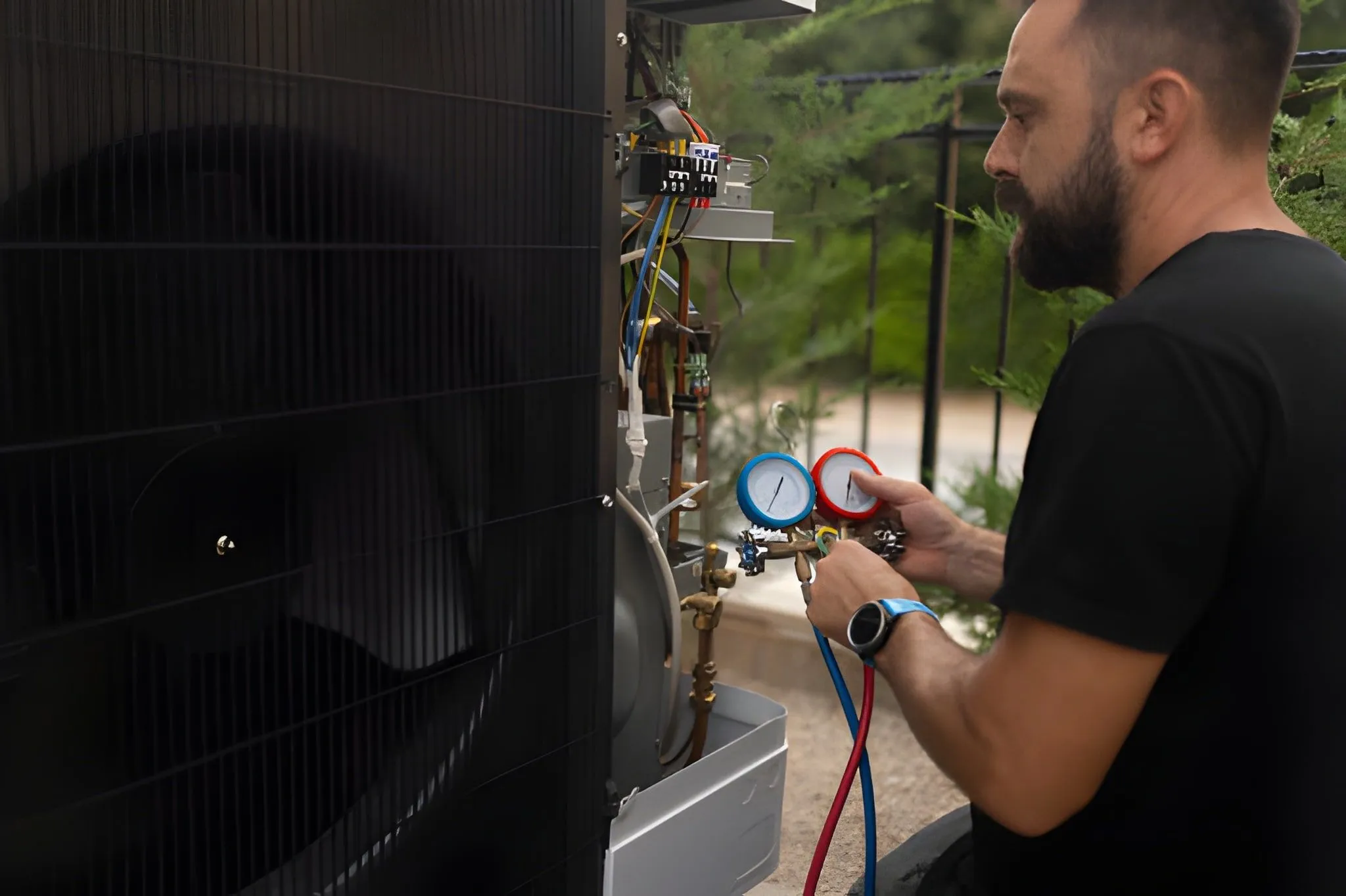
Why professional heat pump service matters in Montgomery, TX
Montgomery sits in Southeast Texas climate conditions that combine high summer temperatures, elevated humidity, and frequent pollen and airborne particulates. Those conditions place unique demands on heat pump systems:
- High humidity makes dehumidification performance important for comfort and to prevent mold growth.
- Hot summer peaks increase runtime and stress on compressors and reversing valves.
- Mild winters still require efficient heating and sometimes supplemental electric heat during cold snaps.
- Coastal air and seasonal storms can accelerate corrosion on outdoor components.
Routine, professional service addresses these regional stressors to keep your system operating reliably and efficiently. Proper heat pump maintenance reduces emergency repairs, improves indoor comfort stability, and preserves manufacturer warranties.
Common heat pump issues in Montgomery, TX
Homeowners in Montgomery typically encounter the following heat pump problems. Recognizing these common issues helps you prioritize professional attention before a minor issue becomes a major failure:
- Reduced cooling or heating capacity: often caused by dirty coils, low refrigerant, or blocked airflow.
- High humidity indoors despite the system running: poor dehumidification due to oversized systems, insufficient runtime, or refrigerant issues.
- Short cycling: frequent on-off cycling that shortens compressor life and raises energy bills, usually from electrical faults, improper thermostat settings, or oversized units.
- Freezing outdoor coil or indoor evaporator coil: caused by refrigerant imbalance, blocked airflow, or faulty defrost control.
- Noisy operation: compressor vibration, refrigerant flow noise, or failing fan motors and bearings.
- Refrigerant leaks or incorrect charge: reduces efficiency and can damage compressors if not corrected.
- Failing reversing valve: impacts the switch between heating and cooling modes.
- Electrical failures: bad capacitors, contactors, or control board problems causing intermittent operation or complete shutdown.
- Ductwork and airflow issues: leaks, poor insulation, or blocked registers leading to uneven temperatures and reduced efficiency.
Types of heat pump services we provide
Van Eddies Heating & Air Conditioning offers a full spectrum of heat pump services tailored for Montgomery homes:
- Heat pump installation and replacement
- Seasonal and preventive maintenance tune ups
- Comprehensive diagnostics and troubleshooting
- Repairs for mechanical, electrical, and refrigerant-related problems
- System optimization for comfort and energy efficiency
- Smart thermostat selection and integration
- Indoor air quality pairings (dehumidifiers, filtration, ventilation)
- Service agreements and membership plans for ongoing care
- Pre-season inspections to prepare for summer or winter loads
Each service is performed with industry best practices, attention to local climate demands, and an emphasis on long-term system performance.
Installation and replacement: getting sizing and design right
A successful heat pump installation begins with proper sizing and system design. In Montgomery, TX the right sized unit balances cooling capacity with dehumidification needs. Oversized systems cool rapidly but run short cycles that reduce humidity removal and increase wear. Undersized units run constantly and cannot meet comfort demands.
Key installation considerations include:
- Load calculation: a Manual J style load estimate to determine the correct capacity for your home, accounting for insulation, windows, attic ventilation, and local climate.
- Duct evaluation and design: assessing leaks, static pressure, and balance to ensure even airflow. Duct sealing and insulating are often recommended to maximize system efficiency.
- Equipment selection: choosing high-efficiency, variable-speed or inverter heat pumps appropriate to your home and budget. Variable-speed compressors and multi-stage blowers improve humidity control and comfort consistency.
- Proper refrigerant charge and airflow calibration: ensuring the system is charged per manufacturer specifications and airflow across coils matches design requirements.
- Correct placement of outdoor unit: allowing adequate clearance for airflow and avoiding direct exposure to salt spray or standing water where possible.
A well-executed installation sets the stage for reliable operation and lower operating costs over the equipment life.
Preventive maintenance and the 21-point tune up
Routine maintenance is the most effective defense against unexpected breakdowns and premature replacement. Typical preventive maintenance actions performed during a tune up include:
- Visual inspection of outdoor and indoor units for corrosion, debris, and signs of wear
- Cleaning condenser and evaporator coils to restore heat transfer efficiency
- Checking and adjusting refrigerant levels; testing for leaks when charge is off
- Inspecting and cleaning condensate drains and pans to prevent clogs and moisture damage
- Testing and verifying correct thermostat operation and temperature calibration
- Lubricating motors and checking fan blades for proper operation
- Inspecting electrical connections, capacitors, contactors, and relays for safety and reliability
- Measuring system pressures and temperatures to verify performance
- Inspecting ductwork for leaks and recommending sealing or insulation where needed
- Replacing or recommending appropriate air filters and assessing filtration upgrades
Regular maintenance not only improves efficiency but also provides an opportunity to catch developing issues early, often avoiding expensive emergency repairs.
Diagnostics and repair: how problems are identified and fixed
When a heat pump shows signs of trouble, a methodical diagnostic approach locates the root cause quickly and accurately:
- Symptom collection: documenting when and how the issue occurs, settings used, and environmental conditions to reproduce the problem.
- System inspection: examining outdoor and indoor units, wiring, and controls for visible faults.
- Motor and compressor testing: verifying electrical inputs, capacitors, and motor windings to isolate failed components.
- Refrigerant diagnostics: checking charge, superheat, and subcooling values to identify leaks or improper charging.
- Flow and airflow checks: measuring static pressure, return and supply temperatures, and verifying proper fan operation.
- Control and thermostat testing: ensuring the thermostat communicates correctly and staging or balance points are set for heat pump operation.
Repairs are prioritized by safety, reliability, and long-term value. Common repairs include leak sealing and recharging, replacing capacitors and contactors, reversing valve replacement, fan motor repair, compressor replacement, and duct sealing.
System optimization for comfort and efficiency
Beyond repairing faults, optimization brings measurable comfort and energy savings:
- Upgrading to variable-speed or inverter-driven compressors reduces energy use and improves humidity control by allowing longer, gentler run cycles.
- Duct balancing and targeted sealing increase delivered airflow to living areas and reduce hot or cold spots.
- Refrigerant charge verification and airflow tuning maximize SEER and HSPF performance.
- Proper thermostat setback programming and heat pump balance point adjustments prevent unnecessary auxiliary heat usage.
- Insulating exposed ducts and updating attic or crawlspace insulation reduces heat transfer and load on the heat pump.
Optimization focuses on matching the system to your home and lifestyle, not just restoring factory baseline performance.
Smart thermostat integration with heat pumps
Smart thermostats add precision control, learning algorithms, and remote access to maximize comfort and efficiency for heat pump systems. Benefits of proper smart thermostat integration include:
- Smarter staging and avoidance of unnecessary auxiliary heat: advanced control logic allows the thermostat to understand heat pump staging and hold off electric strip heat until truly needed, which prevents costly heating cycles.
- Adaptive scheduling: learning patterns reduce runtime while maintaining comfort, especially useful in an area with highly variable daily temperatures like Montgomery.
- Remote diagnostics and performance monitoring: many smart thermostats provide system runtime data and error codes that help technicians diagnose issues faster.
- Zoning compatibility: when paired with zoning systems, smart thermostats improve comfort by directing conditioned air where it is most needed.
- Humidity management: some smart thermostats coordinate with whole-house dehumidifiers or adjust fan operation to improve moisture control.
Proper wiring, configuration, and technician setup are critical to ensure the thermostat communicates correctly with the heat pump and does not inadvertently trigger inefficient backup heat.
Indoor air quality pairings for Montgomery homes
Montgomery households face humidity, pollen, and particulate challenges that compromise comfort and health. Pairing your heat pump with indoor air quality (IAQ) equipment delivers significant benefits:
- Whole-house dehumidifiers: reduce summer humidity to prevent mold growth and improve perceived comfort without excessive cooling.
- Media and HEPA filtration: capture fine particles and allergens that standard filters miss, important during high pollen seasons.
- UV coil purifiers: help prevent microbial growth on the evaporator coil, preserving airflow and reducing odors.
- ERV/HRV systems: controlled ventilation solutions exchange stale indoor air for filtered outdoor air while managing humidity load. These are especially valuable for newer, tightly-sealed homes.
- Ventilation strategies: addressing indoor pollutant sources, range hood ventilation, and bathroom exhausts to prevent moisture and contaminant buildup.
A mixed strategy tailored to your home combines humidity control, filtration, and ventilation to support a healthy indoor environment while preserving heat pump efficiency.
Service agreements and membership benefits
A structured service agreement ensures your heat pump receives regular care tailored to Montgomery’s climate. Typical elements and member benefits commonly included in professional service agreements are:
- Scheduled preventive maintenance visits, typically annual or biannual for heat pump systems
- Priority scheduling for members during peak seasons, such as summer cooling months
- Discounted diagnostic or repair labor rates and reduced parts pricing
- No-charge or reduced-fee service call allowances under certain maintenance plan terms
- System performance reports after each visit, including photos and recommended next steps
- Filter delivery or replacement reminders to maintain airflow and protection
- Documentation to support warranty claims through timely service history
Membership plans are designed to align routine maintenance with the system manufacturers’ recommended service intervals, which helps preserve warranties and lowers total ownership cost.
What to expect during a professional service call
When a technician from Van Eddies Heating & Air Conditioning conducts a service visit in Montgomery, TX, the typical flow includes:
- Arrival and inspection: a visual check of indoor and outdoor equipment, duct openings, and thermostat placement to establish the baseline.
- System startup and performance testing: measuring temperatures, pressures, amp draws, and airflow to quantify system health.
- Component testing and verification: electrical tests, motor function checks, and refrigerant diagnostics as needed.
- Cleaning tasks: coil cleaning, debris removal from outdoor condensers, filter checks, and condensate drain clearing.
- Review of findings: a clear explanation of identified issues, potential causes, and recommended repairs or optimizations.
- Written documentation: a service checklist and performance data so you have a record of equipment condition and any follow-up work needed.
Technicians also flag any safety concerns such as carbon monoxide sources or electrical hazards detected during the inspection.
Homeowner troubleshooting and prevention tips
While many issues require professional attention, homeowners can take simple steps to minimize problems between service visits:
- Replace or check filters monthly during high-use seasons and follow manufacturer recommendations.
- Keep outdoor units free of debris, vegetation, and obstructions that restrict airflow.
- Ensure indoor vents and returns are unobstructed by furniture or blinds.
- Observe and record any unusual noises, odors, or runtime patterns to report during service.
- Maintain consistent thermostat settings to avoid frequent staging and unnecessary auxiliary heat usage.
- Address roof or attic leaks promptly to prevent water damage to ductwork and indoor coils.
These preventive actions improve system reliability and help technicians make targeted repairs when needed.
Warranty and refrigerant considerations
Heat pump repairs and replacements can be affected by warranty terms and refrigerant regulations. In Montgomery, technicians will advise on:
- Manufacturer warranty timelines and the importance of documented routine maintenance to maintain coverage.
- Modern refrigerants and phase-out schedules: some older units use refrigerants no longer manufactured. Repair options may involve retrofits or replacement when refrigerant is discontinued or prohibitively costly.
- Proper documentation: keeping records of service visits and parts replacement streamlines warranty or rebate processes when applicable.
Technicians provide transparent information on when repairs make sense and when replacement offers better long-term value.
Preparing for an estimate or service visit
When requesting an estimate or scheduling a service visit, preparing a few details helps the process go smoothly and ensures an accurate assessment:
- Have the make, model, and age of your heat pump available if possible.
- Note any recent or recurring symptoms: insufficient cooling, high humidity, noises, or irregular cycling.
- Provide information about your home: square footage, recent insulation upgrades, or known duct issues.
- Identify access points: whether attic or crawlspace access is available and where the thermostat is located.
- Decide on your priorities: maximum efficiency, best comfort, or budget-conscious repair.
During an on-site estimate, a technician should perform a load calculation for replacements, inspect ductwork and system components, provide a detailed written estimate with equipment options and projected efficiency gains, and outline expected timelines for work.
Why timely heat pump service saves money and stress
Regular professional maintenance and timely repairs yield tangible benefits:
- Lower utility bills through improved SEER and reduced runtime
- Fewer emergency breakdowns and more predictable equipment life
- Better indoor comfort and humidity control, improving occupant health and mold prevention
- Preservation of manufacturer warranties and higher resale value for the home
- Safer operation through identification of electrical hazards or deteriorating components
Investing in proactive service optimizes performance and reduces the total cost of ownership over the life of the system.
Maintenance Plan
Heat Pump/ AC Tune-Up

Furnace Tune-Up
Customer Testimonials