



Heat Pump Service in Winter Springs, FL



Heat pumps are the backbone of year-round comfort in Winter Springs homes. With long, hot, humid summers and mild winters, a properly tuned heat pump keeps your living space cool, controls indoor humidity, and provides reliable supplemental heat when temperatures dip. Van Eddies Heating & Air Conditioning delivers comprehensive heat pump service in Winter Springs, FL designed to diagnose problems quickly, restore performance, and extend the life of your system while maximizing efficiency and comfort.
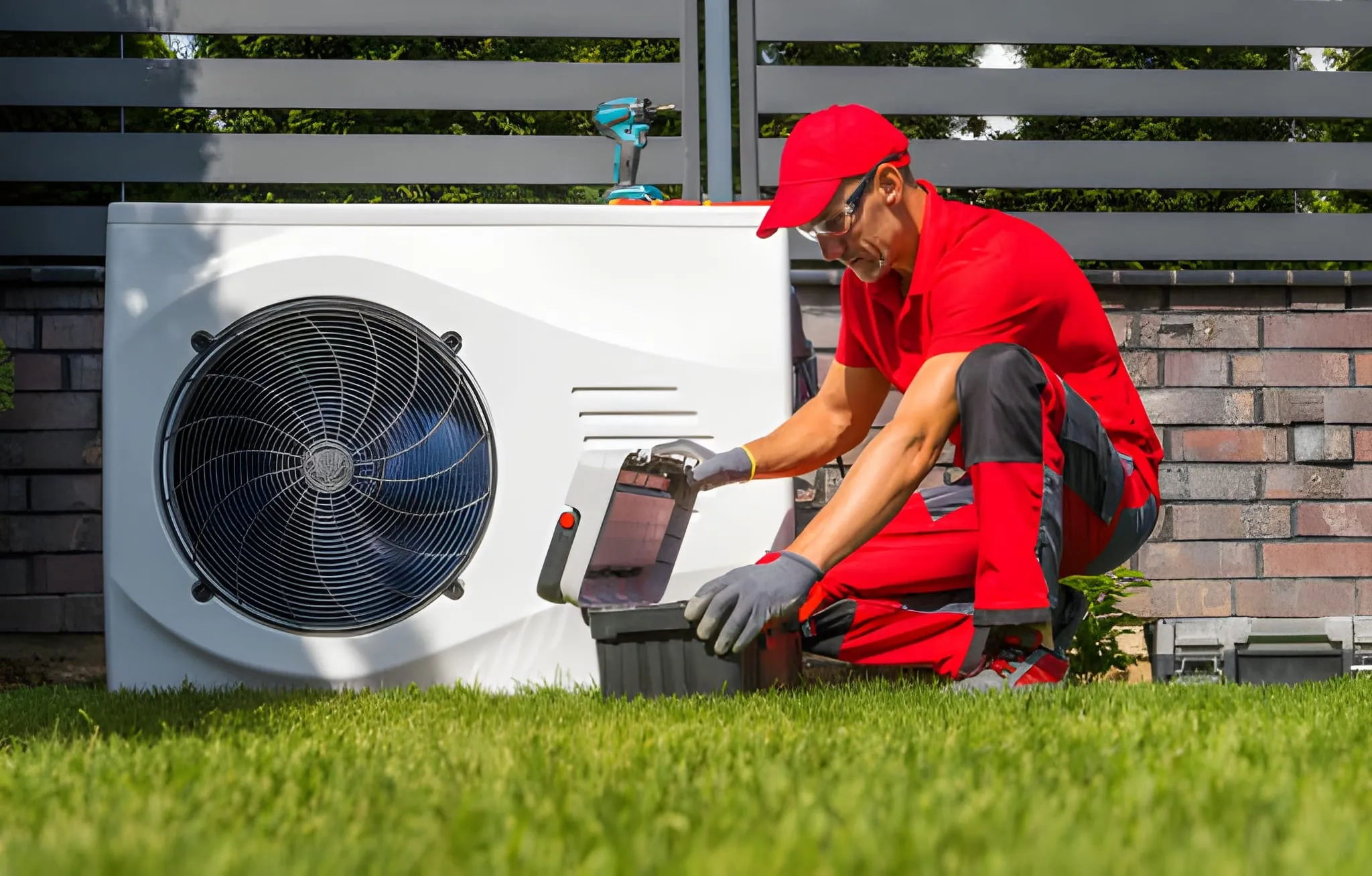
Why this matters: heat pump failures in Summer and early fall can lead to uncomfortable indoor conditions, higher utility bills, and unwanted humidity problems. Whether you are experiencing reduced cooling, odd noises, frequent short cycling, or simply want to avoid a mid-summer breakdown, a thorough, local-focused service plan minimizes risk and improves long-term value.
Comprehensive Heat Pump Services Offered
Van Eddies Heating & Air Conditioning provides a full range of heat pump services specifically tuned to Winter Springs conditions, including:
- Professional inspections and tune-ups (including a detailed 21-point tune-up)
- Advanced diagnostics for airflow, refrigerant, electrical, and controls
- Repairs for compressors, reversing valves, capacitors, contactors, fans, and more
- Routine preventive maintenance to prevent breakdowns and maintain efficiency
- System optimization for humidity control and energy savings
- Thermostat and control integration including smart thermostats and zoning
- Service agreements and planned maintenance programs
- Repair-versus-replace guidance that factors age, refrigerant, efficiency, and local energy trends
Each service is delivered with local insight into Winter Springs weather patterns, common electrical storm impacts, and the specific needs of Seminole County homes.
Common Heat Pump Issues in Winter Springs, FL
Winter Springs homeowners typically report the following heat pump problems, many of which are directly influenced by local climate and usage patterns:
- Reduced cooling capacity during the hottest months due to low refrigerant, dirty coils, or restricted airflow
- Excessive humidity indoors when the system is oversized, operating inefficiently, or when the thermostat settings are not optimized
- Short cycling (frequent on/off cycles) from electrical issues, improper refrigerant charge, or faulty controls
- Strange noises such as buzzing, clanking, or rattling caused by loose components, failing motors, or compressor issues
- Failure to heat on cooler nights because of defective reversing valves, faulty thermostats, or problems with auxiliary heat
- Condensate drain backups and mold growth due to clogged drains, which are more likely in humid climates like Winter Springs
- Corrosion or degraded insulation on outdoor units from frequent rainstorms and humidity, leading to reduced lifespan
Understanding these common patterns helps prioritize inspections and target preventive actions that reduce the likelihood of mid-season failures.
Detailed Inspection and Diagnostic Process
A comprehensive service visit follows a clear, methodical process designed to uncover the root cause quickly and efficiently:
Initial visual inspection
- Inspect outdoor unit for debris, vegetation, and physical damage.
- Check indoor air handler or coil for dirt, mold, and proper drainage.
Electrical and safety checks
- Test fuses, breakers, contactors, capacitors, and wiring for wear or failure.
- Verify safe operation of disconnects and grounding.
Airflow and duct assessment
- Measure return and supply airflow, check filters, and look for duct leaks or blockages.
- Confirm proper blower motor operation and belt condition (if applicable).
Refrigerant system evaluation
- Check refrigerant pressures and temperatures to confirm correct charge and detect leaks.
- Inspect line set insulation and check for oil stains indicating leaks.
Compressor and motor testing
- Monitor start-up currents, run currents, and compressor behavior under load.
Controls and thermostat calibration
- Verify thermostat wiring, programming, and compatibility with heat pump functions (including auxiliary heat and defrost settings).
Defrost and reversing valve function
- Confirm proper defrost cycles and reversing valve operation to ensure reliable heating when needed.
Condensate system check
- Inspect condensate drain, traps, and pan for clogs, algae, or damage.
Performance documentation
- Record temperatures, pressures, amperage, and operational notes to create a service history for future reference.
These diagnostics use standard HVAC tools plus specialized instruments when needed, such as micron gauges for leak detection and combustion analyzers for integrated systems.
Repairs and Typical Solutions
Once the diagnostic work identifies issues, repairs focus on restoring safe, efficient operation. Common repairs and solutions include:
- Refrigerant leak repair and recharge
- Repairing line set leaks, brazing, or replacing components and recharge with the correct refrigerant type. Note that older systems using R22 may require replacement due to limited refrigerant availability and regulatory phase-out.
- Compressor replacement or rehabilitation
- Replacing hard-start kits, capacitors, or the compressor when necessary. Compressor failures often follow electrical stress from storms or capacitor issues.
- Fan motor and blower repairs
- Replacing or lubricating motors, balancing fan blades, and adjusting pulleys to restore proper airflow.
- Electrical component replacement
- Upgrading worn contactors, capacitors, relays, and breakers to prevent short cycling and start-up failures.
- Reversing valve and defrost system fixes
- Servicing or replacing reversing valves and ensuring defrost controls are calibrated for Florida conditions to avoid inefficient cycling.
- Thermostat and control repair or upgrade
- Correcting wiring issues, replacing faulty thermostats, and integrating smart controls to improve comfort and energy management.
- Drain and condensate repairs
- Clearing clogged lines, replacing damaged pans, and installing safety switches to prevent water damage.
All repairs are explained in clear, non-technical language so homeowners understand what was done and why.
System Optimization for Winter Springs Homes
Optimization goes beyond repair. In Winter Springs, optimization focuses on controlling humidity, maintaining comfort during peak heat, and avoiding unnecessary runtime:
- Correct system sizing and load balancing
- Ensuring the unit matches the home load; oversized systems cool quickly but fail to remove humidity effectively.
- Airflow tuning
- Adjusting blower speeds, cleaning coils, and sealing ducts to achieve balanced airflow and even temperatures throughout the house.
- Humidity management
- Configuring heat pump operating parameters and recommending compatible dehumidification solutions to maintain comfortable indoor humidity without overcooling.
- Sequencing and staging
- Implementing proper sequencing between heat pump compressor and auxiliary heat to avoid costly backup heat usage.
- Smart thermostat programming
- Setting schedules and control strategies that reflect local daily temperature swings, reducing runtime during low-demand periods while keeping humidity in check.
Optimization reduces energy use, extends equipment life, and improves day-to-day comfort — particularly important in a climate with long cooling seasons.
Thermostat and Control Integration
Thermostat and control changes can significantly improve efficiency and comfort. Heat pump-specific control strategies include:
- Smart thermostat compatibility
- Ensuring Wi-Fi thermostats are correctly configured for heat pump systems, including settings for heat pump recovery, auxiliary heat control, and defrost management.
- Zoning system integration
- Coordinating dampers and multiple thermostats so each zone receives appropriate cooling or heating without overworking the heat pump.
- Humidity-based control
- Integrating humidistats or smart thermostats that consider humidity when controlling cycles, which is crucial in Winter Springs where humidity often determines comfort.
- Remote monitoring
- Enabling features that allow visibility into system performance trends to spot issues like reduced efficiency before they become breakdowns.
Proper integration prevents common mistakes like misconfigured auxiliary heat or improper setback strategies that can lead to high utility bills.
Service Agreements and Planned Maintenance
Service agreements provide predictability and documented care for your heat pump. Key benefits of planned maintenance tailored for Winter Springs homes include:
- Scheduled inspections aligned with high-demand seasons
- Pre-summer and pre-winter checks catch issues before they become urgent.
- Priority scheduling and documented service history
- A consistent service record makes troubleshooting faster and preserves warranty requirements.
- Preventive maintenance items included
- Filter checks, coil cleanings, electrical tightening, refrigerant checks, and condensate maintenance are included in a comprehensive plan like a 21-point tune-up.
- Customized maintenance intervals
- High-use systems in humid climates often benefit from semi-annual visits; lower-use or newer systems may be serviced annually.
A good service agreement reduces surprise repairs and supports steady performance and efficiency.
Repair Versus Replace: How to Decide
When a heat pump needs attention, homeowners face a choice: repair or replace. Van Eddies Heating & Air Conditioning guides Winter Springs residents through a decision framework that balances comfort, efficiency, and long-term cost:
- System age
- Heat pumps older than 10 to 15 years are more likely to require major repairs and often use older refrigerants. Replacement typically yields significant efficiency gains with modern SEER ratings.
- Refrigerant type
- Units requiring R22 (Freon) are candidates for replacement because R22 production is phased out and future service availability is limited.
- Repair frequency and cost
- Multiple repairs in a short period suggest replacement will be more economical long term. If repair costs approach a substantial fraction of replacement cost, replacement is often the smarter option.
- Efficiency and operating cost
- Newer units with higher SEER and better humidity control can lower monthly utility bills enough to justify replacement in many cases.
- Comfort and functionality needs
- If you need improved humidity control, better zoning, or smart thermostat features, investing in a replacement may deliver the comfort upgrades you want.
- Home plans and longevity
- Consider how long you plan to stay in the home. A replacement can be an investment in resale value and future energy cost savings, while a repair may suffice for short-term ownership.
This guidance is presented in plain language, supported by system measurements and documented options, so homeowners can make informed decisions.
Preventive Maintenance Checklist for Winter Springs Homes
Homeowners can support heat pump longevity by following a local-focused maintenance checklist:
- Replace or clean air filters every 1 to 3 months during high-use seasons.
- Keep clear a 2-3 foot perimeter around the outdoor unit to ensure unobstructed airflow.
- Inspect condensate drain and pan quarterly for blockages and microbial growth.
- Check thermostat settings seasonally for correct heat pump configuration and timing.
- Schedule a professional inspection before the start of peak cooling season and again before cooler months if you use the heat function regularly.
- Monitor energy use for sudden spikes that could indicate declining efficiency or a failing component.
- Look for hard-start sounds, unusual odors, or visible oil stains around line sets that may signal refrigerant leaks.
Regular homeowner attention reduces service costs and improves reliability.
What to Expect During a Professional Heat Pump Service Visit
A professional service visit is structured to be efficient and thorough. Typical steps include:
- Arrival and safety briefing describing the planned checks.
- Visual and mechanical inspection of both indoor and outdoor equipment.
- Performance testing under operating conditions with recorded readings.
- Minor adjustments and cleaning (filter change, coil wipe-down, drain clearing).
- Identification and documentation of any needed repairs, including clear explanation of causes and benefits of repair versus replacement.
- Recommendations for system optimization or upgrades if applicable.
- Delivery of a service report that details findings, work completed, and suggested next steps.
Documentation allows homeowners to track system health over years and provides proof of maintenance for warranty or resale purposes.
Benefits of Timely Heat Pump Service
Consistent, professional care delivers measurable benefits for Winter Springs homes:
- Improved comfort with better temperature stability and humidity control.
- Lower utility bills through optimized efficiency and proper refrigerant charge.
- Increased equipment lifespan by preventing premature component failure.
- Fewer emergency breakdowns during peak heat or humidity.
- Preserved warranty coverage through documented maintenance.
- Better indoor air quality by keeping coils and drains clean and filters maintained.
Van Eddies Heating & Air Conditioning emphasizes long-term value through proactive service that aligns with local climate demands.
Maintenance Plan
Heat Pump/ AC Tune-Up

Furnace Tune-Up
Customer Testimonials